


 Log In

LAST UPDATED
Jul 29, 2026
READ TIME
14 min
LAST UPDATED
Jul 29, 2026
READ TIME
14 min
White-sand beaches may catch your eye first, but some of the Caribbean’s most memorable moments begin when a sea turtle rises beside your snorkel mask or a flamingo adds a flash of pink to a saltwater lagoon. Coral reefs pulse with color, mangroves shelter slow-moving manatees and rainforest canopies echo with birds you may not hear anywhere else. In fact, the Caribbean is one of the most biodiverse regions in the Atlantic, and the variety is part of what makes every stop feel special.
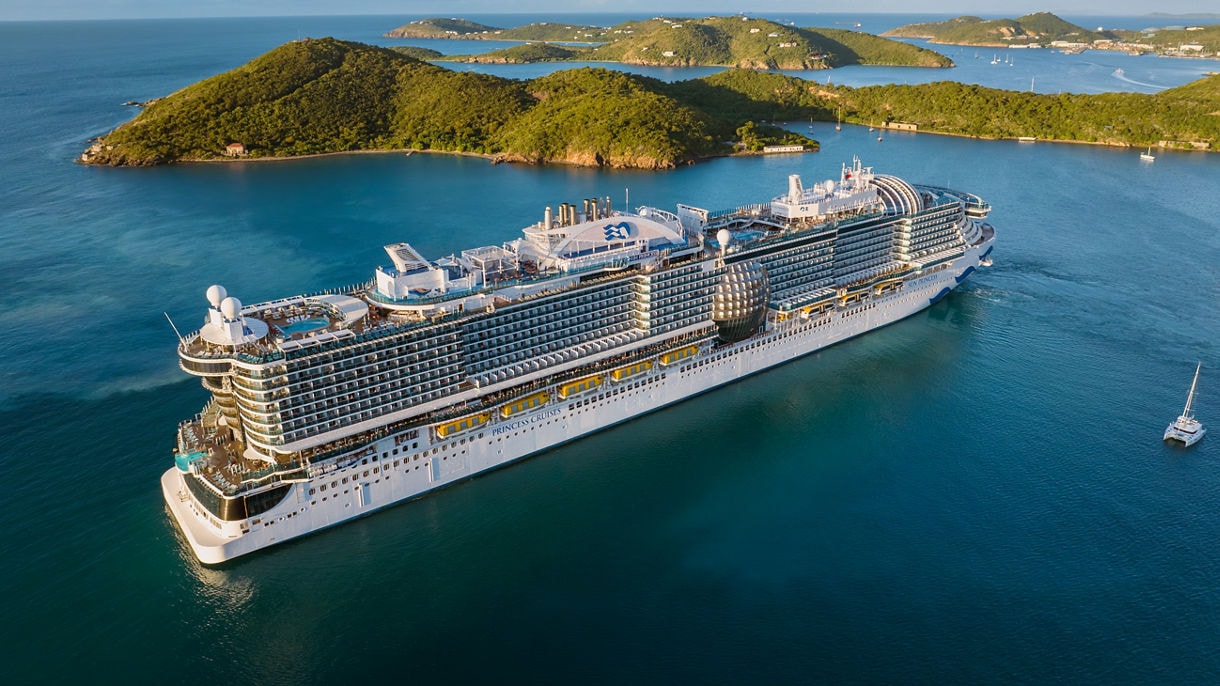
A Princess Cruises® Caribbean itinerary brings multiple habitats within reach on a single trip. In ports such as Barbados, Belize City, St. Thomas and Bonaire, you can choose shore excursions designed around reefs, rivers, wetlands and coastal habitats. You might snorkel with sea turtles one day, look for manatees from a riverboat the next and still return on board with time to share the story over dinner.
Key takeaways
-
Princess Caribbean itineraries visit ports where wildlife encounters can fit comfortably into a port day, from turtle snorkeling in Barbados and St. Thomas to river safaris in Belize.
-
Princess shore excursions connect guests with reefs, mangroves, lagoons and coastal habitats while local guides handle transportation, timing and orientation.
-
The right itinerary helps you focus on the wildlife that interests you most, whether that means reef species in the Eastern Caribbean, jungle and river habitats in the Western Caribbean or flamingos and marine life in the Southern Caribbean.
Why the Caribbean is a wildlife lover’s paradise
Coral reefs, mangroves, rainforests and coastal lagoons sit close to many Caribbean ports, which means wildlife encounters are always a possibility. Some sightings happen casually, like birds along the shore or iguanas basking near rocky paths. Others are made possible thanks to Princess shore excursions, such as guided eco-adventures, snorkeling trips or wetland tours,bringing you closer to the habitats where these animals live.
A biodiversity hotspot in the Atlantic
Warm, shallow waters support extensive coral reef systems filled with life. More than a thousand fish species move through Caribbean reefs, joined by sea turtles, rays and reef sharks that rely on the same environment.
On land, you get a mix of birds, reptiles and limited land mammals adapted to island conditions. Because these habitats sit relatively close together, one itinerary can include several types of wildlife experiences in a single cruise.
Endemic and rare species
Island isolation has shaped animals in the Caribbean in fascinating ways. Over time, some species evolved in highly specific environments, which is how rare animals like solenodons and island iguanas came to exist. Many of these species are endangered, so sightings carry a different kind of weight. Even a brief encounter, like spotting an iguana along a sun-warmed shoreline or hearing a forest frog call after dark, can feel memorable when that animal’s range is so limited.
10 fascinating Caribbean animals you might encounter on a Princess cruise
Many of these Caribbean animals make their homes near ports Princess visits, with several found in habitats reachable through Princess shore excursions. Wildlife sightings are never guaranteed, but choosing the right port and experience can give you an opportunity to meet these creatures where they’re most comfortable.
1. Green sea turtle
The Green sea turtle is one of the most recognizable Caribbean animals, often spotted gliding through calm, shallow waters. They tend to gather in seagrass beds and coral reef areas, where they feed and surface regularly for air. Princess guests might encounter these graceful reptiles near ports such as Barbados, St. Thomas and Curaçao. The Five Star Sail, Turtle Encounter & Lunch excursion in Barbados and the Turtle Cove Catamaran Sail & Snorkel excursions in St. Thomas pairs time in the water with transportation planned around the ship’s port call.

2. Caribbean reef shark
Sleek and fast-moving, the Caribbean reef shark is a common presence along reef drop-offs. While their reputation might sound intimidating, they play a key role in maintaining the health of reef ecosystems by keeping prey populations balanced. Certified divers have the strongest chance of encountering one on deeper reef excursions in destinations such as Belize, Bonaire and Cozumel. Snorkelers are more likely to see rays, turtles and reef fish closer to the surface. So, if you happen to catch sight of a reef shark, think of it as an unexpected bonus.

3. West Indian manatee
The West Indian manatee moves at its own pace through warm coastal waters, often found in mangroves and estuaries. These gentle marine mammals are known for their slow, drifting movements and frequent visits to shallow areas where they feed on seagrass.
For Princess guests, Belize City provides one of the more practical opportunities to look for them. On the Lamanai Mayan Ruins, River Boat Safari with Lunch, you travel along a jungle-lined waterway where guides watch for manatees, crocodiles and other wildlife before continuing to the Lamanai archaeological site. The encounter is location-sensitive and sightings remain a matter of timing, but the river journey makes the search part of a Belize experience.

4. Bottlenose dolphin
Few wildlife encounters feel as lively as spotting a pod of bottlenose dolphins swimming alongside a boat. Known for their playful behavior, they often surface in groups, sometimes riding the wake of passing ships. Sightings may also occur during excursions, especially in open water between islands.
Watch for free-ranging bottlenose dolphins on Cozumel’s Sunset Catamaran Sail excursion, where bottlenose and spinner dolphins can sometimes be seen playing in the boat’s wake. Guests seeking a more structured experience can book spots on a Dolphin Swim or Cozumel’s Dolphin True Connection Experience & Lunch, both of which include guided interaction with dolphins in a managed setting.

5. Caribbean flamingo
The vibrant pink of the Caribbean flamingo stands out against shallow lagoons and salt flats. These birds are often seen wading in groups, filtering water for food as they move through coastal wetlands. Bonaire offers one of the most practical Princess port-day opportunities to look for them. The Rincon Village, Goto Lake & Scenic Drive excursion passes Goto Lake, where flamingos may be visible along the shoreline.


Start your Caribbean adventure
6. Roatán iguana
Iguanas move among the tropical foliage at Gumbalimba Preservation Nature Park, where Princess guests may also encounter colorful macaws and playful monkeys. If you make port in Roatan, the Best of Roatan: Gumbalimba Preservation Nature Park & Scenic Drive gives you time to explore the park and learn more about the island’s wildlife. You can also pair the nature park with time near the water on Gumbalimba Preservation Nature Park & Tabyana Beach excursion. Wildlife sightings vary, but sometimes these iguanas can be spotted throughout the park.

7. Scarlet ibis
Bright red against green wetlands, the Scarlet ibis is one of the most striking birds in the Caribbean. Princess guests calling at Trinidad can look for it on the Caroni Bird Sanctuary shore excursion. A flat-bottom boat carries you through mangrove-lined waterways while a naturalist guide points out scarlet ibis, herons, ospreys and other sanctuary residents. Trinidad appears only on select Princess Southern Caribbean itineraries, so this encounter requires choosing a sailing that specifically calls in Port of Spain. Early morning or late afternoon tends to be the best time to catch them in motion.

8. Coquí frog
Small but unmistakable, the Coquí is known more for its sound than its size. Found primarily in Puerto Rico, this tiny frog produces a distinctive nighttime call that fills the surrounding forest. Even if you don’t spot one directly, hearing that rhythmic chirp is part of the experience.
Princess guests visiting San Juan can explore the coquí frog’s rainforest habitat on the El Yunque National Rainforest Scenic Drive. The excursion visits La Coca Falls and scenic overlooks surrounded by dense tropical vegetation. Learn about the rainforest and the animals that reside there adds another layer to Puerto Rico’s sense of place — even when the frog prefers to keep to itself.

9. Queen angelfish
Few reef fish match the color of the Queen angelfish, with its electric blue and yellow pattern standing out against coral backdrops. These fish are common in snorkeling areas, often moving slowly around reef structures. Bonaire, Belize City and St. Thomas offer practical reef access during a port day. On Bonaire, the Glass-Bottom Boat Eco-Cruise & Bonaire Marine Park With Naturalist lets you look into the protected marine park without entering the water, while snorkeling excursions bring you closer to the reef.

10. Spotted eagle ray
Spotted eagle rays move through Caribbean water with an ease that can make the whole reef seem to slow down. Their broad, wing-like fins and patterned backs make them easy to distinguish when visibility is clear. Princess guests may look for rays on reef excursions from Belize, Bonaire, St. Thomas and Curaçao. The Shipwreck and Turtle Coves Two Site Snorkel in St. Thomas includes snorkeling areas frequented by turtles, rays and tropical fish, making this a top option for a potential encounter.

Where to see Caribbean animals by region
Wildlife experiences vary from one Caribbean region to the next, and Princess itineraries make it easier to choose the habitats that interest you most. Some routes lean toward marine life, while others open the door to forests, wetlands or dry island ecosystems.
Eastern Caribbean: Coral reefs & marine life
The Eastern Caribbean is known for clear water and accessible reef systems. This is why it’s one of the best regions for spotting sea turtles, reef fish and even the occasional shark along drop-offs. Calm bays and protected marine parks create ideal conditions for snorkeling, with vibrant coral just a short distance from shore. It’s a strong fit for travelers focused on underwater wildlife.
Western Caribbean: Jungles & coastal wildlife
In the Western Caribbean, the landscape becomes dense vegetation and coastal ecosystems that support a wider mix of land and marine species. Mangroves, rainforests and river systems introduce opportunities to spot reptiles, birds and even monkeys on guided eco-tours. Coastal areas still offer snorkeling and marine life, but the real difference here is the access to inland habitats.
Southern Caribbean: Unique island species
The Southern Caribbean stands out for its mix of dry landscapes, salt flats and protected wetlands that attract rare and visually striking species. Flamingos, coastal birds and region-specific reptiles are more common here, especially in areas with limited development. These islands tend to feel more remote, which adds to the appeal for wildlife-focused travel. Exploring the Southern Caribbean often means encountering species that don’t appear as frequently elsewhere in the region.
Best ways to experience Caribbean wildlife
Seeing Caribbean animals comes down to how you explore. Some experiences put you right into the habitat, while others let wildlife come to you with very little effort.
Snorkeling and diving
Reefs are where the Caribbean feels most alive, and snorkeling gives you immediate access without needing advanced experience. You’ll often find angelfish, sea turtles and schools of tropical fish moving through coral formations just below the surface. Dive sites go deeper, where reef sharks and larger marine life are more common. Many of the region’s best spots are highlighted in guides to the best beaches in the Caribbean, where clear water and reef access come together.
Snorkeling and diving excursions through Princess range from beginner-friendly catamaran sails to certified diving experiences. In Belize, Snorkeling Wonders of the Barrier Reef visits Rendezvous Caye, while Bonaire’s Sailing Catamaran Bonaire Marine Park, Swim & Snorkel brings guests into the island’s protected waters where wildlife sightings are more common.
Wildlife excursions and eco-tours
Guided excursions open up habitats that are harder to navigate on your own. Mangrove tunnels, protected wetlands and inland forests are often home to birds, reptiles and quieter species that don’t appear along busy shorelines. Local guides tend to know where to look and when to go, which can turn a quick outing into a much more productive wildlife experience.
The Airboat Wetland & Mangrove Cruise and City Drive in Belize combines a narrated city drive with time in a wetland and mangrove environment. Along the way, local guides help you look for birds, reptiles and other wildlife that thrive in these coastal habitats.
Coastal and beach exploration
Not every wildlife encounter requires a tour. Walk along a quiet stretch of coastline and you might spot iguanas resting on rocks, seabirds moving through the shallows or fish gathering near the edge of a reef. Early morning and late afternoon are usually the most active times, especially in areas with less foot traffic.
On the Princess Cays Coastal Cruise, you’ll travel aboard the 40-foot Reef Princess along Eleuthera’s shoreline, with opportunities to watch for tropical birds and marine life.
When to see Caribbean animals
Wildlife in the Caribbean changes throughout the year, but there’s always something to see no matter when you travel. A little bit of well-planned timing can go a long way.
Seasonal wildlife highlights
Some of the most memorable sightings depend on timing. Sea turtle nesting seasons vary by island, but late spring through summer is a common window to see activity along protected beaches. Planning around these moments can add a more defined wildlife focus to your trip.
Year-round wildlife opportunities
Even outside of peak seasons, many Caribbean animals are easy to spot throughout the year. Reef fish, sea turtles, dolphins and coastal birds remain active across most islands, and are even more accessible in areas with healthy marine habitats. Clear water and warm conditions make wildlife viewing consistent, which is why timing often comes down to personal preference. Ultimately, the best time for a Caribbean cruise depends on what you want to experience.
How Princess makes Caribbean wildlife easier to experience
Seeing Caribbean animals gets a lot easier when you’re not locked into one destination. A Princess Cruises® itinerary moves through multiple islands, which means you’re not choosing between reefs, wetlands or coastal habitats. Guests can experience a remarkable variety of habitats and wildlife while enjoying a seamless journey between destinations.
Shore excursions add structure when you want it. Guided tours can take you into mangroves, marine reserves or forested areas where wildlife tends to be more active, and local guides know where to look so you don’t have to. There are also plenty of sightings that happen without a full itinerary.
What really moves the needle is how manageable it all feels. You’re covering more ground without constantly packing, planning or figuring out logistics between stops. That leaves more space to actually notice what’s around you, which is usually when the best wildlife moments happen.
How to choose the right Caribbean wildlife experience
A little planning goes a long way here. The best experience usually comes down to matching your itinerary with what you actually want to see and how you prefer to explore.
- Choose based on your interests: If marine life is the priority, focus on Eastern Caribbean routes where reefs, sea turtles and tropical fish are easy to access. For more variety on land, Western Caribbean itineraries bring in jungles, birds and reptiles. If rare or region-specific species are the goal, Southern Caribbean islands tend to deliver.
- Consider travel style: Families often lean toward easy-access beaches and shorter excursions with built-in wildlife moments. Couples may prefer quieter, scenic experiences like lagoon tours or coastal walks. If you’re more hands-on, look for itineraries with diving, snorkeling or eco-tours that go deeper into each habitat.
- Think about timing: Certain wildlife moments are seasonal, like humpback whale migrations in winter or sea turtle nesting periods in warmer months. If one of those is on your list, it’s worth planning around it.
Browse itineraries from our Caribbean cruises to compare routes and see which destinations line up with the wildlife experiences you’re after.
Caribbean animals and wildlife FAQs


