
 Log In

LAST UPDATED
Sep 16, 2026
READ TIME
8 min
LAST UPDATED
Sep 16, 2026
READ TIME
8 min
Arrive in Cobh, and a short trip inland brings you into Cork, where the first thing you notice is the color: shopfronts painted in mustard yellow, teal and rust red, stacked along streets that climb and dip with the contours of the River Lee. Church bells drift over the rooftops. Somewhere below street level, under the glass-and-iron roof of a Victorian market hall, fishmongers are calling out the morning's catch.
Cork city is built across an island in the river, which gives its old center a compact, walkable shape that rewards wandering more than any checklist ever could. But beautiful Cork, Ireland is bigger than its city center alone. County Cork stretches from this tidy urban core out to a wild, wind-scoured coastline in the west, and down to Cobh, the harbor town where the Titanic took on her final passengers in 1912.
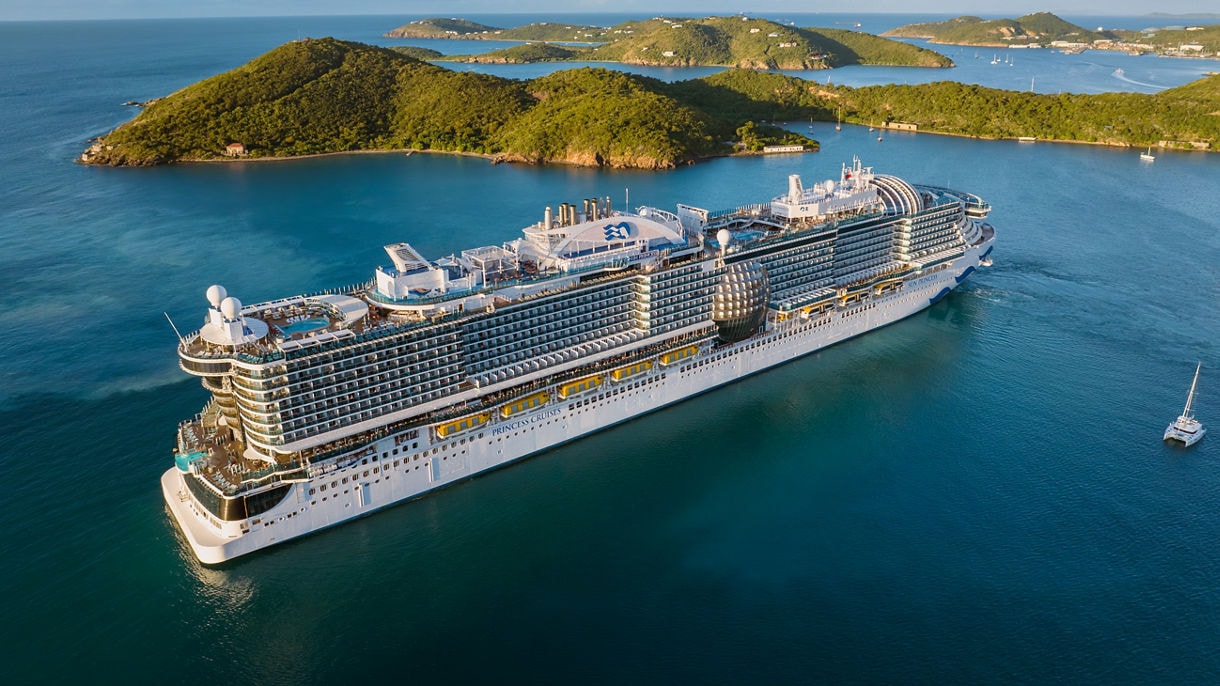
When you set sail to Ireland with Princess Cruises, you can see the wonders of Cork for yourself, including Cork itself, Blarney Castle, Kinsale and Cobh. Cruises to Cork are the perfect way to see the Emerald Isle and surround yourself with rolling green hills and colorful houses. Read on to learn more about the must-do activities and the best sites this port has to offer.
Key takeaways
-
Cork city is compact and walkable, built on an island in the River Lee, with the historic English Market at its center
-
West Cork's coastline and Cobh's Titanic history are both reachable on Princess® shore excursions
-
Guests with a longer day ashore can also reach Killarney's lakes and mountains from this port
Cork city – walkable and full of character
The English Market sits at the heart of Cork's food scene and has since 1788, which makes it one of the oldest continuously operating covered markets in Europe. Step inside and you will find butchers, fishmongers and produce stalls arranged under a soaring Victorian roof, the air thick with the smell of fresh bread and brined olives. It is a working market first and a tourist stop second, and that is exactly what makes it worth visiting.
Uphill from the market, in the Shandon district, St Anne's Church has a trick up its sleeve: visitors can climb the tower and actually ring the bells themselves, choosing a tune from a laminated songbook and pulling the ropes in sequence. The bells have rung out over Cork since the 1700s, and hearing your own attempt at "Danny Boy" echo across the rooftops is a strange, delightful way to spend 20 minutes.
Back at street level, St Patrick Street runs as the main shopping thoroughfare through the compact core, curving gently along the old riverbank and lined with everything from department stores to small independent shops. For a quieter option, the University College Cork campus offers a scenic walk apart from the bustle, its historic stone buildings and quadrangles set right along the water. It is an easy detour for anyone who wants a slower pace between market stalls and shopping streets.

West Cork's wild coastline and rebel history
West Cork, Ireland trades the city's tight streets for open coastline and rolling hills, and a day spent out here feels like an entirely different trip. Join a West Cork excursion and drive west through Clonakilty, a colorful market town and the birthplace of Irish independence leader Michael Collins. Once there, you’ll have time to explore and slow down with a coffee among brightly painted storefronts.
Further along, Bantry offers a free-time stop set against its own working harbor, boats bobbing at anchor below a backdrop of green hills. The day often closes at Gougane Barra Forest Park, one of Ireland's oldest forest parks, tucked into the Shehy Mountains around a still lake said to be the source of the River Lee. It is one of those places that looks almost too tidy to be real, all dark water and pine forest folded into the hillside.
Cork has long carried the nickname the "Rebel County," a name tied to its history of independent thinking and to figures like Collins himself. Spending a day in West Cork is as much about soaking up that streak of independence as it is about the scenery.


Ready to explore Cork with Princess?
Kinsale and Blarney Castle
The Princess excursion begins in Kinsale (on some sailings, Youghal), a picturesque harbor town where colorful buildings line the water and narrow streets invite a slow stroll. It is an easy spot for independent time, whether that means a coffee, a browse through small shops or simply sitting by the harbor before rejoining the coach.
From there, the day continues with a brief driving tour of Cork city and a stop for lunch, before arriving at Blarney Castle, whose medieval towers and sprawling grounds rank among the country's most recognizable historic sites. Whether or not you climb up to kiss the famous stone, the castle's battlements and the gardens below are worth the visit on their own. Though, if you want the "gift of gab," you'll need to climb to the top of the castle and bend over backwards between two battlements (don't worry; there are bars to hold onto and an attendant to help you).

Cobh and the Titanic's final port of call
Cobh, pronounced "cove," stands as one of Ireland's most historically significant harbor towns and holds a particularly weighty distinction: it was the last port of call for RMS Titanic before she sailed into the Atlantic on April 11, 1912. Walking the harbor today, you can still see the old White Star and Cunard Line office buildings standing where they always have, quiet reminders of the town's place in maritime history.
Rising above the harbor, St. Colman's Cathedral serves as the visual centerpiece of the town, its neo-Gothic spire and ornate stonework visible from nearly every angle of the waterfront. When you visit this quaint town with Princess, this excursion involves a guided walk around the harbor itself, tracing the route that connects these landmarks, so it suits guests who are comfortable on their feet for a stretch of the afternoon.

Killarney, a bit further afield
For guests with a longer day ashore, Killarney sits a bit further out and is known locally as part of "The Kingdom," a nod to the dramatic scenery that surrounds it. Reaching it makes for a fuller day than a typical Cork city outing, but the payoff is considerable. The best way to reach Killarney is with a Princess excursion, that way you can enjoy the scenery without worrying about logistics.
The scenic coach journey usually includes a stop in Kenmare for free time among its colorful streets, before continuing through sweeping views inside Killarney National Park. A photo stop at Muckross House, a grand 19th-century mansion set against the lakes and mountains, rounds out the visit (guests who want to see the interior can do so at their own cost during free time). This is best thought of as a longer, further-afield option rather than a core Cork city highlight, worth choosing on days when you have extra time to spend ashore.

Practical tips before you go
Cork Airport sits a short distance from the city, which makes it convenient for guests who plan to extend their stay before or after the cruise. Because West Cork, Blarney, Cobh and Killarney are spread out across the county, booking a Princess shore excursion is the most seamless way to see them without arranging independent transport on a limited timeframe.
Weather in this part of Ireland tends to be fickle, so always pack layers and a rain jacket, no matter the season.
Browse the full lineup of Cork (Cobh) shore excursions to plan your day, or take a look at Things to do in Cork, Ireland for more ideas before you sail.
Conclusion
From the covered stalls of the English Market to the cliffs of West Cork and the quiet weight of Cobh's harbor, beautiful Cork, Ireland brings together city character, coastal scenery and maritime history in a single port call. It is the kind of stop that rewards both a quick city walk and a full day further afield, and it fits naturally into the wider story of a European itinerary.
Ready to see it for yourself? Book a European Cruise and add Cork to your next voyage.
FAQs


