


 Log In

LAST UPDATED
Jul 20, 2026
READ TIME
10 min
LAST UPDATED
Jul 20, 2026
READ TIME
10 min
Spring in Alaska features thawing, regenerating landscapes, returning wildlife and longer daylight hours after the lengthy subarctic winter. Cruise guests who journey during the spring in Alaska often find it an invigorating, renewing experience perfectly spaced between the frigid quiet of winter and the busier summer cruise season. In this article we’ll go over the regions, wildlife, weather and cultural events that make spring in Alaska so special, and provide insights on how to plan your ideal cruise.
Key takeaways
-
Spring in Alaska runs roughly March through May, with conditions shifting quickly depending on region, elevation and latitude.
-
Wildlife emerges, daylight gains five to seven minutes per day and shoulder-season cruises offer fewer visitors at popular locations.
-
Princess Cruises sailings begin in early May, making spring potentially the ideal time to experience Alaska before the peak summer season.
What spring looks like in Alaska
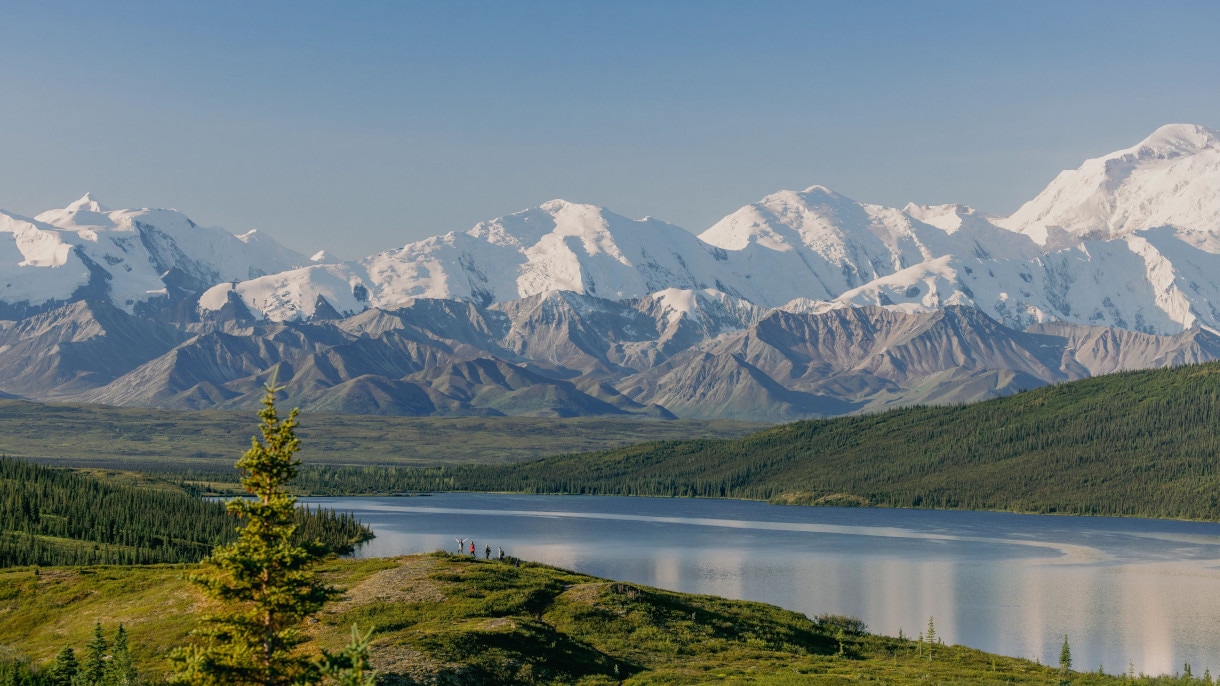
An Alaska spring includes a dramatic “breakup season” where frozen rivers, inlets, bays and lakes crack apart, snow melts and mud takes over before the widespread green-up in later spring. Alaska’s coastlines and interior landscapes shift from white to brown to green over a matter of weeks, depending on latitude and elevation. Cruise guests can experience a wide variety of views even in a single day, from the deep blue-greens and turquoise-whites of ice-filled ocean bays to the rich browns and fresh bright greens of sprouting grasses and foliage along coastlines and inlets.
The sun returns to the area in dramatic fashion as well, with Alaska’s daylight hours increasing by five to seven minutes each day across the state. Spring cruises to Alaska span the transition between winter recreation and full summer cruise season, blending many of the most desirable elements of both.

Spring across Alaska’s regions
Alaska is by far the largest U.S. state, covering about 663,300 square miles, or roughly one-fifth the size of the contiguous United States. As another perspective, Alaska is more than double the size of Texas, and in fact is larger than California, Texas and Montana combined. As you would expect from such a broad and varied regional landscape, spring arrives at different times depending on where in Alaska you find yourself.
Southeast Alaska
This region experiences the mildest springtime in the state, typically marked with frequent rain, fog and early wildflowers sprouting along the Inside Passage’s coastline, islands and inlets. Cruise ports like Juneau, Ketchikan and Skagway typically begin reopening in early May, and this region contains many of the most beautiful places in Alaska. Temperatures here are usually warmer than more northern latitudes in Alaska, with daily highs around the mid to upper 50s by mid May.

Southcentral Alaska
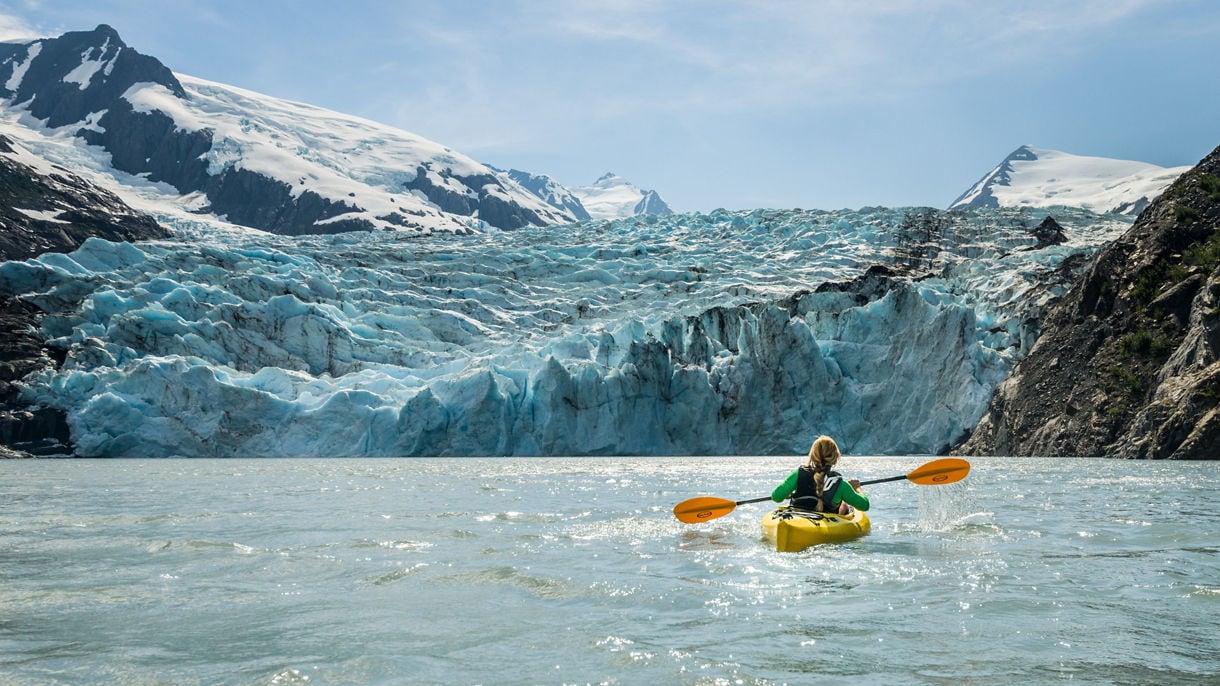
As the snow and ice melts around Anchorage and the Kenai Peninsula, it reveals the region’s hiking trails, mudflats and nesting grounds for returning shorebirds. Alaska’s glaciers stay active and are accessible by ship, rail and smaller water vessels like tour boats and sea kayaks, depending on the glacier.


Start your Alaska adventure
Interior Alaska
Fairbanks is higher in elevation and latitude than Southeast or Southcentral Alaska, and typically holds on to winter longer. Snow on the ground can linger into April or even mid-May, depending on the year. The nearby rivers freeze over the winter and break up dramatically in spring, and this is often celebrated through local traditions and festivals. As another bonus, at this latitude the northern lights (aurora borealis) are often still visible into mid-to-late April.

Arctic Alaska
Spring is brief and still quite cold above the Arctic Circle, with sea ice still present along the coasts as the days begin lengthening toward the 24-hour daylight (“midnight sun”) summer months.

Wildlife to watch for during spring in Alaska
Alaska’s wildlife is one of its primary draws for travelers, and the awakening of spring provides ample opportunity for viewing various animals. Brown and black bears start emerging from hibernation as early as late March depending on weather and food supply, and are often seen along coastal areas foraging for spring food.
Moose cows give birth to calves in late spring, with sightings common near roadsides, marshes and rivers. Caribou and Dall sheep (in specific areas) become more visible as snow recedes from higher elevations. Migratory birds return to Alaska in large numbers in the spring, including sandhill cranes, snow geese and bald eagles, along with 90 other species of marine and migratory birds common along the coastlines. Humpback and gray whales begin their migration north, with early sightings possible along the Inside Passage during April and May.

Weather and what to pack for Alaska in spring
Alaska in spring experiences unpredictable transitional weather, with daytime high temperatures ranging from the 30s in March into the 50s and even 60s by May, depending on region. Late-season snowstorms are common, especially in interior and arctic zones. Visitors to the area are wise to dress in layers that allow weather protection and maximum versatility. This includes waterproof outerwear, insulated mid-layers, sturdy (ideally waterproof) boots and warm accessories such as mid-weight gloves, insulated hats and light scarves.
Be sure to prioritize the use of good sunglasses, sunscreen and UV-protective clothing, as sunlight reflecting off water and remaining snow can amplify exposure during the lengthening daylight hours.
Top things to do during spring in Alaska
Let’s go over some options for spring events and activities for visitors to Alaska. Some of these are included for general information and visitors to more inland locations, and others are ideal for cruise passengers to Alaska.
Watch the Iditarod sled dog race or ceremonial parade
One of the most famous Alaskan events is the annual Iditarod race, which starts in Anchorage in early March, and ends in Nome. The race covers close to 1,000 miles and takes about 8 to 15 days for competitors to complete.
For visitors and spectators, there are two opportunities to engage with the event and participants: the ceremonial start and parade, and the official restart. The ceremonial start in Anchorage is a festive, non-competitive 11-mile parade where sled-dog mushers and their dog teams run through the streets of downtown Anchorage. Visitors and fans can get up close to the dogs, meet the racers and even pay to ride in the sleds (these ceremonial passengers are known as “Idita-riders”). The ceremonial start is traditionally held on the first Saturday in March.
The real start of the race (the Official Restart) typically happens the Sunday after the ceremonial start, and takes place about 70 miles north of Anchorage in Willow, Alaska. This is where the official race timing and standings begin. Unlike the more party-like atmosphere in Anchorage, the Willow restart is serious and business-focused as mushers hit the true wilderness trail. Both events are open to spectators.

Take part in the Nenana Ice Classic
The Nenana Ice Classic is a signature event in interior Alaska, a century-old traditional guessing game where participants attempt to predict when the river ice will break up on the Tanana River. The Ice Classic began in Nenana in 1917, when a group of engineers surveying for the Alaska Railroad bet $800 putting in their guesses when the river would break up. The tradition caught on and has been continued for over 100 years. You can visit and join in the festivities without purchasing a ticket, but if you buy and turn in your $3.00 ticket between February 1st and April 5th you’ll have a chance to win the jackpot (2026’s prize was around $144,000).

See the last of the northern lights
If you’ve never seen the aurora borealis, you’ll probably be astounded at their beauty and color variations. These vibrant, dancing ribbons of purples, blues and greens are caused by charged particles from the Sun colliding with Earth’s magnetic field and gases in the upper atmosphere. March and early April still offer dark enough skies in Fairbanks and the interior for aurora viewing.

Cruise scenic ports with fewer visitors
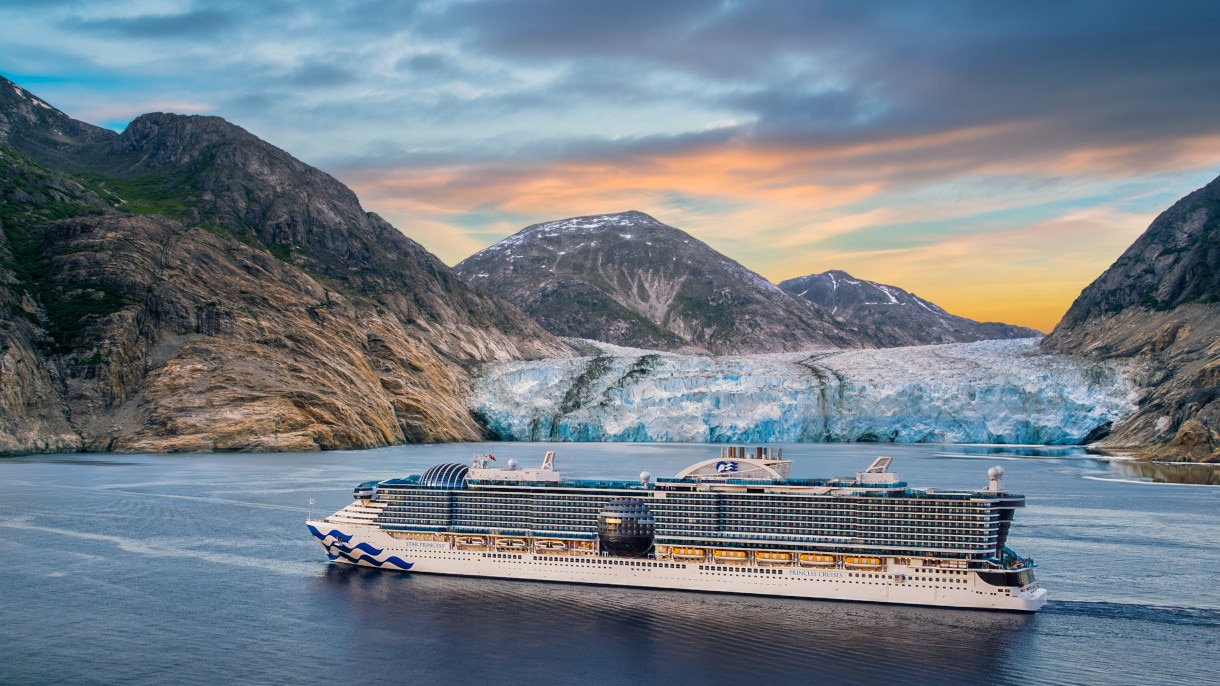
Early-May cruise sailings visit Alaska’s ports before peak-season volume, leaving more room at popular viewpoints, shops, restaurants and activities. Glacier viewing is an annual highlight throughout spring for cruise guests, and the more exclusive feel of earlier visits combines with some of the area’s most spectacular vistas to make the experience truly memorable.

Take advantage of extended daylight
By mid-May, southern Alaska sees 16+ hours of daylight, opening up time for excursions and onboard scenic cruising. The sun comes up in the very early morning (around 3:30 AM) and sets past 9:00 PM. These longer evenings extend hiking, kayaking and wildlife viewing windows for visitors to the area.

Planning your spring Alaska cruise
Spring is considered the “shoulder season” for Alaska cruises, with typically lower fares, fewer visitors and more flexibility on excursions. Local attractions, restaurants and shops may also offer discounts or other incentives for early cruisers. Be aware that some inland attractions and smaller tour operators may not open until late May, so it’s wise to confirm availability before traveling. The best way to confirm that an activity will be available is to book a curated excursion via Princess Cruises.
Spring in Alaska has unique appeal, and well-planned cruise itineraries can result in memories that last a lifetime. Read our companion articles to learn the nuances between a spring Alaska cruise and peak summer season or end-of-season sailings.
Plan your ideal cruise to Alaska
Princess is the authority on Alaska cruises, with sailings starting in early May. Explore Alaska cruises and find the perfect one for you.
Spring in Alaska FAQs


