
 Log In

LAST UPDATED
Jul 13, 2026
READ TIME
12 min
LAST UPDATED
Jul 13, 2026
READ TIME
12 min
Bonaire, a special island municipality of the Netherlands, sits at the southern edge of the Caribbean off the coast of Venezuela. The island is known for its clear water and an unusual coastline comprising dramatic limestone terraces, coarse pink sands and extensive coral reefs that begin just a few feet offshore. Bonaire beaches range from soft sand coves to coral rubble shorelines, each shaped by the island’s geology and protected marine park status.
In this guide, we’ll cover the top Bonaire beaches, let you know what to expect from the terrain, the best places to snorkel and dive and provide information on how to plan and experience an effortless shore day.
Key Takeaways
-
Bonaire’s beaches mix soft sand, coral rubble and ironshore limestone, with calm leeward water on the west and rougher windward conditions on the east.
-
Noted beaches on Bonaire include Te Amo, Pink Beach, Sorobon, 1000 Steps and the uninhabited island of Klein Bonaire.
-
The entire coastline is protected as a national marine park, so reef-safe sunscreen and a Nature Fee tag are required for water activities.
How visitors experience Bonaire on a cruise stop
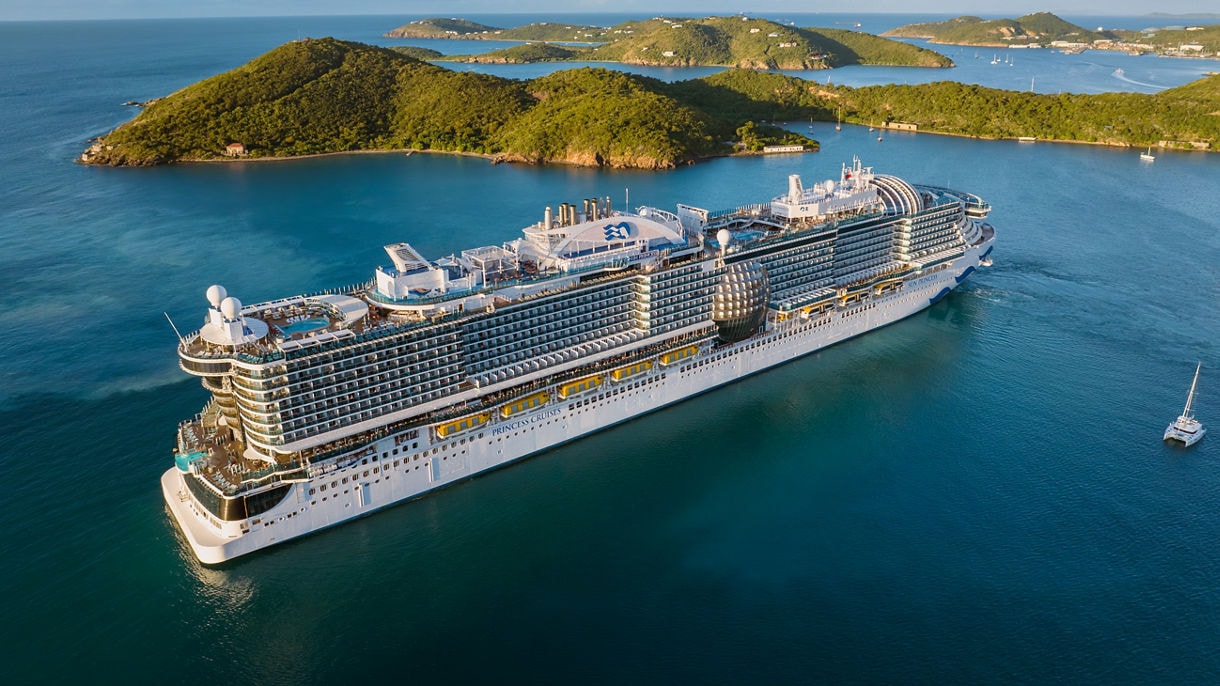
Princess ships dock at Kralendijk on the calm leeward (west) coast of Bonaire, within minutes of several beaches ideal for swimming and snorkeling. This leeward side of the island offers calmer, protected water, easy reef access and most of the island’s soft sand stretches.
By contrast, the windward (east) coast is rugged and wind-carved, with dramatic scenery, limestone “ironshore” formations and limited swimming access.
What makes Bonaire’s beach landscape unique
Unlike many other Caribbean islands featuring long stretches of soft, white sand beaches, Bonaire’s coast is largely coral rubble and ocean-carved ironshore, the eroded limestone terraces created by ancient reef formations.
As Bonaire’s soft sand stretches are limited compared to other Caribbean islands, each sandy cove has its own character and feels special. Additionally, coral reefs sit unusually close to shore, often within 30 feet of the waterline, for spectacular snorkeling, swimming and diving opportunities. Even across short distances, sections of pink-tinted, coarser sand contrast with occasional white sand pockets and palm-lined coves for a truly unique Caribbean island experience.
The best beaches in Bonaire to find your perfect shore day
Let’s go over some top choices for beach visits while you’re visiting Bonaire.
1. Te Amo Beach for effortless cruise day access
Located just south of the cruise pier, Te Amo Beach is a short taxi ride from the cruise pier. It may be walkable for some guests (depending on ability) but a taxi makes for effortless access. Te Amo is noted for its soft sand entry, shaded palapas (the Caribbean’s open-sided beach huts topped with a thatched roof made of dried palm leaves) and calm water for swimming and snorkeling. Te Amo also features popular food trucks where you can sample local delicacies. This beach is popular for first-time visitors or Princess guests with limited shore time.
For a more premium experience, consider a curated Princess excursion to the Bonaire Beach Club.

2. Pink Beach for photo-worthy coastline
Pink Beach is named for the pale pink tint of its sand, created by crushed coral and seashell fragments. It’s a quieter beach on the Southern coast of Bonaire, and features impressive, open ocean views. Note that there are limited facilities and shade on Pink Beach, so guests should be sure to bring or arrange for sun protection and other essentials. Booking a Princess Bonaire Highlights and Beach excursion will provide a relaxed half-day adventure including a tour of local salt flats and Bonaire’s first lighthouse.

3. Sorobon Beach for shallow, protected water
Sorobon Beach is located on Lac Bay on the southeast side of the island, and features a wide, shallow turquoise lagoon ideal for wading and beginner water sports. This beach is a top destination worldwide for windsurfing and kiteboarding instruction.

4. 1000 Steps for shore diving and snorkeling
Despite the name, the limestone staircase that descends to this small sandy beach entry on the northwest coast only has about 64 steps. Still, this beach is best suited for active cruise guests who are comfortable with navigating stairs and uneven terrain.
A reef wall begins within yards of shore, drawing intermediate snorkelers and shore divers the world over.

5. Klein Bonaire for an uninhabited island beach day
Klein Bonaire (“little Bonaire”) is a small uninhabited island reached by water taxi from Kralendijk. This island features white sand, calm clear water and an uncrowded reef just offshore. Note that there are no buildings, vendors or shade here, so visitors should prioritize bringing water and sun protection.
The best way to experience Klein Bonaire is with a curated Princess Water Taxi Beach Break and Swim excursion.


Start your Bonaire adventure
Shore diving, snorkeling and wind sports
On Bonaire, yellow stones along the leeward coast mark formal dive and snorkel sites accessible directly from shore. The reef typically begins 10 to 30 feet from the waterline, with marked entry points between rocky sections to make it simple to find the best way through.
Lac Bay’s steady trade winds and shallow water make it one of the top windsurfing destinations in the world. Equipment rental, lessons and storage are also available at Sorobon for windsurfing and kiteboarding.
Or better yet, make it effortless with a Princess curated Sail and Snorkel Expedition.
Bonaire National Marine Park rules and conservation
The island’s entire coastline and surrounding waters are protected as Bonaire National Marine Park. Anyone entering the water must purchase a Nature Fee tag, valid for one calendar year. Reef-safe sunscreen is required to protect coral health, and remember, touching coral, standing on reefs or removing shells or marine life is prohibited.
Planning your Bonaire beach day
Most beaches are reachable by rental car, taxi or (better yet) organized excursions from the cruise port. Wearing water shoes will help on rocky or coral entries, especially at 1000 Steps and Pink Beach. Bring reef-safe sunscreen, plenty of water and your own shade on beaches where palapas and other shade are limited.
If you’re the type of traveler who likes to plan things yourself, you’ll enjoy our article about the top things to do in Bonaire. For a more bespoke, elevated experience, consider booking one or more of Princess Cruises’ curated excursions.
Plan your cruise to Bonaire
A Princess cruise to Bonaire pairs elevated, active discovery with easy access to the island’s best beaches. Explore available Caribbean cruises and find your ideal trip.
Bonaire beaches FAQs


