


 Log In

LAST UPDATED
Jun 03, 2026
READ TIME
10 min
LAST UPDATED
Jun 03, 2026
READ TIME
10 min
Glacier Bay National Park covers a massive stretch of Alaska’s coastline, and even more incredibly, that massive landscape has changed quickly. In just a few centuries, glaciers have carved, retreated and reshaped the entire bay, leaving behind a mix of ice, water and newly formed ecosystems. Today, it’s one of the best places to see glaciers up close while also spotting wildlife in the same stretch of water, which is why it’s become a highlight for travelers looking to experience Alaska in a single stop.
Key takeaways
-
Glacier Bay is a rapidly changing natural wonder shaped by dramatic glacier retreat and rich wildlife ecosystems.
-
The park offers one of the most immersive ways to experience Alaska’s glaciers, marine life and untouched wilderness.
-
Visiting by cruise provides a comfortable, scenic way to explore remote areas that are otherwise difficult to access.
Why Glacier Bay National Park is a must-see destination right now
In Glacier Bay National Park, glaciers continue to shift and retreat, which means the scenery changes over time in ways you can actually see. Massive ice formations, newly exposed shoreline and evolving ecosystems all exist within the same stretch of water.
More and more travelers are prioritizing remote, nature-first destinations that feel less developed and more intact. Glacier Bay fits that exactly, especially since most of the park is only accessible by water or air. Visiting by cruise simplifies the experience so that you can access areas that would otherwise be difficult to reach while still offering clear views of glaciers and wildlife along the way.
What is Glacier Bay National Park known for? A quick overview
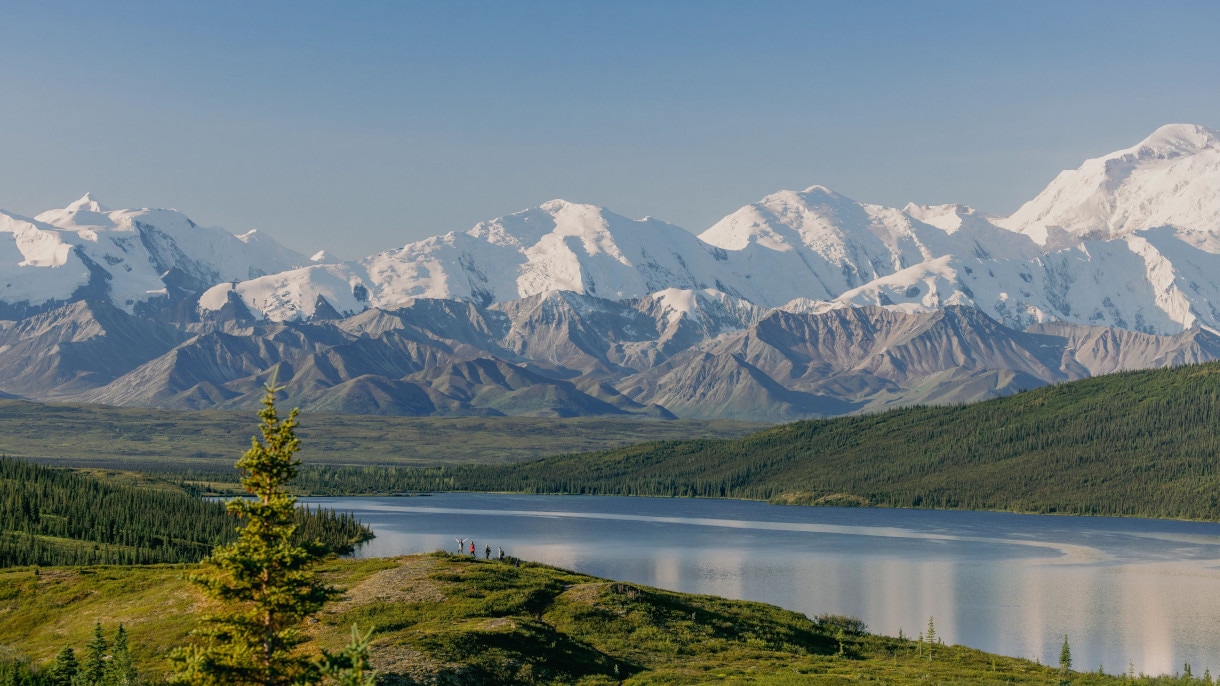
Glacier Bay National Park is best known for its massive glaciers, active ice movement and the way the landscape continues to evolve over time. The park spans more than 3.2 million acres, making it larger than the state of Connecticut, with a mix of fjords, coastlines and newly exposed land shaped by retreating ice.
It’s also recognized as a UNESCO World Heritage Site, valued for both its natural beauty and the way scientists study how ecosystems rebuild after glaciers recede. Visitors come for the scale of the ice, but also for the chance to see marine life, birds and coastal wildlife in the same environment.

1. The entire bay was once covered in ice
Around 250 years ago, a single massive glacier filled the entire bay. Since then, it has retreated more than 60 miles, exposing the waterways and landscapes visitors see today.
2. Glacier Bay is home to over 1,000 glaciers
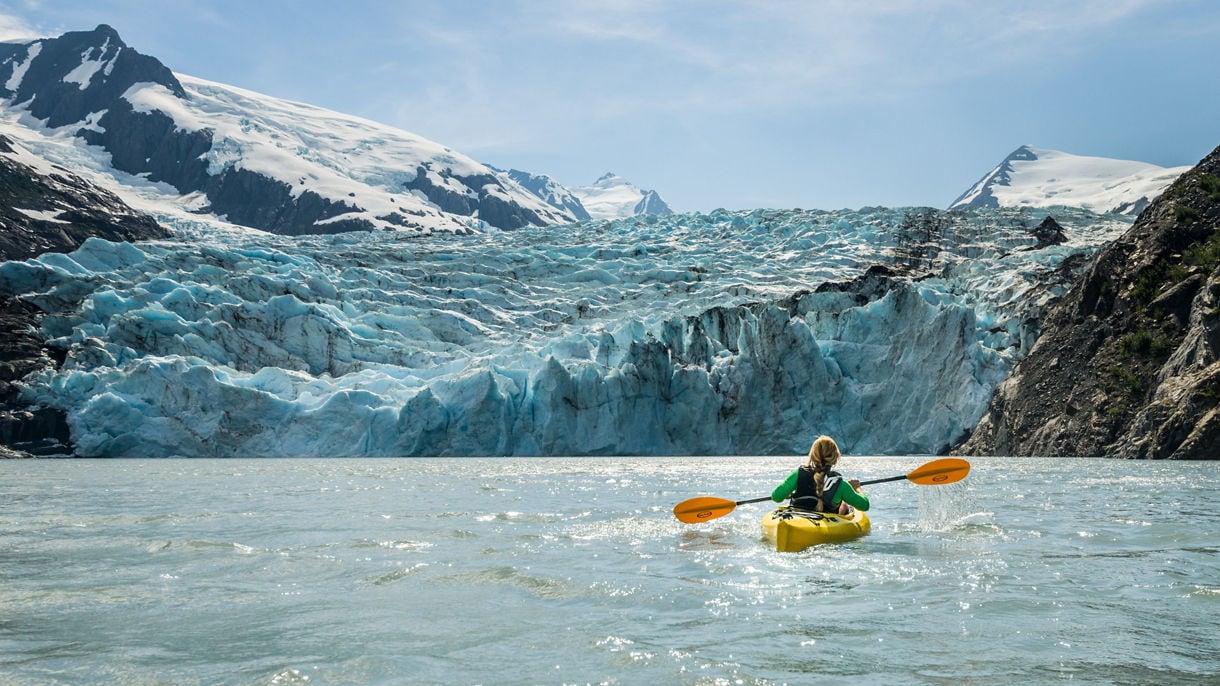
The park contains more than 1,000 glaciers, including several tidewater glaciers that still reach the ocean and regularly break apart into the water.
3. You can witness glaciers “calving”
Calving happens when large chunks of ice break off and fall into the water. It’s often loud enough to echo across the bay, followed by waves moving away from the glacier.


Start your Alaska adventure
4. The ice can appear bright blue
Glacial ice often looks blue because it absorbs most colors of light except blue. The denser the ice, the more vivid the color appears, especially in fresh breaks.
5. The park is bigger than Connecticut
Glacier Bay covers more than 3 million acres of protected land and water, making it larger than the entire state of Connecticut.
6. Wildlife is everywhere
If you want to explore animals in Alaska, Glacier Bay is a great option. Humpback whales, sea otters, harbor seals and bald eagles are commonly seen throughout the park.

7. It’s a living laboratory for scientists
Researchers study how plants and animals return to areas where glaciers have retreated, making Glacier Bay one of the best places to observe ecosystem recovery in real time.
8. Some glaciers are still advancing
While most glaciers are shrinking, a few in the park remain stable or continue to grow, depending on local conditions like snowfall and temperature.
9. You can hear ice “fizz”
When glacial ice melts in the water, it releases ancient air bubbles trapped for centuries, creating a faint crackling or fizzing sound.
10. The land is still rising
As glaciers retreat, the weight on the land decreases, causing it to slowly rise in a process known as post-glacial rebound.
11. It’s home to rare “blue” bears
Glacier Bay is part of the range of the rare blue or “glacier” bear, a color variation of the black bear with a grayish-blue coat.

12. There are no roads into the park
There are no roads leading into Glacier Bay, which helps preserve its remote feel. Most visitors arrive by boat or small aircraft.
13. A record-breaking tsunami happened nearby
In nearby Lituya Bay, a landslide triggered a wave that reached 1,720 feet high, one of the tallest ever recorded.
14. Glacier Bay has deep cultural roots
The area is the ancestral homeland of the Huna Tlingit people, who have lived in and around the region for generations.
15. It’s one of the best places to see glaciers up close
Few places offer this level of access to tidewater glaciers from the water, especially compared to other Alaska glaciers that visitors might explore.

What it’s like to experience Glacier Bay on a cruise
Seeing Glacier Bay from the water gives you a stunning view.
Scenic cruising through ice-filled waters
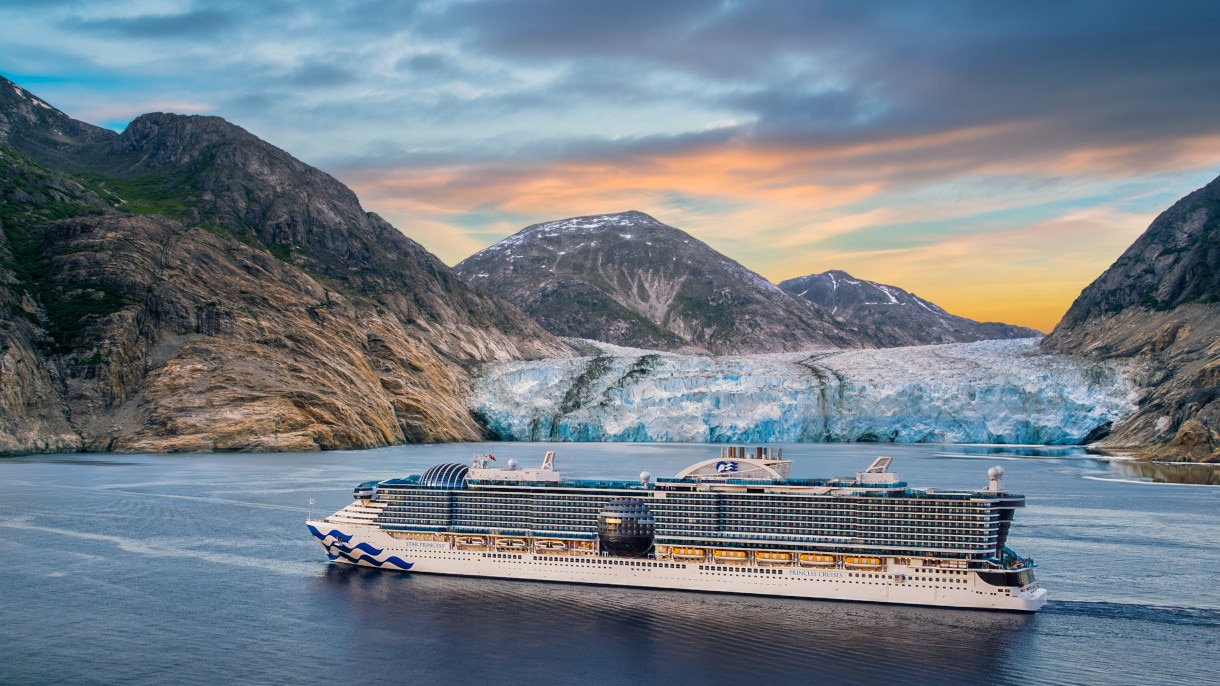
Ships move slowly through the bay, passing glaciers, floating ice and steep fjords. You can watch the terrain change as you travel deeper into the park without needing to move between viewpoints.
Wildlife spotting from the deck
It’s common to see humpback whales surfacing, harbor seals resting on ice and bald eagles along the shoreline. Being on deck gives you a clear vantage point without needing to search for specific locations.
Ranger-led insights and education
National Park rangers often come aboard to share context about the glaciers, wildlife and history of the area. Their commentary helps explain what you’re seeing as you move through the bay.
A relaxing way to explore remote Alaska
Because there are no roads into the park, visiting by ship removes the need to plan transportation. You can take in the scenery at your own pace while still reaching areas that would otherwise be difficult to access, including those highlighted on glacier-bay-national-park itineraries.
What sets Princess Cruises apart for visiting Glacier Bay
Glacier Bay is remote by design, which makes how you get there and experience it just as important as the destination itself. Traveling aboard Princess shapes that experience in a way that keeps the focus on the beautiful scenery instead of travel logistics.
- Curated Alaska itineraries: Princess itineraries are built to spend meaningful time in Glacier Bay, with routes that prioritize glacier viewing and wildlife-rich areas.
- Seamless travel experience: Transportation, onboard accommodations and dining are handled together, which simplifies visiting a place with no road access.
- Immersive destination access: Sailings bring guests close to active tidewater glaciers and areas where wildlife sightings are more common.
- Comfort between viewing points: You can watch glaciers from open decks or indoor lounges, then return to a consistent onboard space as the ship moves through the bay.
Plan your Glacier Bay experience
Glacier Bay doesn’t take much planning once you’re there, but choosing the right timing and itinerary makes a difference.
The best window to visit runs from May through September, when conditions are clearer and wildlife is more active. When comparing options, look for itineraries that spend time inside Glacier Bay rather than passing by, since that’s what gives you the full experience. Prioritize glacier viewing time and opportunities to be on deck, since that’s where most of the action happens.
If Glacier Bay is high on your list, it helps to focus on sailings designed around it. Explore Alaska cruises that visit Glacier Bay and find itineraries that make the most of time in the park.
Glacier Bay National Park FAQs


