


 Log In

LAST UPDATED
Jul 21, 2025
READ TIME
14 min
LAST UPDATED
Jul 21, 2025
READ TIME
14 min
1. St. Maarten

Split between Dutch and French influences, St. Maarten provides culinary flair and boutique shopping. Its coastline is equally multifaceted, home to vibrant reefs, coral shelves and sandy coves that make it a top pick for snorkeling excursions.
Creole Rock
A short boat ride from the Dutch side of the island, Creole Rock is part of the St. Maarten Nature Reserve — and one of the best snorkeling sites in the region. This rocky outcrop rises from shallow, calm waters that make it especially friendly for beginners and families. Because it’s protected, the reef is alive with color and motion. In addition to innumerable tropical fish, it’s not uncommon to see dolphins cruising through the deeper channels just beyond the reef.
Mullet Bay
Despite the name, Mullet Bay is all party and no business. Located on the island’s western shore, it’s one of St. Maarten’s most popular beaches. Some of the best snorkeling in the Caribbean happens where the reef hugs the shoreline. Just stay close to the coast and keep an eye on the current — occasionally, Atlantic storms can whip up some chop. Usually, though, the water here is as clear as a sea jelly, especially in the morning. Pufferfish and lionfish are regular visitors, and (if you’re lucky) you might meet an octopus out for an eight-tentacled stroll along the seabed.
2. Princess Cays, Eleuthera, Bahamas

This exclusive Princess port on the southern tip of Eleuthera is what snorkeling dreams are made of. Princess Cays is a half-mile of pristine beach and crystal-clear waters — perfect for slipping on a snorkel mask and discovering a world teeming with life. And the best part? You don’t need to travel far to find the fish; the reef begins just offshore.
Step right into the water from the beach and you’ll quickly find yourself gliding over patches of elkhorn coral where juvenile barracuda, schools of butterflyfish and the occasional stingray like to hang out. The shallow, sandy-bottomed areas are ideal for casual snorkelers, especially if you're trying the sport for the first time. Prefer a deeper dive? Book an offshore reef excursion to explore coral gardens farther out.
Love marine life but hate getting wet? A glass-bottom boat tour is a best-of-both-worlds opportunity to explore the reef without dipping a toe. Now that’s what we call ‘accessible.’
3. Cozumel

Cozumel is one of those places where the snorkeling is just as legendary as the food — and that’s saying something. Just off Mexico’s Yucatán Peninsula, this island paradise is edged by the Mesoamerican Barrier Reef System — the second largest reef system in the world. That means there's no shortage of spots to dive in and explore. Plus, with its mix of shallow reefs and dramatic coral walls, Cozumel draws both snorkeling newbies and scuba enthusiasts from around the world.
Palancar Reef
Ask anyone who’s snorkeled in Cozumel and they’ll probably bring up Palancar Reef. Located on the southwestern side of the island, this reef is part of a protected marine park and is regularly listed among the best Caribbean diving spots. But it’s not just for Scuba enthusiasts — snorkelers can enjoy incredible views too. You’ll float over sponges in eye-popping colors, forests of purple sea fans and gently swaying soft corals. Sea turtles are a common sight here, along with rainbow wrasse and angelfish. The reef stretches more than 3.5 explorable miles.
Columbia Reef
South of Palancar lies Columbia Reef, known for its exceptional visibility and steady, slow-moving current. The reef supports a wide array of sea life — from eagle rays showing off their sub-surface gliding techniques to nocturnal nurse sharks catching a nap beneath coral overhangs. Underwater photographers love this reef for its mix of bright colors, dramatic formations and relative tranquility.
4. Antigua

With 365 beaches, Antigua is like a page-a-day calendar for sun and sand. And beyond the golden shoreline lies a whole other world beneath the waves. Antigua’s surrounding waters are home to vibrant coral reefs and an astonishing variety of marine life. Whether you’re a first-time snorkeler or a practiced pro, there’s something here for you.
Cades Reef
Cades Reef is part of a designated underwater park, stretching approximately 2 miles along Antigua’s southwestern coast. It’s a bit offshore, which is why most guests hop on a guided boat tour to get there (easier, faster and with the bonus of a local guide to point out what’s swimming by). And trust us, there’s plenty to see. Expect to glide past parrotfish with their signature beak-like mouths, trumpetfish hovering like toothpick-thin sentinels and sleek barracudas that flash silver as they dart between coral heads. And because the waters here are protected, they stay calm and warm almost year-round.
Long Bay
If you prefer to walk straight into the action, Long Bay is for you. This beach on Antigua’s eastern side is known for its easy access, making it a popular shore snorkeling location — especially for families or anyone else easing into the sport. Just a few fin-kicks from shore, you’ll find thriving seagrass beds that play host to wrasses, schools of sergeant majors and even the occasional sea turtle nibbling on the greenery. The beach itself is wide and inviting, with gentle conditions that rarely get too rough.
5. Costa Maya, Mexico

Tucked away in the far southern corner of Mexico’s Yucatán Peninsula, Costa Maya delivers a quieter, more off-the-radar snorkeling-in-the-Caribbean experience. While many guests come here to explore ancient Mayan ruins, the nearby coastline holds treasures of its own — especially beneath the water.
Mahahual Reef
Just a short jaunt from the village of Mahahual, this reef is a hidden gem. It’s shielded by an atoll, keeping the waves down and making it an easy swim from shore. The reef system here is part of the larger Mesoamerican Barrier Reef — the largest barrier reef in the Western Hemisphere, and also one of the least crowded (at least where humans are concerned). Because Mahahual has stayed relatively under the radar, you won’t have to compete with big crowds. That means more space, fewer flippers in your face and plenty of one-on-one time with the wildlife.
Xcalak National Reef Park
Farther south, Xcalak National Reef Park delivers some of the most raw and rewarding snorkeling in the region. The Mesoamerican Barrier Reef is just a few hundred meters offshore — close enough to swim to from the beach, and most of the snorkeling here happens in a depth of fewer than 10 feet of water. Look for eagle rays cruising the sand, squids enjoying some synchronized swimming and groupers playing hide and seek. It’s a bit more adventurous to reach, but the reward is solitude, healthy reefs and marine life that hasn't been spooked by too many swimmers.
More to see in the Caribbean
Snorkeling is a great way to explore Caribbean coasts, but these islands offer more to explore than coral and fish. The region is an exciting blend of beach time, cultural excursions and sea-based adventure — all easily accessible aboard a Top Caribbean Cruise with Princess.
Caribbean scuba diving
If you’ve ever wanted to venture deeper than a snorkel will take you, sites like the Blue Hole in Belize, the dramatic wall dives off Grand Cayman and the wrecks near St. Thomas attract divers of every level. Many Princess shore excursions cater to certified divers with two-tank dives or guided expeditions, while introductory dive programs help beginners get their feet wet — literally.
Best beaches to visit
Not every day needs to be all flippers and masks. Sometimes, the best way to enjoy the sea is from the shore — especially on some of the best beaches in the Caribbean. Aruba is a standout, with soft white sand and turquoise shallows that make it a top pick for both snorkeling and sunbathing. Eagle Beach is known for its wide stretch of sand and calm surf. In Grand Turk, Governor’s Beach delivers small waves that are ideal for floating or wading. Barbados’s Carlisle Bay hides shipwrecks just offshore, making it a great blend of history and exploration. However you choose to spend your beach day — toes in the sand or eyes on the reef — you'll find that each island is its own brand of Caribbean magic.
Explore the Caribbean with Princess Cruises
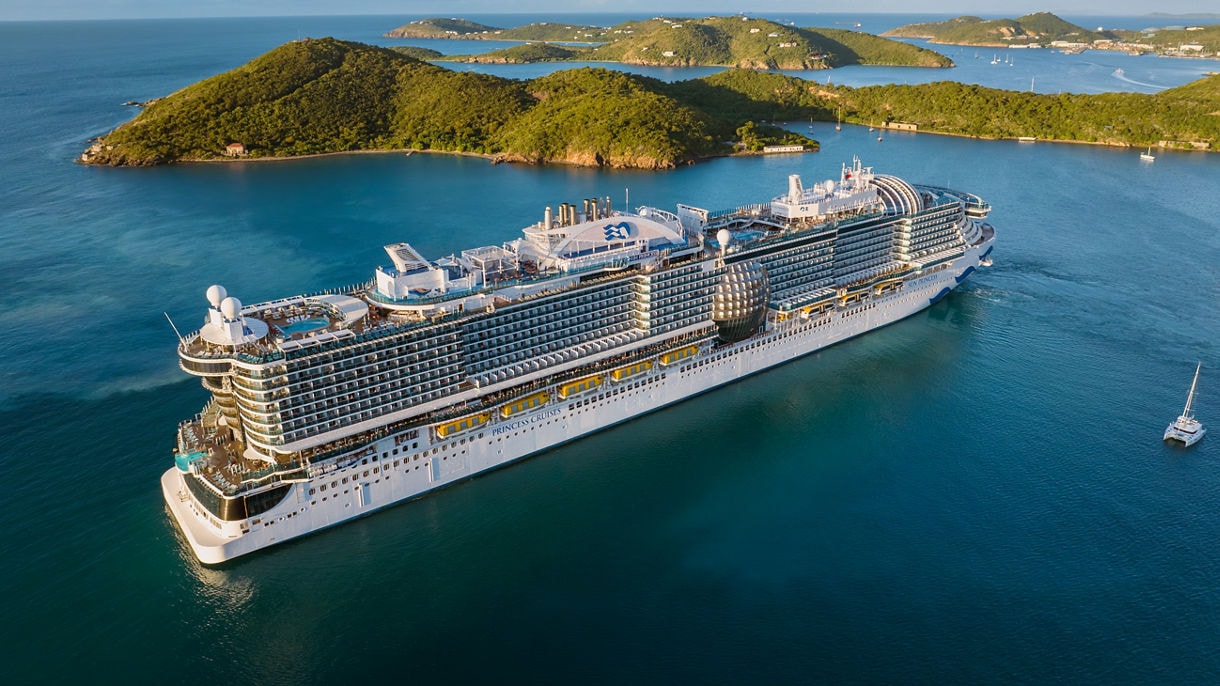
With Princess Cruises, discovering the Caribbean’s underwater world is as easy as stepping off the ship. Carefully designed shore excursions take the guesswork out of snorkeling in the Caribbean, planning your adventure and making sure you get to and from your destination in safety and comfort. You’ll explore protected reefs, private islands and marine parks — all while enjoying the comfort and convenience that comes with sailing aboard a Princess® cruise.
If you're eager to see what lies beneath the surface — or just craving a little more salt in your breeze — we’ll take you to places that stay with you long after you’ve dried off.


