Best of Wakayama
Moderate Activity
Includes meal
Be sure to read the Special Notes further down this page for important requirements and restriction.
WHAT YOU VISIT
Wakayama Castle
Originally built in 1585 by Toyotomi Hideyoshi who successfully unified Japan, the castle's main purpose was to strengthen the warlord's hold over the southern region of Kansai and command the Kii Peninsula. Situated atop Mt. Torafusu in the heart of the city, the grounds and gardens surrounding the castle are almost as spectacular as the architecture of the feudal fortress itself. Although World War II bombing destroyed most of the original castle buildings, a faithful reconstruction has successfully recreated an aura of power and authority.
Tamatsushima-jinja Shrine
Dating back 700 years, the humble shrine is dedicated to three Shinto deities renowned for their creativity-Wakahirume-no-mikoto, Jingu-kogo, and Soto-orihime. Located in a residential area, its tranquil surroundings served as the inspiration for "waca" poems, a type of classical Japanese literature popular during the 6th to the 14th centuries.
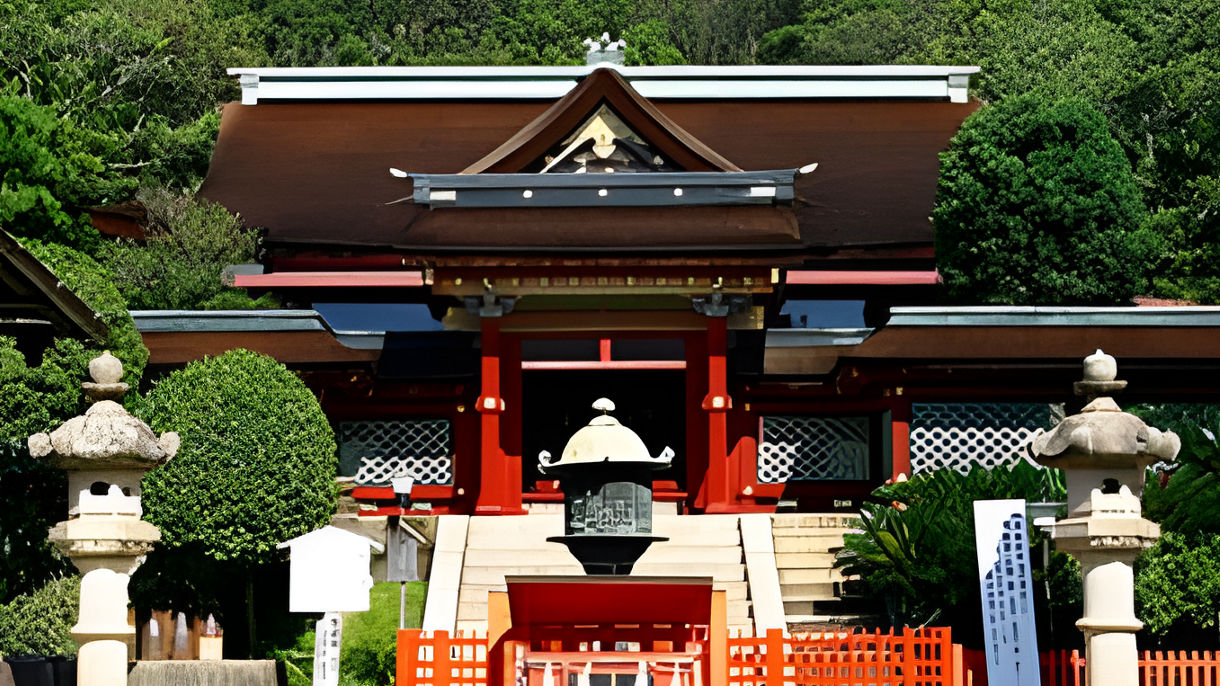
Kishu Toshogu Shrine
Erected in 1621 to enshrine the spirit of Tokugawa Ieyasu, son of the feudal lord Kishu Tokugawa, the Shinto shrine's main hall and hall of worship are Nationally Designated Important Cultural Properties. Set behind a beautifully carved wooden gate, the shrine holds treasured artifacts such as battle gear, pottery, and clothing. Climb up the 107 stairs to the top of the temple and you'll be able to see Wakayama City.
Yosuien Japanese Gardens
Built in 1818 as a country retreat for the 10th Tokugawa ruler, the gardens are recognized as A National-Designated Site of Scenic Beauty. Stretching out over seven acres, the gardens hold over 1,000 Japanese black pines, a teahouse, two picturesque bridges and a pond with a tiny, rocky island where a small shrine houses a god that watches over and protects the garden.
PHOTO OPPORTUNITY
Sometimes referred to as the "White Castle" for its unique chalk-white walls, Wakayama Castle's main tower offers panoramic views of the city.
MEAL
Enjoy a Japanese meal at a local restaurant.
WHAT YOU SEE ALONG THE WAY
As you make your way through a cityscape of bustling streets and freeways north to the city of Wakayama, it may be interesting to note that the area was once an important part as a place of commercial and cultural exchange in the 19th century.
Points of interest
Wakayama Castle
Kishu Toshogu Shrine
Yosuien Garden
Schedule
Special Notes
108 Steps are required to visit Kishu Toshogu Shrine.
Part of walking during the tour is on uneven bare ground.
There are about 300 steps and no lift at Wakayama Castle. From the parking lot to the castle, it is about 600 meter with many steps.
This tour is not recommended for passengers with walking difficulties.
Japanese Yen is required for additional purchases.
Special dietary meals would be offered only if requested before 3 days in advance.
The tour order may vary.
Exceptional Value
Book shore excursions with confidence! We offer competitive pricing, friendly service and unmatched destination expertise.
Moderate Activity
Includes meal
Be sure to read the Special Notes further down this page for important requirements and restriction.
WHAT YOU VISIT
Wakayama Castle
Originally built in 1585 by Toyotomi Hideyoshi who successfully unified Japan, the castle's main purpose was to strengthen the warlord's hold over the southern region of Kansai and command the Kii Peninsula. Situated atop Mt. Torafusu in the heart of the city, the grounds and gardens surrounding the castle are almost as spectacular as the architecture of the feudal fortress itself. Although World War II bombing destroyed most of the original castle buildings, a faithful reconstruction has successfully recreated an aura of power and authority.
Tamatsushima-jinja Shrine
Dating back 700 years, the humble shrine is dedicated to three Shinto deities renowned for their creativity-Wakahirume-no-mikoto, Jingu-kogo, and Soto-orihime. Located in a residential area, its tranquil surroundings served as the inspiration for "waca" poems, a type of classical Japanese literature popular during the 6th to the 14th centuries.
Kishu Toshogu Shrine
Erected in 1621 to enshrine the spirit of Tokugawa Ieyasu, son of the feudal lord Kishu Tokugawa, the Shinto shrine's main hall and hall of worship are Nationally Designated Important Cultural Properties. Set behind a beautifully carved wooden gate, the shrine holds treasured artifacts such as battle gear, pottery, and clothing. Climb up the 107 stairs to the top of the temple and you'll be able to see Wakayama City.
Yosuien Japanese Gardens
Built in 1818 as a country retreat for the 10th Tokugawa ruler, the gardens are recognized as A National-Designated Site of Scenic Beauty. Stretching out over seven acres, the gardens hold over 1,000 Japanese black pines, a teahouse, two picturesque bridges and a pond with a tiny, rocky island where a small shrine houses a god that watches over and protects the garden.
PHOTO OPPORTUNITY
Sometimes referred to as the "White Castle" for its unique chalk-white walls, Wakayama Castle's main tower offers panoramic views of the city.
MEAL
Enjoy a Japanese meal at a local restaurant.
WHAT YOU SEE ALONG THE WAY
As you make your way through a cityscape of bustling streets and freeways north to the city of Wakayama, it may be interesting to note that the area was once an important part as a place of commercial and cultural exchange in the 19th century.
Points of interest
Wakayama Castle
Kishu Toshogu Shrine
Yosuien Garden
Schedule
Special Notes
108 Steps are required to visit Kishu Toshogu Shrine.
Part of walking during the tour is on uneven bare ground.
There are about 300 steps and no lift at Wakayama Castle. From the parking lot to the castle, it is about 600 meter with many steps.
This tour is not recommended for passengers with walking difficulties.
Japanese Yen is required for additional purchases.
Special dietary meals would be offered only if requested before 3 days in advance.
The tour order may vary.