Highlights of Visby: A Town of Roses & Ruins
Moderate Activity
Be sure to read the Special Notes further down this page for important requirements and restriction.
What you will visit:
Almedalen (guided walk)
Known as The Valley of the Elm Trees, Almedalen was Visby's first harbor but today is a lush, green park area dotted by such historical sites as the Kruttornet (Powder Tower), Visby's oldest remaining structure, and the Jungfrutornet (Maiden's Tower), where a local goldsmith's daughter was reputed to be walled up alive for betraying the city to the Danes. Stroll down narrow alleyways to discover beautiful botanical gardens, established in the 19th century, with trees and blooming flowers from around the world.
Visby (guided walk)
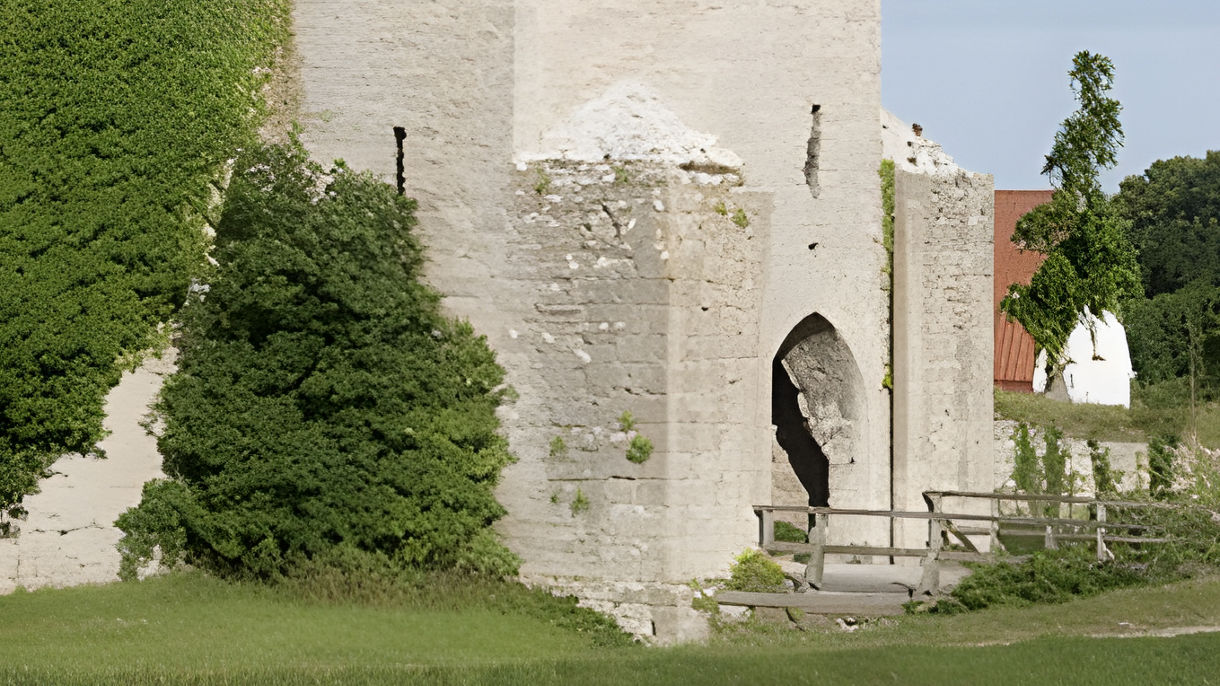
The quaint town of Visby, a UNESCO World Heritage Site, is ringed by a 13th-century limestone wall. Visby has been inhabited since the Stone Age. Its old-world charms, tall towers, turrets and spires, winding cobblestone streets and red-rose covered homes have earned its reputation as the best-preserved medieval city in Scandinavia and its nickname, "Town of Roses and Ruins." Best explored on foot, its delights include parks, gardens, historical church ruins and tiny curio shops.
What you will see along the way:
Visby is best known as the Town of Roses and Ruins and is one of Sweden's most popular vacation destinations. Begin with a drive along the coast to the Hanseatic harbor of Almedalen. Stroll toward Visby's oldest building, the Powder Tower, then on to Fisherman's Gate and the Botanical Garden. Motor to Gallows Hill for views of the ocean and Visby's cityscape. Continue to the medieval city of Visby, where you'll walk across the moat through Dalmans Gate and down picturesque alleyways flanked by stately homes and flowers. Conclude with views above St. Mary Cathedral.
Photo Opportunities:
Sankta Maria Cathedral (St. Mary Church)
Built in the 12th century by German merchants, St. Mary Church is Visby's first cathedral. It is the only one of Visby's early churches to still be in use. It has been renovated and altered through the years (restored 1899-1907 and again in 1945) but still charms with its large square tower on the west side and two small towers on the east end. It overlooks terracotta rooftops and spectacular seaside vistas.
Galgberget (Gallows Hill)
Built in the 13th century and used until 1845, these stone pillars supported wooden beams used to hang local criminals. The hilltop location served as a warning for those approaching from the sea that criminal behavior would not be tolerated. Today, they make for an unusual photo opportunity as well as frame spectacular views.
Points of interest
Dalmansporten
Almedalen
Galgberget (Gallows Hill)
Schedule
Special Notes
Participants will encounter cobblestone streets in Visby and some uneven terrain elsewhere. Wear comfortable walking shoes. Tour may run in reverse order. A visit or outside to the St. Mary's Church is not included in this tour.
Exceptional Value
Book shore excursions with confidence! We offer competitive pricing, friendly service and unmatched destination expertise.
Moderate Activity
Be sure to read the Special Notes further down this page for important requirements and restriction.
What you will visit:
Almedalen (guided walk)
Known as The Valley of the Elm Trees, Almedalen was Visby's first harbor but today is a lush, green park area dotted by such historical sites as the Kruttornet (Powder Tower), Visby's oldest remaining structure, and the Jungfrutornet (Maiden's Tower), where a local goldsmith's daughter was reputed to be walled up alive for betraying the city to the Danes. Stroll down narrow alleyways to discover beautiful botanical gardens, established in the 19th century, with trees and blooming flowers from around the world.
Visby (guided walk)
The quaint town of Visby, a UNESCO World Heritage Site, is ringed by a 13th-century limestone wall. Visby has been inhabited since the Stone Age. Its old-world charms, tall towers, turrets and spires, winding cobblestone streets and red-rose covered homes have earned its reputation as the best-preserved medieval city in Scandinavia and its nickname, "Town of Roses and Ruins." Best explored on foot, its delights include parks, gardens, historical church ruins and tiny curio shops.
What you will see along the way:
Visby is best known as the Town of Roses and Ruins and is one of Sweden's most popular vacation destinations. Begin with a drive along the coast to the Hanseatic harbor of Almedalen. Stroll toward Visby's oldest building, the Powder Tower, then on to Fisherman's Gate and the Botanical Garden. Motor to Gallows Hill for views of the ocean and Visby's cityscape. Continue to the medieval city of Visby, where you'll walk across the moat through Dalmans Gate and down picturesque alleyways flanked by stately homes and flowers. Conclude with views above St. Mary Cathedral.
Photo Opportunities:
Sankta Maria Cathedral (St. Mary Church)
Built in the 12th century by German merchants, St. Mary Church is Visby's first cathedral. It is the only one of Visby's early churches to still be in use. It has been renovated and altered through the years (restored 1899-1907 and again in 1945) but still charms with its large square tower on the west side and two small towers on the east end. It overlooks terracotta rooftops and spectacular seaside vistas.
Galgberget (Gallows Hill)
Built in the 13th century and used until 1845, these stone pillars supported wooden beams used to hang local criminals. The hilltop location served as a warning for those approaching from the sea that criminal behavior would not be tolerated. Today, they make for an unusual photo opportunity as well as frame spectacular views.
Points of interest
Dalmansporten
Almedalen
Galgberget (Gallows Hill)
Schedule
Special Notes
Participants will encounter cobblestone streets in Visby and some uneven terrain elsewhere. Wear comfortable walking shoes. Tour may run in reverse order. A visit or outside to the St. Mary's Church is not included in this tour.