Traditional Arts and Crafts of Fukui
Moderate Activity
Includes meal
Be sure to read the Special Notes further down this page for important requirements and restriction.
What you will visit:
Urushi-no-sato Lacquerware Gallery
The origin of lacquerware in Fukui can be traced back 1,500 years. Legend tells that the 26th emperor, when a young prince, commissioned lacquer painters from the area to repair his crown. So happy was he with the results that he encouraged the artisans in Fukui to produce more pieces. Lacquerware involves the application of applying the sap of the "urushi" lacquer tree. Originally used as an adhesive in Asia during the Stone Age, the repeated coating technique used today is a highly praised art form. The three-step process involves the creation of the main structure, intense coatings of lacquer and finally decorations, which are done by hand using gold and silver paint and other finishing touches.
Echizen Washi-no-sato Japanese paper art
The term "washi" translates to "Japanese paper" (wa=Japanese shi=paper). Washi is world-renowned both for its beauty and its durability. Papermaking has been a tradition in Japan for centuries, and washi is a Cultural Heritage Object. Today, the paper is made utilizing the same ancient techniques and raw materials needed to make the pulp, including the kuozo plant, the mitsumata bush and the gampi tree. It is said that washi is the best gift mother nature has given to the Japanese. Under the tutelage of local craftsmen, guests use authentic tools and time-honored methods to create their own special postcard to take home.
Takefu Knife Village
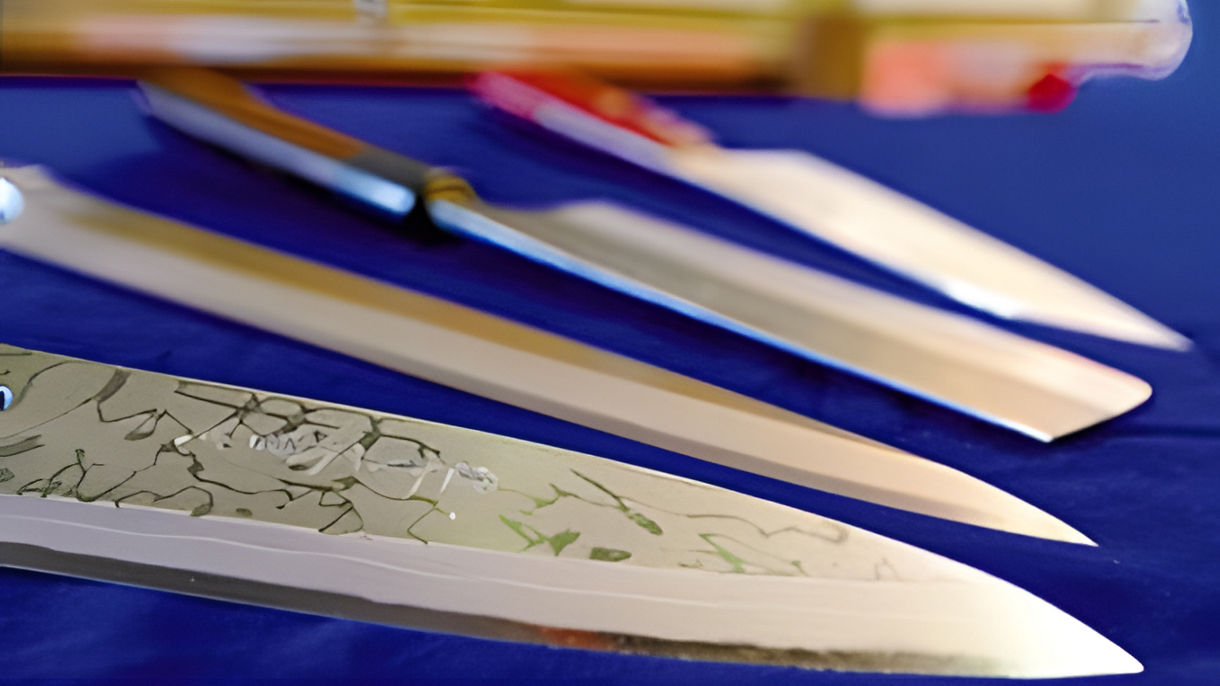
Dating back to the early 14th century, local lore tells of a sword maker from Kyoto who travelled to the region in search of good water for his sword making. Through his travels, he brought the ancient craft of sickle making to the area to supply the local farmers. Since then, Takefu has been a hub for this traditional industry. Today, sickles are crafted for local farmers using methods passed down through generations. Designs have developed and evolved, and many sickles, shears, hatchets, kitchen knives, and other cutlery are produced with the original forging and hand-finishing techniques displayed in this museum-like studio.
What you will see along the way:
The port city of Tsuruga is surrounded by mountain ranges on three sides and opens to the Sea of Japan. Tsuruga is renowned for its natural beauty, its urban center boasts historic landmarks, shrines, a bustling seafood marketplace and a charming population of bronze statuettes, characters from artist Leiji Matsumato's anime comic books that were erected in celebration of the city's 100th anniversary.
Lunch:
Savor a locally prepared soba noodle luncheon. Japanese soba noodles are made from buckwheat. These soft, long noodles are typically served cold with dipping sauces or hot with a clear broth.
Points of interest
Traditional Crafts
Schedule
Special Notes
Please wear comfortable shoes and wear.
Please bring local currency for any purchase.
Exceptional Value
Book shore excursions with confidence! We offer competitive pricing, friendly service and unmatched destination expertise.
Moderate Activity
Includes meal
Be sure to read the Special Notes further down this page for important requirements and restriction.
What you will visit:
Urushi-no-sato Lacquerware Gallery
The origin of lacquerware in Fukui can be traced back 1,500 years. Legend tells that the 26th emperor, when a young prince, commissioned lacquer painters from the area to repair his crown. So happy was he with the results that he encouraged the artisans in Fukui to produce more pieces. Lacquerware involves the application of applying the sap of the "urushi" lacquer tree. Originally used as an adhesive in Asia during the Stone Age, the repeated coating technique used today is a highly praised art form. The three-step process involves the creation of the main structure, intense coatings of lacquer and finally decorations, which are done by hand using gold and silver paint and other finishing touches.
Echizen Washi-no-sato Japanese paper art
The term "washi" translates to "Japanese paper" (wa=Japanese shi=paper). Washi is world-renowned both for its beauty and its durability. Papermaking has been a tradition in Japan for centuries, and washi is a Cultural Heritage Object. Today, the paper is made utilizing the same ancient techniques and raw materials needed to make the pulp, including the kuozo plant, the mitsumata bush and the gampi tree. It is said that washi is the best gift mother nature has given to the Japanese. Under the tutelage of local craftsmen, guests use authentic tools and time-honored methods to create their own special postcard to take home.
Takefu Knife Village
Dating back to the early 14th century, local lore tells of a sword maker from Kyoto who travelled to the region in search of good water for his sword making. Through his travels, he brought the ancient craft of sickle making to the area to supply the local farmers. Since then, Takefu has been a hub for this traditional industry. Today, sickles are crafted for local farmers using methods passed down through generations. Designs have developed and evolved, and many sickles, shears, hatchets, kitchen knives, and other cutlery are produced with the original forging and hand-finishing techniques displayed in this museum-like studio.
What you will see along the way:
The port city of Tsuruga is surrounded by mountain ranges on three sides and opens to the Sea of Japan. Tsuruga is renowned for its natural beauty, its urban center boasts historic landmarks, shrines, a bustling seafood marketplace and a charming population of bronze statuettes, characters from artist Leiji Matsumato's anime comic books that were erected in celebration of the city's 100th anniversary.
Lunch:
Savor a locally prepared soba noodle luncheon. Japanese soba noodles are made from buckwheat. These soft, long noodles are typically served cold with dipping sauces or hot with a clear broth.
Points of interest
Traditional Crafts
Schedule
Special Notes
Please wear comfortable shoes and wear.
Please bring local currency for any purchase.