Highlights of Tsuruga
Moderate Activity
Be sure to read the Special Notes further down this page for important requirements and restriction.
WHAT YOU WILL VISIT:
Kehi-no-Matsubara pine grove
One of the three largest pine forests in Japan, this beautiful natural area of deep blue waters, white sand and emerald pines is a masterpiece of scenic beauty. The pine grove consists of 17,000 towering pine trees of both Japanese red and black species that are over 200 years old. In this lovely recreation area, there are times when debris from the sea rushes over the pines, and local volunteer efforts are needed to clean the area and restore it to a tranquil spot for the community.
Kehi-jingu Shrine
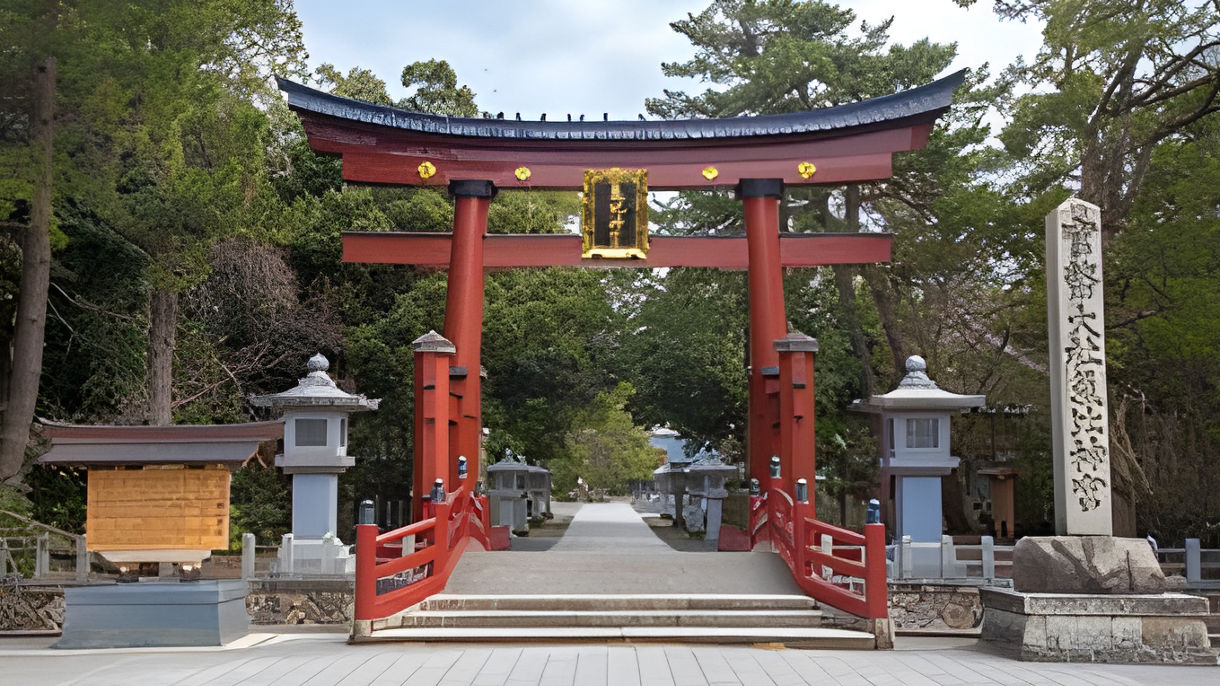
An impressive torii gate greets visitors to the Kehi-jingu Shrine, an iconic symbol of Tsuruga city. Originally built in 702 A.D., it has withstood the ravages of time, having been burned by fires and wars then reconstructed to its original glory after WWII. Despite all, the original red torii gate at the entrance, constructed in 1645, still stands and is the third-tallest original wooden structure of its kind in Japan. A statue of the Edo Period poet Matsuo Basho stands to commemorate the poetry he wrote after his visit in 1689, espousing the beauty of the shrine and its vistas overlooking the dramatic sea. Water remains a theme at the temple, and water that has welled up at this location is considered to have health properties. A small water basin to the left of the entrance gates is complete with a turtle (a symbol of longevity) spouting water from its mouth.
Tsuruga Red Brick Warehouse
Two red-brick buildings on the eastern side of Tsuruga Port, registered as Tangible Cultural Properties of Japan, stand among the most distinguished brick buildings in Fukui Prefecture. These warehouse structures, built in 1905, were used for petroleum storage and more recently to store kombu (edible kelp). In 2015, they were reopened as a popular interest site with a diorama depicting the early 20th-century Tsuruga townscape as well as restaurants serving local specialties in this old-fashioned atmosphere.
Port of Humanity Tsuruga Museum
Tsuruga has a long and illustrious history as a "port of humanity," graciously accepting Polish children orphaned during the Russian occupation. Chiune Sugihara, the Japanese vice-consul in Lithuania, helped to save thousands of Jews fleeing Nazi persecution during World War II. Ultimately, it is believed that the lives of over 6,000 Jewish refugees were saved. The museum stands in testimony to Sugihara's efforts and tells the story through photographs and documents.
Nihonkai Sakana-machi Fish Market
With over 70 establishments, this thriving local seafood market, which translates to "Sea of Japan's Fish City," sells product fresh from the Sea of Japan. Sakana Machi has been bringing in daily fresh seafood from Tsuruga Port since 1994. A seafood bowl makes a great snack as do sushi, fried dishes, curry and other Japanese foods.
WHAT YOU WILL SEE ALONG THE WAY:
The port city of Tsuruga is surrounded by mountain ranges on three sides and opens to the Sea of Japan. Tsuruga is renowned for its natural beauty, its coastline scenery with white-sand beaches and pine forests. Its urban center boasts historic landmarks, shrines, a bustling seafood marketplace and a charming population of bronze statuettes, characters from artist Leiji Matsumato's anime comic books that were erected in celebration of the city's 100th anniversary.
Points of interest
Tsuruga Humanity Museum
Kehi-Jingu Shrine
Tsuruga Red Brick Warehouse
Schedule
Special Notes
Please bring local currency for any purchase.
Wear comfortable shoes. Uneven walking surfaces during tour.
At the Port of Humanity Tsuruga Museum, photography is prohibited inside the museum except in designated areas.
Exceptional Value
Book shore excursions with confidence! We offer competitive pricing, friendly service and unmatched destination expertise.
Moderate Activity
Be sure to read the Special Notes further down this page for important requirements and restriction.
WHAT YOU WILL VISIT:
Kehi-no-Matsubara pine grove
One of the three largest pine forests in Japan, this beautiful natural area of deep blue waters, white sand and emerald pines is a masterpiece of scenic beauty. The pine grove consists of 17,000 towering pine trees of both Japanese red and black species that are over 200 years old. In this lovely recreation area, there are times when debris from the sea rushes over the pines, and local volunteer efforts are needed to clean the area and restore it to a tranquil spot for the community.
Kehi-jingu Shrine
An impressive torii gate greets visitors to the Kehi-jingu Shrine, an iconic symbol of Tsuruga city. Originally built in 702 A.D., it has withstood the ravages of time, having been burned by fires and wars then reconstructed to its original glory after WWII. Despite all, the original red torii gate at the entrance, constructed in 1645, still stands and is the third-tallest original wooden structure of its kind in Japan. A statue of the Edo Period poet Matsuo Basho stands to commemorate the poetry he wrote after his visit in 1689, espousing the beauty of the shrine and its vistas overlooking the dramatic sea. Water remains a theme at the temple, and water that has welled up at this location is considered to have health properties. A small water basin to the left of the entrance gates is complete with a turtle (a symbol of longevity) spouting water from its mouth.
Tsuruga Red Brick Warehouse
Two red-brick buildings on the eastern side of Tsuruga Port, registered as Tangible Cultural Properties of Japan, stand among the most distinguished brick buildings in Fukui Prefecture. These warehouse structures, built in 1905, were used for petroleum storage and more recently to store kombu (edible kelp). In 2015, they were reopened as a popular interest site with a diorama depicting the early 20th-century Tsuruga townscape as well as restaurants serving local specialties in this old-fashioned atmosphere.
Port of Humanity Tsuruga Museum
Tsuruga has a long and illustrious history as a "port of humanity," graciously accepting Polish children orphaned during the Russian occupation. Chiune Sugihara, the Japanese vice-consul in Lithuania, helped to save thousands of Jews fleeing Nazi persecution during World War II. Ultimately, it is believed that the lives of over 6,000 Jewish refugees were saved. The museum stands in testimony to Sugihara's efforts and tells the story through photographs and documents.
Nihonkai Sakana-machi Fish Market
With over 70 establishments, this thriving local seafood market, which translates to "Sea of Japan's Fish City," sells product fresh from the Sea of Japan. Sakana Machi has been bringing in daily fresh seafood from Tsuruga Port since 1994. A seafood bowl makes a great snack as do sushi, fried dishes, curry and other Japanese foods.
WHAT YOU WILL SEE ALONG THE WAY:
The port city of Tsuruga is surrounded by mountain ranges on three sides and opens to the Sea of Japan. Tsuruga is renowned for its natural beauty, its coastline scenery with white-sand beaches and pine forests. Its urban center boasts historic landmarks, shrines, a bustling seafood marketplace and a charming population of bronze statuettes, characters from artist Leiji Matsumato's anime comic books that were erected in celebration of the city's 100th anniversary.
Points of interest
Tsuruga Humanity Museum
Kehi-Jingu Shrine
Tsuruga Red Brick Warehouse
Schedule
Special Notes
Please bring local currency for any purchase.
Wear comfortable shoes. Uneven walking surfaces during tour.
At the Port of Humanity Tsuruga Museum, photography is prohibited inside the museum except in designated areas.