Highlights of Tokyo
Moderate Activity
Be sure to read the Special Notes further down this page for important requirements and restriction.
WHAT YOU VISIT
Meiji Shrine Complex
Dedicated to Emperor Meiji, who ruled from 1867 to 1912 and Empress Shoken, the Meiji Shrine was constructed in 1920 to enshrine their souls. Destroyed during allied air raids in World War II, the shrine you see today was rebuilt in 1958. Upon arriving at this great monument, you'll enter the shrine through a 12-meter-high (40-foot-high) Torii gate, one of the largest in Japan, and meander through the tranquil 70-hectare (170-acre) setting of 120,000 trees that were donated by people from all over Japan when the shrine was established.
Sensoji Temple (Asakusa Kannon Temple)
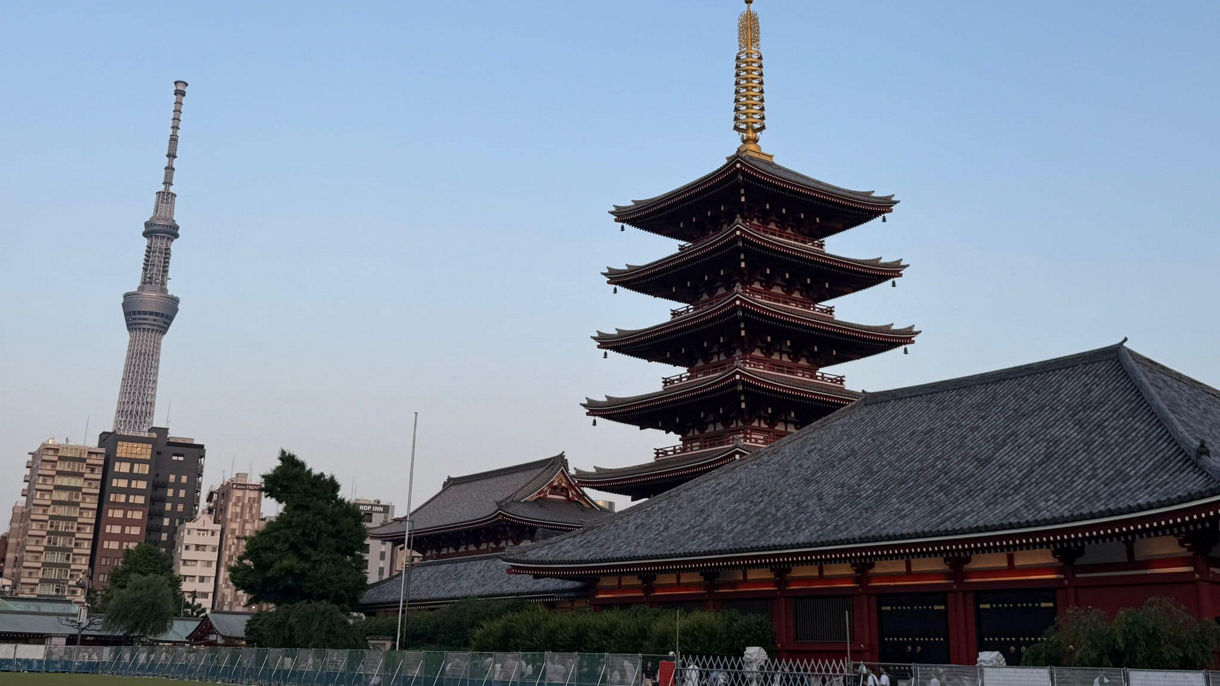
One of Tokyo's most colorful and popular temples is Sensoji, also known as Asakusa Kannon Temple. According to legend, in 628, two brothers fished a statue of Kannon, the Goddess of Mercy, out of the Sumida River. Even after they put it back into the river, it returned. To commemorate this miracle, a temple was built in 645, making it Tokyo's oldest temple. Although founded in the 7th century, the current five-story crimson building was rebuilt after being destroyed in WWII.
PHOTO OPPORTUNITIES
It's easy to see why Sensoji Temple is one of the most photographed sites in Tokyo. The immense gate entrance, Kaminarimon, which translates to Thunder Gate, stands 11.7 meters tall (38 feet), 11.4 meters wide (37 feet) and covers an area of 69.3 square meters (745 square feet). Not to be missed are the two statues placed beside the 700-kilogram (1,543-pound) lantern with delicate dragon carvings adorning its base. The figure on the left is the God of Thunder, on the right, the Wind God. Each are believed to protect the temple from storms, floods and fires.
SNACKS
While strolling Nakamise Shopping Street, you can purchase a snack before rejoining your coach for the return drive back to the pier.
SHOPPING
Walk under Sensoji Temple's colossal black and red paper lantern that adorns the Kaminarimon Gate and you'll find yourself on Nakamise-dori, or Nakamise Shopping Street. Along the way, you can shop at the stalls that sell a variety of products such as food, souvenirs and handmade crafts.
WHAT YOU SEE ALONG THE WAY
Your tour begins as you board your motorcoach for a scenic, 60-minute drive from Yokohama to Tokyo. Your route affords you a glimpse at the world's largest city, taking in such sites as the modern Fuji Television, Ginza district and other landmarks in the city's center.
Points of interest
Meiji Shrine
Sensoji Temple
Schedule
Special Notes
Comfortable, non-slip shoes and bottled water are recommended. This tour is not considered suitable for passengers with walking difficulties. Passengers with wheelchairs are reminded that a few steps required to be negotiated to board the coach and that wheelchairs will be stored in the boot of the coach (fold-up wheelchair). The coach cannot accommodate electric scooters. Bring local currency. Shops at Nakamise accept Japanese Yen and major credit cards only. Asakusa/Meiji Shrine will take about 1-hour or 1-hour 15 minutes from the pier, the tour may be delayed due to the traffic.
Tour order may vary
Exceptional Value
Book shore excursions with confidence! We offer competitive pricing, friendly service and unmatched destination expertise.
Moderate Activity
Be sure to read the Special Notes further down this page for important requirements and restriction.
WHAT YOU VISIT
Meiji Shrine Complex
Dedicated to Emperor Meiji, who ruled from 1867 to 1912 and Empress Shoken, the Meiji Shrine was constructed in 1920 to enshrine their souls. Destroyed during allied air raids in World War II, the shrine you see today was rebuilt in 1958. Upon arriving at this great monument, you'll enter the shrine through a 12-meter-high (40-foot-high) Torii gate, one of the largest in Japan, and meander through the tranquil 70-hectare (170-acre) setting of 120,000 trees that were donated by people from all over Japan when the shrine was established.
Sensoji Temple (Asakusa Kannon Temple)
One of Tokyo's most colorful and popular temples is Sensoji, also known as Asakusa Kannon Temple. According to legend, in 628, two brothers fished a statue of Kannon, the Goddess of Mercy, out of the Sumida River. Even after they put it back into the river, it returned. To commemorate this miracle, a temple was built in 645, making it Tokyo's oldest temple. Although founded in the 7th century, the current five-story crimson building was rebuilt after being destroyed in WWII.
PHOTO OPPORTUNITIES
It's easy to see why Sensoji Temple is one of the most photographed sites in Tokyo. The immense gate entrance, Kaminarimon, which translates to Thunder Gate, stands 11.7 meters tall (38 feet), 11.4 meters wide (37 feet) and covers an area of 69.3 square meters (745 square feet). Not to be missed are the two statues placed beside the 700-kilogram (1,543-pound) lantern with delicate dragon carvings adorning its base. The figure on the left is the God of Thunder, on the right, the Wind God. Each are believed to protect the temple from storms, floods and fires.
SNACKS
While strolling Nakamise Shopping Street, you can purchase a snack before rejoining your coach for the return drive back to the pier.
SHOPPING
Walk under Sensoji Temple's colossal black and red paper lantern that adorns the Kaminarimon Gate and you'll find yourself on Nakamise-dori, or Nakamise Shopping Street. Along the way, you can shop at the stalls that sell a variety of products such as food, souvenirs and handmade crafts.
WHAT YOU SEE ALONG THE WAY
Your tour begins as you board your motorcoach for a scenic, 60-minute drive from Yokohama to Tokyo. Your route affords you a glimpse at the world's largest city, taking in such sites as the modern Fuji Television, Ginza district and other landmarks in the city's center.
Points of interest
Meiji Shrine
Sensoji Temple
Schedule
Special Notes
Comfortable, non-slip shoes and bottled water are recommended. This tour is not considered suitable for passengers with walking difficulties. Passengers with wheelchairs are reminded that a few steps required to be negotiated to board the coach and that wheelchairs will be stored in the boot of the coach (fold-up wheelchair). The coach cannot accommodate electric scooters. Bring local currency. Shops at Nakamise accept Japanese Yen and major credit cards only. Asakusa/Meiji Shrine will take about 1-hour or 1-hour 15 minutes from the pier, the tour may be delayed due to the traffic.
Tour order may vary