Palermo's Gardens
Easy Activity
Be sure to read the Special Notes further down this page for important requirements and restriction.
Palermo, once known as "the garden city" of Sicily, has retained much of its leafy beauty. The Arabs introduced gardens to Palermo, and the Normans continued the tradition in their parklands and palace retreats. Spend a half day strolling through two fragrant oases and encounter a centuries-old banyan tree and a host of exotic blooms.
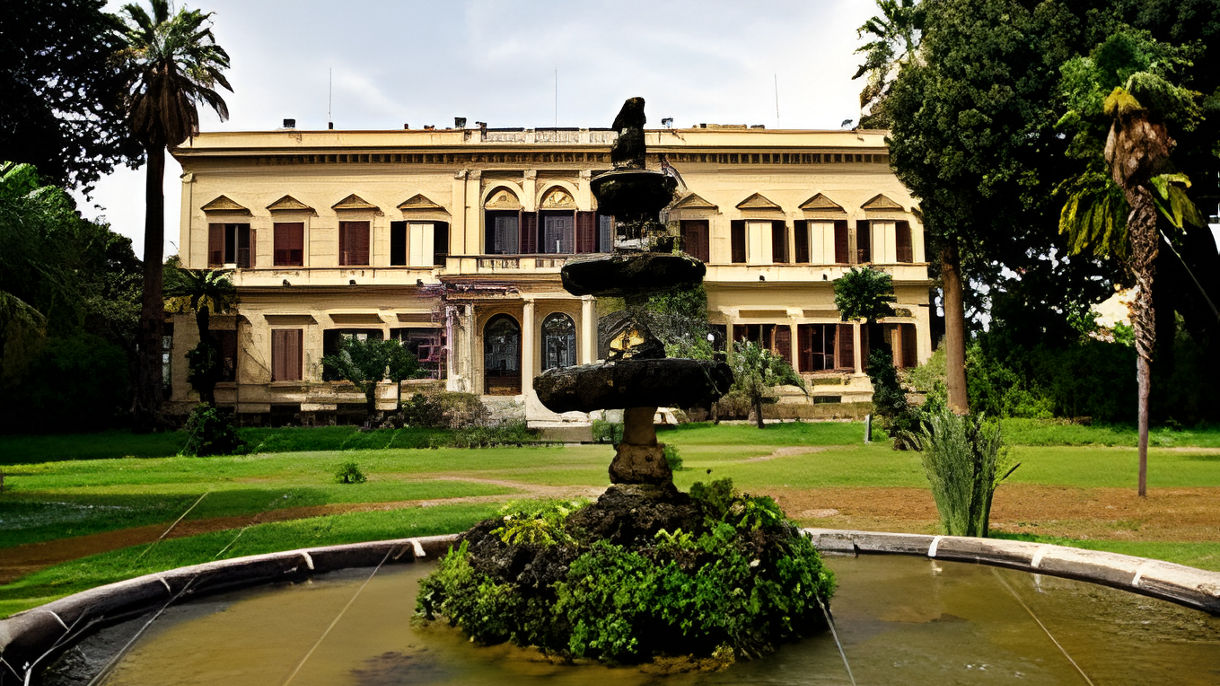
Set off via motorcoach to Villa Malfitano, one of Palermo's most spectacular villa palaces. Surrounded by towering walls and an intricate wrought iron gate, Villa Malfitano was built in 1886 by Joseph Isaac Whitaker, the son of a wealthy wine merchant. Whitaker, an avid botanist, shipped trees from around the world to plant at his villa and took extra care importing exotic blooms. The fruit of his labor is a fantastical 22-acre formal garden filled with rare flora. Here, you can see unique species, including the Dragon's Blood, a banyan tree-the only one of its kind in Europe, and the Mexican yucca cactus, an incongruous sight in Sicily! A sunny greenhouse exhibits 150 different kinds of orchids, and yards of brightly colored flowers add charm to this park-like setting. Stop at the fountain to see the goldfish and take a picture beside the lion statue.
The villa itself is a showplace, designed in the liberty style with antiques and curios found around every corner. Walls are painted with dramatic trompe l'oeil frescoes, and there is a sense of whimsy as you walk from room to room. The Summer Room is painted to resemble a conservatory, and a music room is draped with 15th-century tapestries. A walk through this home and the property takes you back in time to the belle époque when lavish parties for high society were hosted here and guests included King Edward VII in 1907 and George V in 1925.
Equally spectacular although more wild in structure, the Botanical Gardens (Orto Botanico) of Palermo is among the oldest centers for botanical studies in the Mediterranean region. This neoclassical 10-hectare masterpiece of fragrant blooms and plants and trees imported from around the globe was established in 1779 and transferred to its current space in 1786. The gardens include many foreign species of trees, notably bamboo from Burma, Mandarin orange trees introduced in 1812, a large cactus, and a succulent collection of sugar cane once cultivated in Sicily. Be sure to see the 150-year-old "strangler fig" and the tallest tree in Palermo, the Araucaria columnaris, reaching for the sky at 115 feet.
The gardens are a haven for birds and wildlife, and statues, greenhouses and pavilions grace the property. With more than 12,000 different species of plants, this is a significant research facility operated in conjunction with the University of Palermo. Here, wild plants are categorized and studied, and the gardens are at the forefront of Sicily's conservation efforts.
With a camera filled with colorful pictures and a deeper understanding of the exquisite flora and fauna to be found in Palermo, conclude this truly beautiful day with a relaxing ride back to port.
Schedule
Exceptional Value
Book shore excursions with confidence! We offer competitive pricing, friendly service and unmatched destination expertise.
Easy Activity
Be sure to read the Special Notes further down this page for important requirements and restriction.
Palermo, once known as "the garden city" of Sicily, has retained much of its leafy beauty. The Arabs introduced gardens to Palermo, and the Normans continued the tradition in their parklands and palace retreats. Spend a half day strolling through two fragrant oases and encounter a centuries-old banyan tree and a host of exotic blooms.
Set off via motorcoach to Villa Malfitano, one of Palermo's most spectacular villa palaces. Surrounded by towering walls and an intricate wrought iron gate, Villa Malfitano was built in 1886 by Joseph Isaac Whitaker, the son of a wealthy wine merchant. Whitaker, an avid botanist, shipped trees from around the world to plant at his villa and took extra care importing exotic blooms. The fruit of his labor is a fantastical 22-acre formal garden filled with rare flora. Here, you can see unique species, including the Dragon's Blood, a banyan tree-the only one of its kind in Europe, and the Mexican yucca cactus, an incongruous sight in Sicily! A sunny greenhouse exhibits 150 different kinds of orchids, and yards of brightly colored flowers add charm to this park-like setting. Stop at the fountain to see the goldfish and take a picture beside the lion statue.
The villa itself is a showplace, designed in the liberty style with antiques and curios found around every corner. Walls are painted with dramatic trompe l'oeil frescoes, and there is a sense of whimsy as you walk from room to room. The Summer Room is painted to resemble a conservatory, and a music room is draped with 15th-century tapestries. A walk through this home and the property takes you back in time to the belle époque when lavish parties for high society were hosted here and guests included King Edward VII in 1907 and George V in 1925.
Equally spectacular although more wild in structure, the Botanical Gardens (Orto Botanico) of Palermo is among the oldest centers for botanical studies in the Mediterranean region. This neoclassical 10-hectare masterpiece of fragrant blooms and plants and trees imported from around the globe was established in 1779 and transferred to its current space in 1786. The gardens include many foreign species of trees, notably bamboo from Burma, Mandarin orange trees introduced in 1812, a large cactus, and a succulent collection of sugar cane once cultivated in Sicily. Be sure to see the 150-year-old "strangler fig" and the tallest tree in Palermo, the Araucaria columnaris, reaching for the sky at 115 feet.
The gardens are a haven for birds and wildlife, and statues, greenhouses and pavilions grace the property. With more than 12,000 different species of plants, this is a significant research facility operated in conjunction with the University of Palermo. Here, wild plants are categorized and studied, and the gardens are at the forefront of Sicily's conservation efforts.
With a camera filled with colorful pictures and a deeper understanding of the exquisite flora and fauna to be found in Palermo, conclude this truly beautiful day with a relaxing ride back to port.