Norman Wonders of Palermo
Moderate Activity
Be sure to read the Special Notes further down this page for important requirements and restriction.
At the end of the 11th century, Christians and Muslims were engaged in intense fighting throughout the Mediterranean. The Norman rulers of Sicily valiantly tried to create a more peaceful and tolerant kingdom, one that reflected the talents of their subjects and encouraged them to flourish, despite religious differences.
Your half-day adventure, introduces you to Palermo and the spectacular works of art and architecture that celebrate the Norman spirit. Your route takes you through Quattro Canti (Four Corners), the heart of Palermo's old historic district, leading up to the grand Palazzo dei Normanni, home of the Sicilian parliament.
Located within the Palazzo dei Normanni, you'll find the Cappella Palatina (Palatine Chapel). Founded by Roger II in 1130 and consecrated in 1140, it is heralded as an exceptional example of Arab-Norman artwork. The exterior wall is a narrow portico supported by ornate columns.
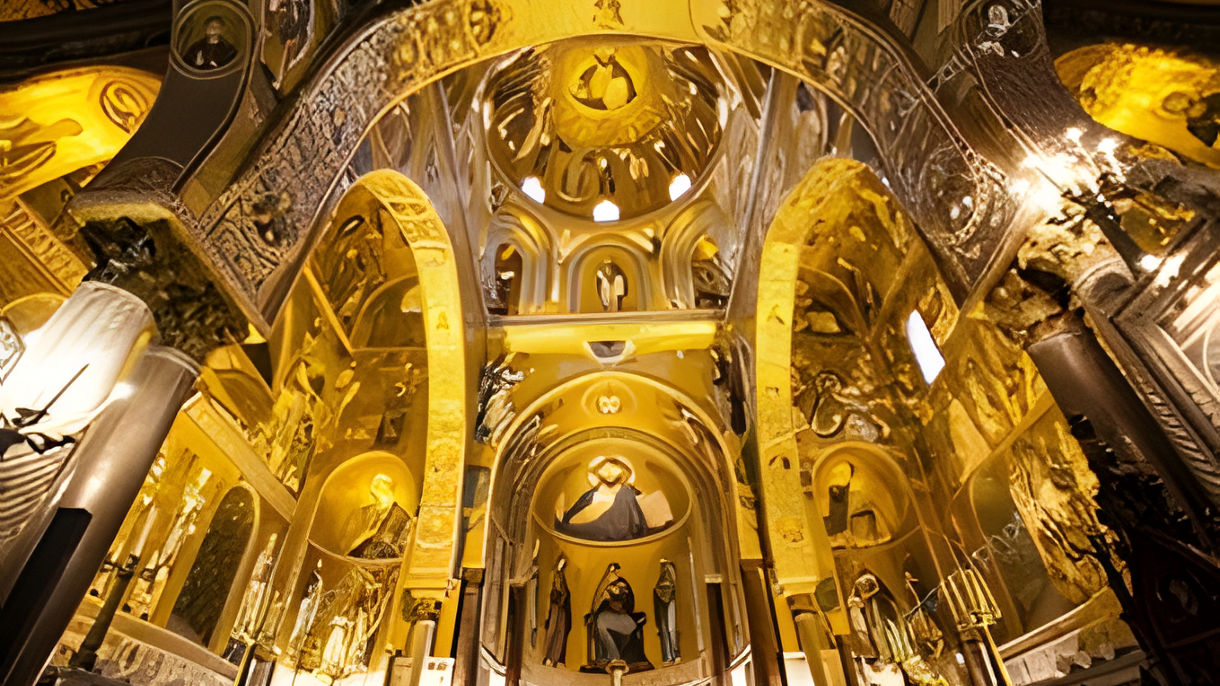
The interior of the chapel is truly extraordinary. Everywhere you look, from bottom to top, something beautiful catches your eye. The floor is decorated with marble mosaic, and marble inlay covers the lower part of the walls. Above the nave, there is an intricate wooden ceiling with honeycomb detailing. All of the walks are painted gold with mosaic details. The stories these mosaics tell are familiar, but some have a unique twist. For example, Adam and Eve not only have the forbidden fruit in their mouth, but they are seen reaching for a second piece.
From the moment the Cathedral of Palermo comes into view, you'll know why it is such a significant landmark. The cathedral's complex history began in the 12th century when it was built in the Sicilian-Norman style. But from that time it has been modified, renovated and restored, giving it a patchwork quality, with Arab, Byzantine, Norman, Swabian, Gothic, Romanesque, Renaissance and baroque appointments. This eclectic marvel is huge, and today it is Sicily's largest church. The cathedral is joined to its 12th-century campanile by two graceful arches and is crowned with an ornate 18th-century dome. Step through the Romanesque bronze doors designed by Pisano and into the splendid, gold sanctuary. Breathtaking mosaics stretch out before you, dating from the 12th and 13th centuries. The walls of the nave, aisles, transept and apse are literally covered in Byzantine and Venetian tile work spanning 68,220 feet in total. The images you will see depict stories from both the Old and the New Testament-a sight to behold. Within the Cathedral Treasury, you'll find a fine collection of religious paraphernalia, including jewel-studded crucifixes and chalices as well as gold jewelry and Byzantine enamel. You'll also see the queen's jewelry and personal artifacts.
On your return to port, relax as the sights go by and reflect on the dazzling beauty you have seen, sharing photos and observations with your fellow travelers.
Points of interest
Palazzo dei Normanni
Schedule
Special Notes
Use of an audio headset (included) will enhance your tour experience.
Exceptional Value
Book shore excursions with confidence! We offer competitive pricing, friendly service and unmatched destination expertise.
Moderate Activity
Be sure to read the Special Notes further down this page for important requirements and restriction.
At the end of the 11th century, Christians and Muslims were engaged in intense fighting throughout the Mediterranean. The Norman rulers of Sicily valiantly tried to create a more peaceful and tolerant kingdom, one that reflected the talents of their subjects and encouraged them to flourish, despite religious differences.
Your half-day adventure, introduces you to Palermo and the spectacular works of art and architecture that celebrate the Norman spirit. Your route takes you through Quattro Canti (Four Corners), the heart of Palermo's old historic district, leading up to the grand Palazzo dei Normanni, home of the Sicilian parliament.
Located within the Palazzo dei Normanni, you'll find the Cappella Palatina (Palatine Chapel). Founded by Roger II in 1130 and consecrated in 1140, it is heralded as an exceptional example of Arab-Norman artwork. The exterior wall is a narrow portico supported by ornate columns.
The interior of the chapel is truly extraordinary. Everywhere you look, from bottom to top, something beautiful catches your eye. The floor is decorated with marble mosaic, and marble inlay covers the lower part of the walls. Above the nave, there is an intricate wooden ceiling with honeycomb detailing. All of the walks are painted gold with mosaic details. The stories these mosaics tell are familiar, but some have a unique twist. For example, Adam and Eve not only have the forbidden fruit in their mouth, but they are seen reaching for a second piece.
From the moment the Cathedral of Palermo comes into view, you'll know why it is such a significant landmark. The cathedral's complex history began in the 12th century when it was built in the Sicilian-Norman style. But from that time it has been modified, renovated and restored, giving it a patchwork quality, with Arab, Byzantine, Norman, Swabian, Gothic, Romanesque, Renaissance and baroque appointments. This eclectic marvel is huge, and today it is Sicily's largest church. The cathedral is joined to its 12th-century campanile by two graceful arches and is crowned with an ornate 18th-century dome. Step through the Romanesque bronze doors designed by Pisano and into the splendid, gold sanctuary. Breathtaking mosaics stretch out before you, dating from the 12th and 13th centuries. The walls of the nave, aisles, transept and apse are literally covered in Byzantine and Venetian tile work spanning 68,220 feet in total. The images you will see depict stories from both the Old and the New Testament-a sight to behold. Within the Cathedral Treasury, you'll find a fine collection of religious paraphernalia, including jewel-studded crucifixes and chalices as well as gold jewelry and Byzantine enamel. You'll also see the queen's jewelry and personal artifacts.
On your return to port, relax as the sights go by and reflect on the dazzling beauty you have seen, sharing photos and observations with your fellow travelers.
Points of interest
Palazzo dei Normanni
Schedule
Special Notes
Use of an audio headset (included) will enhance your tour experience.