Mt.Haguro and Zenpo-Ji Temple
Strenuous Activity
Includes meal
Be sure to read the Special Notes further down this page for important requirements and restriction.
WHAT YOU WILL VISIT:
Go-ju-No-Toh (Five-story Pagoda)
Hidden in the hush of centuries-old cedar trees on the slopes of the sacred Mt. Haguro soars a five-story pagoda, designated as one of Japan's National Treasures. A stunning feat of engineering, the pagoda stands over 95 feet tall and was built without nails. This 600-year-old structure boasts a natural beauty and is made of unpainted and unlacquered wood. With each face carved to represent the four seasons, it is said to resemble a bird about to take flight.
Sanjin Gosaiden Shrine
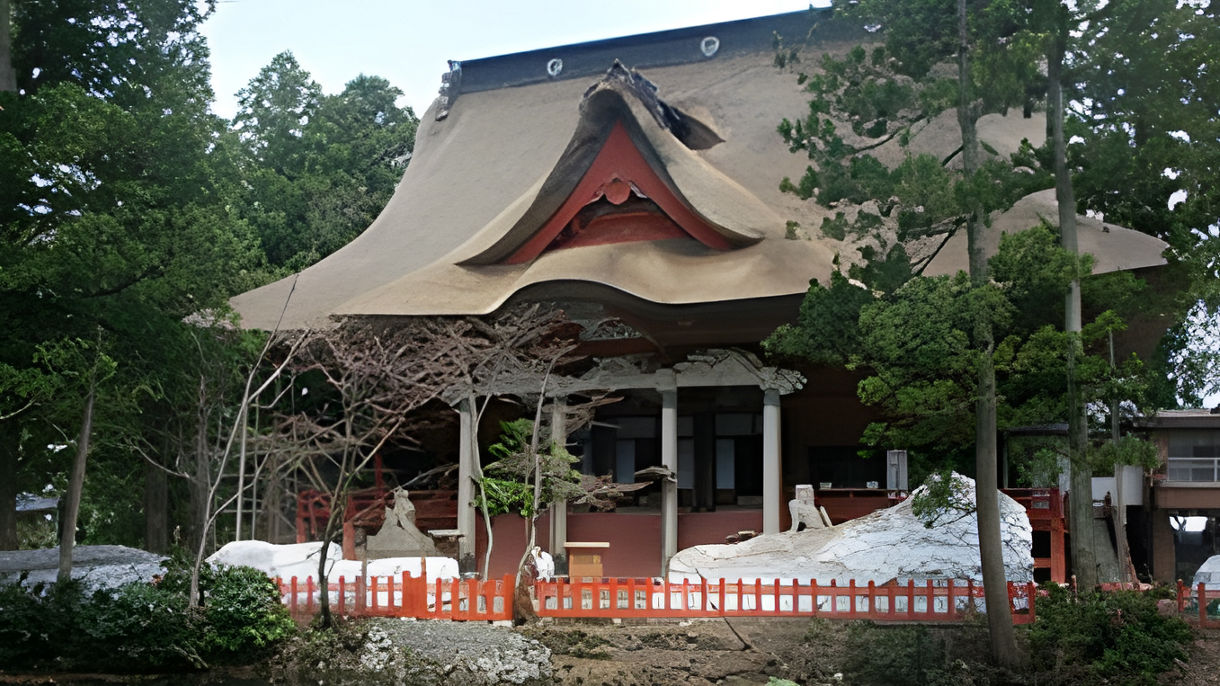
The graceful peaks of Mt. Gassan, Mt. Haguro and Mt. Yudono form a trinity of sacred mountains known as the Dewa Sanzan. The lowest, Mt. Haguro is the site of the Sanjin Gosaiden Shrine, where the deities of all three mountains are represented. This glorious scarlet shrine, topped by a six-foot-thick thatched roof, is a center for pilgrimage and considered one of the holiest areas in Japan.
Chido Museum
Founded in 1950 to promote local culture, the Chido Museum offers a glimpse into a storied past. The museum is joined on the site by several important buildings with a variety of architectural styles, including a historic district office, a cultural assets depository, a police station, and a stunning traditional Japanese Garden.
Zenpoji Temple
This serene site began its storied history when the Zen monk Myotatsu built a retreat between 938 and 946. Legend has it that the monk was visited by male and female serpent deities, Naga and Nagi, and the temple, rebuilt in 1933, is now known as a place to worship the dragon god. The site is also home to a five-story pagoda built to honor the fishes of the sea. It is the one of the rare temples in all of Japan.
WHAT YOU WILL SEE ALONG THE WAY:
A 60-minute drive brings you to Mount Haguro, one of the Three Mountains of Dewa in the Shonai area. Surrounding landscapes are punctuated by towering cedar trees that add shade and deep green hues to the temples, pagodas and shrines that stud the mountaintop. Long trails have been worn thin by the pilgrims who, since ancient times, have made the climb to the series of holy structures tucked into the remote setting.
LUNCH:
Shojin Ryoji - Vegetarian Buddhist cuisine
Points of interest
Go-jyu-No-Toh of Haguro
Schedule
Special Notes
Eating, drinking, and photographing are prohibited in the Sanjin Gosaiden Shrine. Also, visitors are required to remove their shoes.
Guests are required to go up and down over 600 stairs and walking Approx. 1km at Mt. Haguro. This tour is not suitable for guests with walking difficulties.
Shoes need to be removed at the Sanjin Gosaiden(lunch venue), Zenpoji Temple and the Chido Museum. Wear casual clothes, which may get dirty. Please bring a bottle of water and a towel.
Guests are required to walk approximately 100 steps one way to reach the main hall of Zenpoji Temple.
Exceptional Value
Book shore excursions with confidence! We offer competitive pricing, friendly service and unmatched destination expertise.
Strenuous Activity
Includes meal
Be sure to read the Special Notes further down this page for important requirements and restriction.
WHAT YOU WILL VISIT:
Go-ju-No-Toh (Five-story Pagoda)
Hidden in the hush of centuries-old cedar trees on the slopes of the sacred Mt. Haguro soars a five-story pagoda, designated as one of Japan's National Treasures. A stunning feat of engineering, the pagoda stands over 95 feet tall and was built without nails. This 600-year-old structure boasts a natural beauty and is made of unpainted and unlacquered wood. With each face carved to represent the four seasons, it is said to resemble a bird about to take flight.
Sanjin Gosaiden Shrine
The graceful peaks of Mt. Gassan, Mt. Haguro and Mt. Yudono form a trinity of sacred mountains known as the Dewa Sanzan. The lowest, Mt. Haguro is the site of the Sanjin Gosaiden Shrine, where the deities of all three mountains are represented. This glorious scarlet shrine, topped by a six-foot-thick thatched roof, is a center for pilgrimage and considered one of the holiest areas in Japan.
Chido Museum
Founded in 1950 to promote local culture, the Chido Museum offers a glimpse into a storied past. The museum is joined on the site by several important buildings with a variety of architectural styles, including a historic district office, a cultural assets depository, a police station, and a stunning traditional Japanese Garden.
Zenpoji Temple
This serene site began its storied history when the Zen monk Myotatsu built a retreat between 938 and 946. Legend has it that the monk was visited by male and female serpent deities, Naga and Nagi, and the temple, rebuilt in 1933, is now known as a place to worship the dragon god. The site is also home to a five-story pagoda built to honor the fishes of the sea. It is the one of the rare temples in all of Japan.
WHAT YOU WILL SEE ALONG THE WAY:
A 60-minute drive brings you to Mount Haguro, one of the Three Mountains of Dewa in the Shonai area. Surrounding landscapes are punctuated by towering cedar trees that add shade and deep green hues to the temples, pagodas and shrines that stud the mountaintop. Long trails have been worn thin by the pilgrims who, since ancient times, have made the climb to the series of holy structures tucked into the remote setting.
LUNCH:
Shojin Ryoji - Vegetarian Buddhist cuisine
Points of interest
Go-jyu-No-Toh of Haguro
Schedule
Special Notes
Eating, drinking, and photographing are prohibited in the Sanjin Gosaiden Shrine. Also, visitors are required to remove their shoes.
Guests are required to go up and down over 600 stairs and walking Approx. 1km at Mt. Haguro. This tour is not suitable for guests with walking difficulties.
Shoes need to be removed at the Sanjin Gosaiden(lunch venue), Zenpoji Temple and the Chido Museum. Wear casual clothes, which may get dirty. Please bring a bottle of water and a towel.
Guests are required to walk approximately 100 steps one way to reach the main hall of Zenpoji Temple.