Bita Paka War Cemetery, Kokopo War & Cultural Museum
Easy Activity
Be sure to read the Special Notes further down this page for important requirements and restriction.
The remarkable beauty and tumultuous history of New Britain Island await you on this amazing half-day sightseeing tour. The journey opens with a picturesque drive along Kokopo Road, a lush island throughway along which traces of the disastrous volcanic eruption of 1994 still remain in the form of trails and banks of ash along the roadside. Enjoy the views while traveling along the lower slopes of Mt. Vulcan, a magnificent volcano that erupted in 1937 and 1994, the latter of which destroyed the town of Rabaul.
Before long, arrive at Bita Paka War Cemetery, a stately burial ground that was established by the Army Graves Service in 1945 and eventually became the site of over 1,000 Allied graves for soldiers who died defending Rabaul from the Japanese during WWII or while being held as prisoners of war. The cemetery also features the Rabaul Memorial, which honors Royal Australian Army and Air Force members who lost their lives during the Second World War, and graves for Australians and Germans who died fighting while executing operations in the Occupation of New Guinea during WWI.
Continue inland past thriving coconut and cocoa plantations to reach Queen Emma's Steps, an expansive homestead that belonged to the wealthiest individual planter on the island, Queen Emma, until she sold her coconut plantations to Rudulf Wahlen, a German, in 1909. Born to a Samoan woman and an American man in 1850, Queen Emma developed into an influential businesswoman and socialite who lived a lavish, talked-about lifestyle. Snap photos of what remains of this once palatial estate.
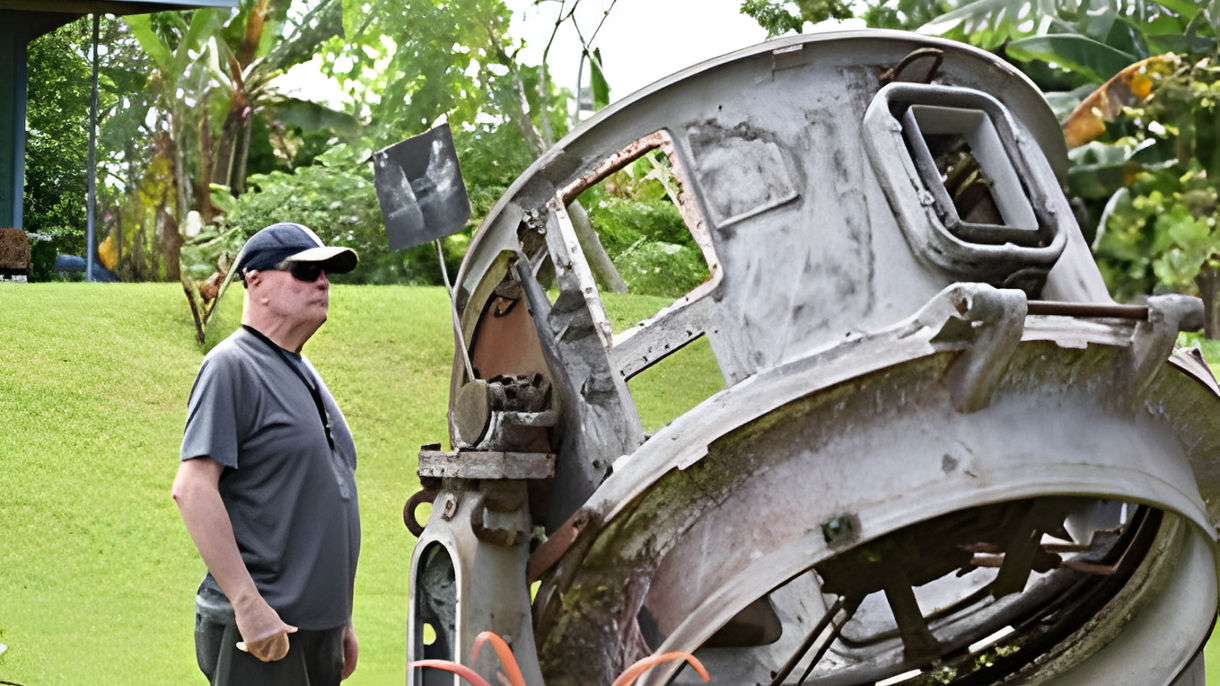
Back on the road, venture to the Kokopo War & Cultural Museum, which wows with its impressive collection of Japanese WWII relics, vehicles and weapons and historical photos and artifacts gathered during Japan's occupation of Rabaul. In addition, see compelling aircraft fuselage gathered during the last 60 years, including the painted nose cone of an American B-17 bomber that was, after many decades, located in the jungle by a surviving crew member.
The journey continues near Karavia Bay, a serene body of water that was a hub of activity during WWII. Here, marvel at a Japanese barge tunnel complete with five rusting barges still hiding inside. This cavernous, fortified space is part of a complex network of over 300 miles of tunnels constructed during occupation by the Japanese to conceal munitions stores, pathways from barracks to headquarters, and 15 hospitals, including one with the capacity to treat 2,500 patients. Snap photos of this remarkable feat of engineering before enjoying a scenic drive back to Rabaul.
Points of interest
Japanese Tunnels
Kokopo War & Cultural Museum
Schedule
Special Notes
Tour transportation is not equipped with air-conditioning or public address systems. Guides are not professionally trained and may be shy, but they possess local knowledge.
Local roads may be unpaved, bumpy and dusty; passengers with back conditions should take this into consideration. Order of attractions visited may vary
Exceptional Value
Book shore excursions with confidence! We offer competitive pricing, friendly service and unmatched destination expertise.
Easy Activity
Be sure to read the Special Notes further down this page for important requirements and restriction.
The remarkable beauty and tumultuous history of New Britain Island await you on this amazing half-day sightseeing tour. The journey opens with a picturesque drive along Kokopo Road, a lush island throughway along which traces of the disastrous volcanic eruption of 1994 still remain in the form of trails and banks of ash along the roadside. Enjoy the views while traveling along the lower slopes of Mt. Vulcan, a magnificent volcano that erupted in 1937 and 1994, the latter of which destroyed the town of Rabaul.
Before long, arrive at Bita Paka War Cemetery, a stately burial ground that was established by the Army Graves Service in 1945 and eventually became the site of over 1,000 Allied graves for soldiers who died defending Rabaul from the Japanese during WWII or while being held as prisoners of war. The cemetery also features the Rabaul Memorial, which honors Royal Australian Army and Air Force members who lost their lives during the Second World War, and graves for Australians and Germans who died fighting while executing operations in the Occupation of New Guinea during WWI.
Continue inland past thriving coconut and cocoa plantations to reach Queen Emma's Steps, an expansive homestead that belonged to the wealthiest individual planter on the island, Queen Emma, until she sold her coconut plantations to Rudulf Wahlen, a German, in 1909. Born to a Samoan woman and an American man in 1850, Queen Emma developed into an influential businesswoman and socialite who lived a lavish, talked-about lifestyle. Snap photos of what remains of this once palatial estate.
Back on the road, venture to the Kokopo War & Cultural Museum, which wows with its impressive collection of Japanese WWII relics, vehicles and weapons and historical photos and artifacts gathered during Japan's occupation of Rabaul. In addition, see compelling aircraft fuselage gathered during the last 60 years, including the painted nose cone of an American B-17 bomber that was, after many decades, located in the jungle by a surviving crew member.
The journey continues near Karavia Bay, a serene body of water that was a hub of activity during WWII. Here, marvel at a Japanese barge tunnel complete with five rusting barges still hiding inside. This cavernous, fortified space is part of a complex network of over 300 miles of tunnels constructed during occupation by the Japanese to conceal munitions stores, pathways from barracks to headquarters, and 15 hospitals, including one with the capacity to treat 2,500 patients. Snap photos of this remarkable feat of engineering before enjoying a scenic drive back to Rabaul.
Points of interest
Japanese Tunnels
Kokopo War & Cultural Museum
Schedule
Special Notes
Tour transportation is not equipped with air-conditioning or public address systems. Guides are not professionally trained and may be shy, but they possess local knowledge.
Local roads may be unpaved, bumpy and dusty; passengers with back conditions should take this into consideration. Order of attractions visited may vary