Show More
Maya Tree Of Life & Chocolate Discovery
Moderate Activity
Be sure to read the Special Notes further down this page for important requirements and restriction.
The pre-Columbian archaeological site of Izapa is believed to be the origin of the sacred Mayan calendar. Often referred to as the "birthplace of time," the ruins were an important Mayan trade center to be visited by history enthusiasts and chocolate lovers. Yes, chocolate. Not only was Izapa a major cacao producer but this four-hour excursion will also showcase the ancient civilization's sweet legacy with a demonstration of chocolate making in a nearby village.
Admire the mango, banana and cocoa orchards as you travel north from Puerto Chiapas into the Soconusco region. Just 45 minutes later, you'll arrive at Izapa, one of the most interesting Mayan sites in the region and the setting of the first human settlers about 3,500 years ago. During your guided tour you'll find yourself in the middle of an ancient square surrounded by four main pyramids still covered by grass and trees, and several stelae on which you can still see the carvings depicting mythologic Mayan characters that date roughly from 300 B.C. to 100 B.C.
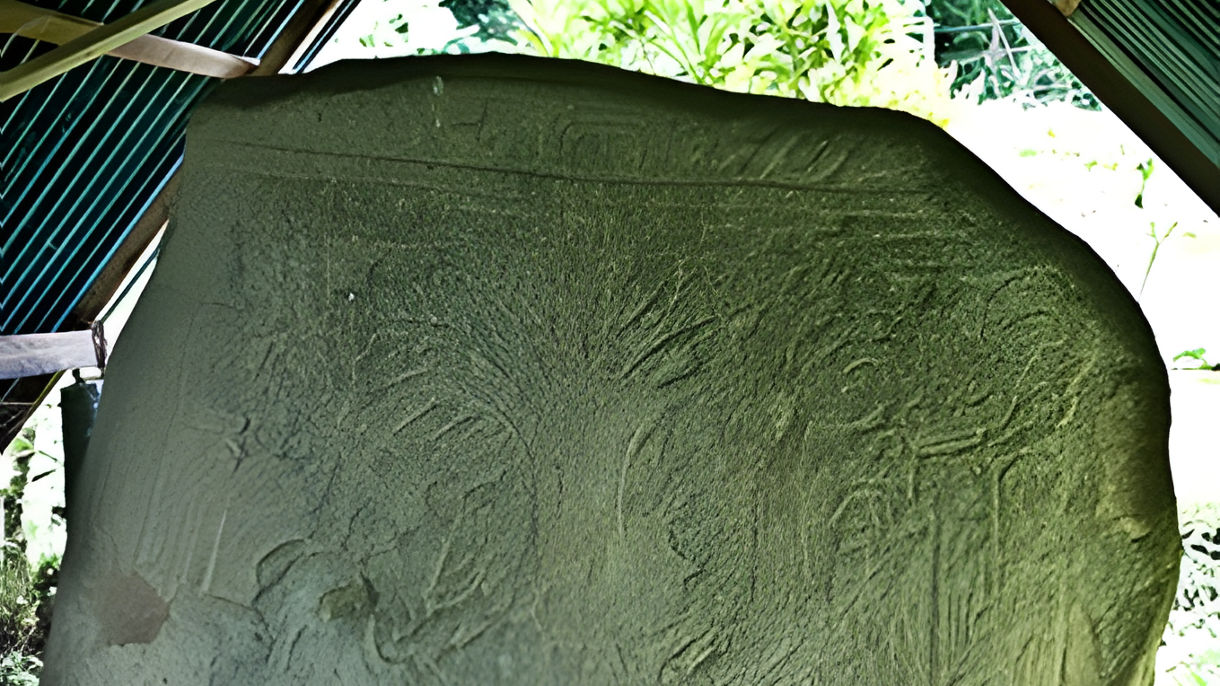
One of the most interesting relics at Izapa is Stela 5 in Section A, which depicts the Mayan Tree of Life. A common symbol in many cultures representing the underworld, earth and heaven, the complex carving also depicts human figures, animals and more.
Izapa was a fertile area that specialized in the production of cacao but around 1200 A.D. it was abandoned. At the time of the Spanish conquest, the Aztecs had conquered the area and continued to plant cacao trees. In time, cacao beans were traded throughout the region and used in Middle America as a form of currency.
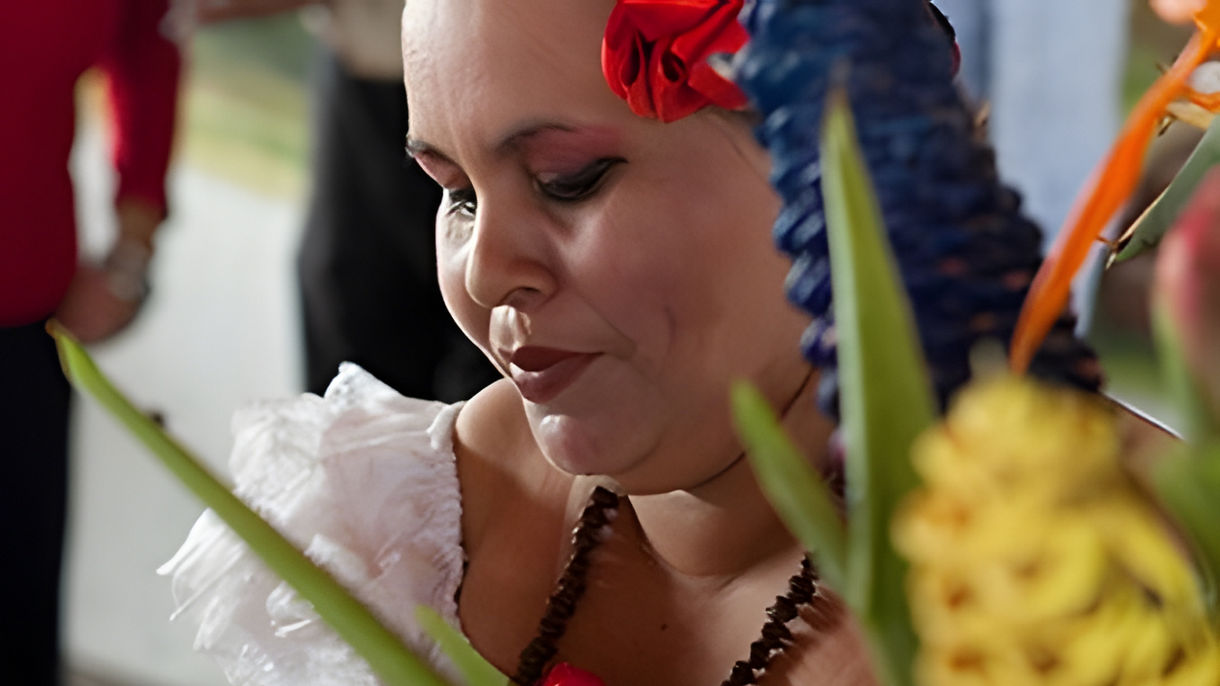
At the conclusion of your tour you'll climb back aboard your minibus for a short drive to a nearby village where you'll learn about the discovery and history of the sacred cacao bean and its importance to the Mayan people. When you enter the village you'll disembark at the town square and watch chocolate making demonstrations, as well as see local handicrafts and flowers on display. As you stroll through the plaza you'll be entertained by a lively performance by dancers and marimba players.
After a short stop for photos at a local church, you'll reboard your minibus and travel back to the pier along the same scenic route.
Points of interest
Izapa Archaeological Site
Tree of Life Stone Carving
Chocolate
Schedule
Special Notes
Tour sequence may vary. Participants must be able to negotiate 2 to 3 steps up into the transportation. The day can be hot and muggy so it's advised that you wear light, comfortable clothing and a hat. The ruins are located on wet and hilly land made of volcanic soil so closed-toe walking shoes are recommended. Be sure to put on plenty of sunscreen and insect repellant and to bring bottled water. And don't forget a camera or video recorder to capture the stunning sights (there is a $5 fee for video cameras).
Exceptional Value
Book shore excursions with confidence! We offer competitive pricing, friendly service and unmatched destination expertise.
Moderate Activity
Be sure to read the Special Notes further down this page for important requirements and restriction.
The pre-Columbian archaeological site of Izapa is believed to be the origin of the sacred Mayan calendar. Often referred to as the "birthplace of time," the ruins were an important Mayan trade center to be visited by history enthusiasts and chocolate lovers. Yes, chocolate. Not only was Izapa a major cacao producer but this four-hour excursion will also showcase the ancient civilization's sweet legacy with a demonstration of chocolate making in a nearby village.
Admire the mango, banana and cocoa orchards as you travel north from Puerto Chiapas into the Soconusco region. Just 45 minutes later, you'll arrive at Izapa, one of the most interesting Mayan sites in the region and the setting of the first human settlers about 3,500 years ago. During your guided tour you'll find yourself in the middle of an ancient square surrounded by four main pyramids still covered by grass and trees, and several stelae on which you can still see the carvings depicting mythologic Mayan characters that date roughly from 300 B.C. to 100 B.C.
One of the most interesting relics at Izapa is Stela 5 in Section A, which depicts the Mayan Tree of Life. A common symbol in many cultures representing the underworld, earth and heaven, the complex carving also depicts human figures, animals and more.
Izapa was a fertile area that specialized in the production of cacao but around 1200 A.D. it was abandoned. At the time of the Spanish conquest, the Aztecs had conquered the area and continued to plant cacao trees. In time, cacao beans were traded throughout the region and used in Middle America as a form of currency.
At the conclusion of your tour you'll climb back aboard your minibus for a short drive to a nearby village where you'll learn about the discovery and history of the sacred cacao bean and its importance to the Mayan people. When you enter the village you'll disembark at the town square and watch chocolate making demonstrations, as well as see local handicrafts and flowers on display. As you stroll through the plaza you'll be entertained by a lively performance by dancers and marimba players.
After a short stop for photos at a local church, you'll reboard your minibus and travel back to the pier along the same scenic route.
Points of interest
Izapa Archaeological Site
Tree of Life Stone Carving
Chocolate
Schedule
Special Notes
Tour sequence may vary. Participants must be able to negotiate 2 to 3 steps up into the transportation. The day can be hot and muggy so it's advised that you wear light, comfortable clothing and a hat. The ruins are located on wet and hilly land made of volcanic soil so closed-toe walking shoes are recommended. Be sure to put on plenty of sunscreen and insect repellant and to bring bottled water. And don't forget a camera or video recorder to capture the stunning sights (there is a $5 fee for video cameras).