Show More
Best of Kyoto: Golden Pavilion, Nijo Castle & Heian Shrine
Moderate Activity
Includes meal
Shopping Opportunities
Be sure to read the Special Notes further down this page for important requirements and restriction.
WHAT YOU VISIT
Nijo Castle
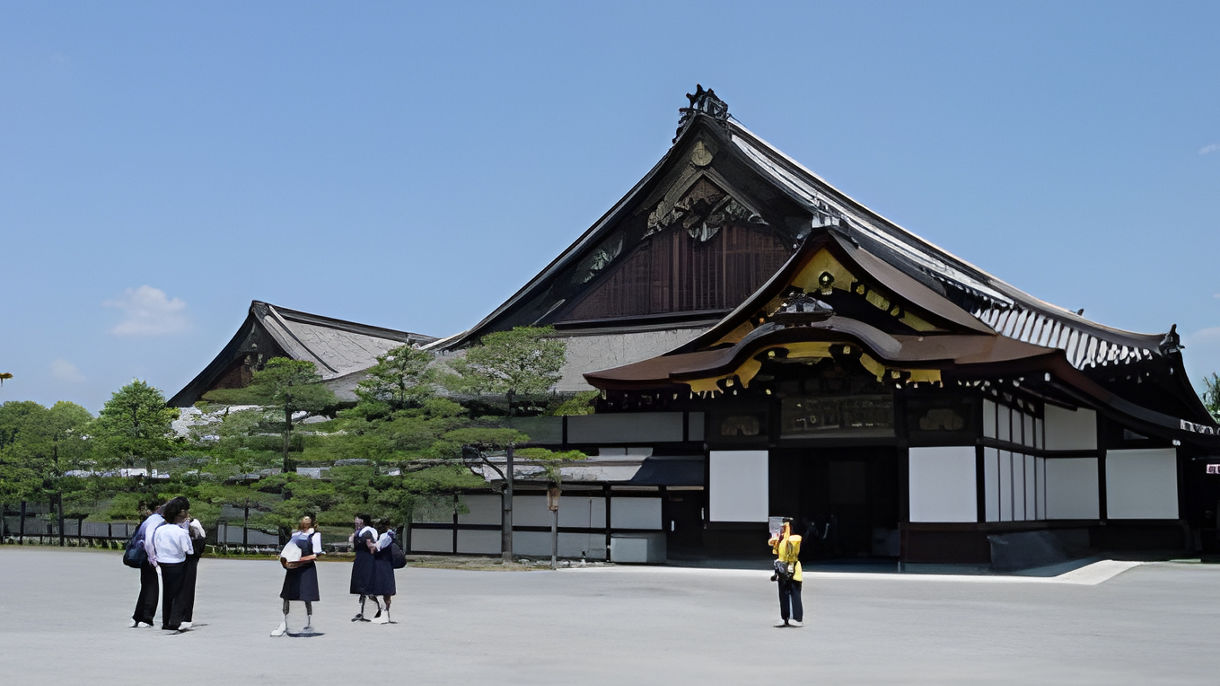
Recognized as a UNESCO World Heritage Site, Nijo Castle is the best surviving example of castle architecture of Japan's feudal era in the 17th century. It's easy to fall under the spell of this magical place. Built almost entirely out of cypress, the extravagant interiors are lavished with gold leaf and elaborate woodcarvings. For the shogun's protection, the builders of Nijo Castle constructed what's known as "nightingale" floors; if an intruder entered the corridors, the floors would squeak like birds. Some of the rooms in the castle also feature special doors and secret rooms where bodyguards would hide.
Heian Shrine
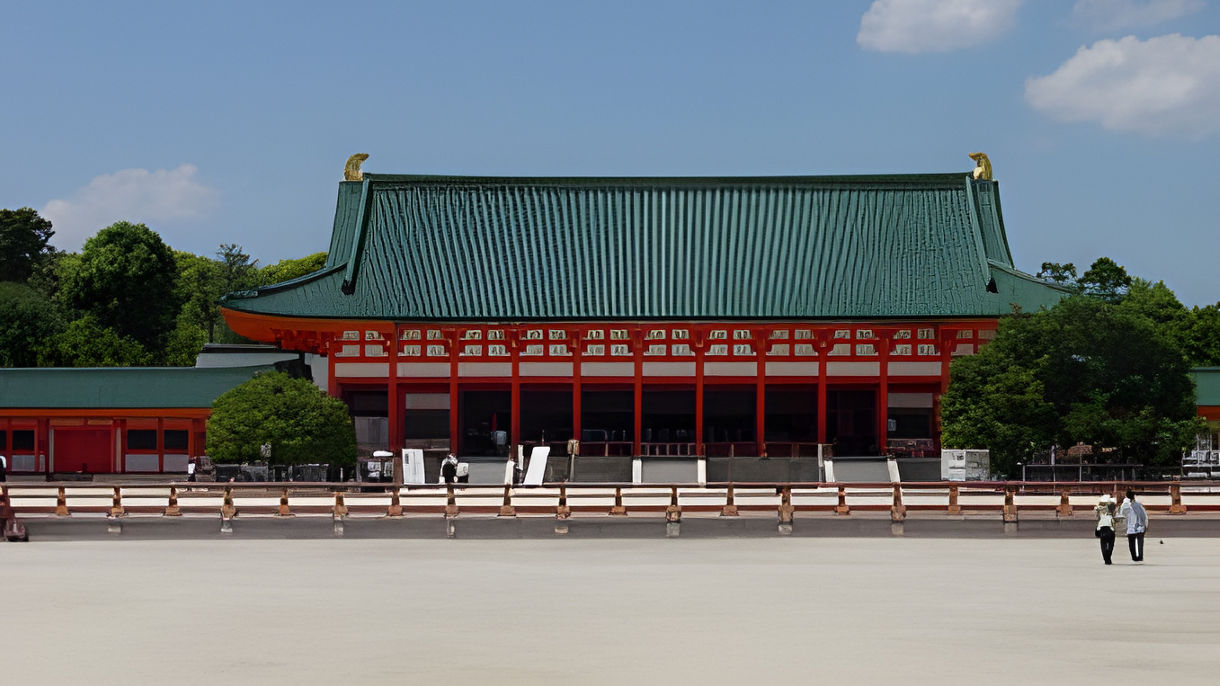
Also known as the Shrine of Peace, Heian is acclaimed as one of the most important and visually impressive Shinto shrines in Kyoto. Dedicated to the spirits of the first and last emperors who reigned from the city, the 8278-foot-tall torii gate was built in 1895 to commemorate Kyoto's founding in 795.
PHOTO OPPORTUNITY
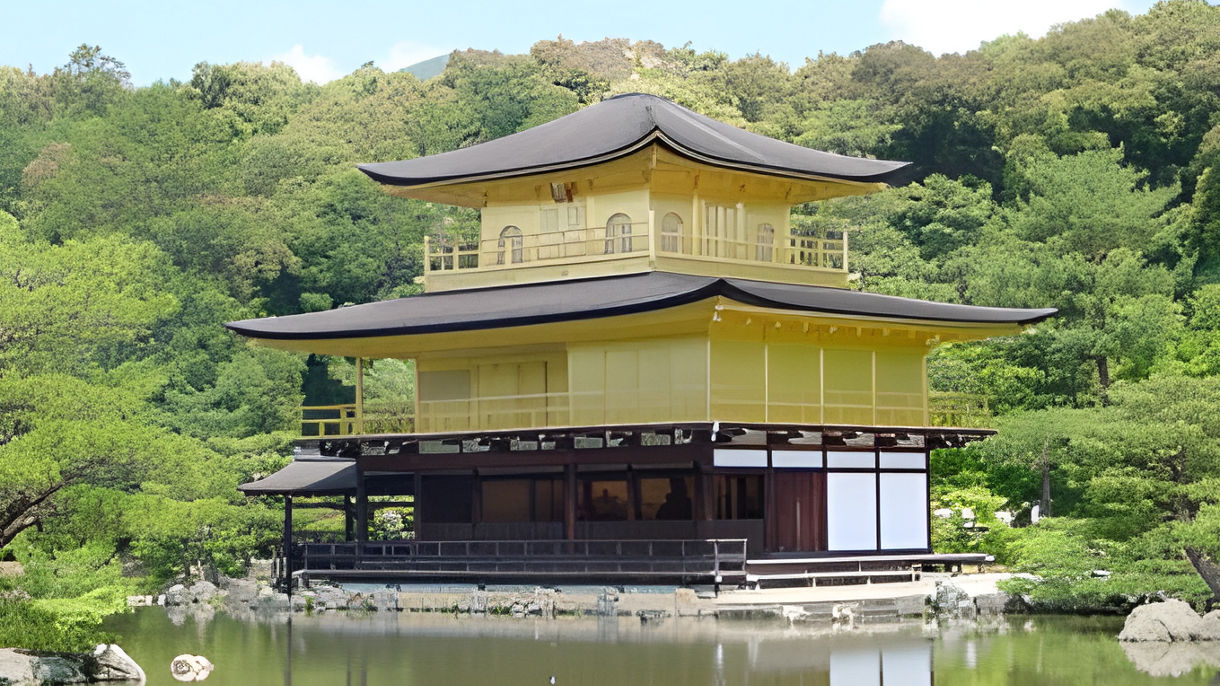
While photography and video are not permitted inside Nijo Castle (Ninomaru Palace) and the Heian Shrine (Shinto Altar), your outside visit to the Golden Pavilion provides plenty of photo-worthy shots. Listed as a UNESCO World Heritage Site and a National Special Historic Site, the Pavilion is one of the most popular attractions in Japan. Built in 1397 as a shogun's retirement villa and converted to a Zen temple upon his death, it sits in the center of a magnificent garden with a wooden pavilion that extends over a reflecting pond. But the most notable feature is its glimmering exterior - gold leaf gilds the upper two stories. Destroyed by fire in 1950, the pavilion to see today was rebuilt just three years later.
SHOPPING
You're off to the Kyoto Handicraft Center where you're free to shop for traditional crafts, clothing, souvenirs and more.
WHAT YOU SEE ALONG THE WAY
Once you're out of Osaka, you'll travel 90 minutes to Kyoto. Originally the seat of Japan's imperial court from 794 to 1868, Kyoto today remains the cultural capital of Japan. As you make your way through the countryside, you'll pass such notable landmarks as Toji Temple, which at 180 feet, is the tallest wooden pagoda in Japan; and the Kyoto Tower, Kyoto's tallest modern structure.
Points of interest
Kinkakuji: Golden Pavilion
Nijo Castle
Schedule
Special Notes
The drive between Osaka and Kyoto is approximately 90 minutes each way. Passengers should expect traffic and delays.
Photography and video are not permitted inside Nijo Castle (Ninomaru Palace) and the Heian Shrine (Shinto Altar).
Long term restoration work is carried out at Haian Shrine until 2030.
Shoes must be removed to enter Nijo Castle (Ninomaru Palace).
We will enter the Ninomaru Palace, but not the Honmaru Palace.
There are around 40 minutes walking at Kinkaku-ji Temple and Heian-jingu Shrine.
30 steps are required to negotiate to get through the path in the Kinkakuji Temple. We will have more than 2.5hours walking in total with some steps or taking off shoes.
At Kyoto Handycraft Center, passport needs to be presented for duty free shopping. This tour is not recommended for passengers with walking difficulties. Japanese Yen is required for additional purchases
The order of touring is subject to change due to traffic conditions.
Exceptional Value
Book shore excursions with confidence! We offer competitive pricing, friendly service and unmatched destination expertise.
Moderate Activity
Includes meal
Shopping Opportunities
Be sure to read the Special Notes further down this page for important requirements and restriction.
WHAT YOU VISIT
Nijo Castle
Recognized as a UNESCO World Heritage Site, Nijo Castle is the best surviving example of castle architecture of Japan's feudal era in the 17th century. It's easy to fall under the spell of this magical place. Built almost entirely out of cypress, the extravagant interiors are lavished with gold leaf and elaborate woodcarvings. For the shogun's protection, the builders of Nijo Castle constructed what's known as "nightingale" floors; if an intruder entered the corridors, the floors would squeak like birds. Some of the rooms in the castle also feature special doors and secret rooms where bodyguards would hide.
Heian Shrine
Also known as the Shrine of Peace, Heian is acclaimed as one of the most important and visually impressive Shinto shrines in Kyoto. Dedicated to the spirits of the first and last emperors who reigned from the city, the 8278-foot-tall torii gate was built in 1895 to commemorate Kyoto's founding in 795.
PHOTO OPPORTUNITY
While photography and video are not permitted inside Nijo Castle (Ninomaru Palace) and the Heian Shrine (Shinto Altar), your outside visit to the Golden Pavilion provides plenty of photo-worthy shots. Listed as a UNESCO World Heritage Site and a National Special Historic Site, the Pavilion is one of the most popular attractions in Japan. Built in 1397 as a shogun's retirement villa and converted to a Zen temple upon his death, it sits in the center of a magnificent garden with a wooden pavilion that extends over a reflecting pond. But the most notable feature is its glimmering exterior - gold leaf gilds the upper two stories. Destroyed by fire in 1950, the pavilion to see today was rebuilt just three years later.
SHOPPING
You're off to the Kyoto Handicraft Center where you're free to shop for traditional crafts, clothing, souvenirs and more.
WHAT YOU SEE ALONG THE WAY
Once you're out of Osaka, you'll travel 90 minutes to Kyoto. Originally the seat of Japan's imperial court from 794 to 1868, Kyoto today remains the cultural capital of Japan. As you make your way through the countryside, you'll pass such notable landmarks as Toji Temple, which at 180 feet, is the tallest wooden pagoda in Japan; and the Kyoto Tower, Kyoto's tallest modern structure.
Points of interest
Kinkakuji: Golden Pavilion
Nijo Castle
Schedule
Special Notes
The drive between Osaka and Kyoto is approximately 90 minutes each way. Passengers should expect traffic and delays.
Photography and video are not permitted inside Nijo Castle (Ninomaru Palace) and the Heian Shrine (Shinto Altar).
Long term restoration work is carried out at Haian Shrine until 2030.
Shoes must be removed to enter Nijo Castle (Ninomaru Palace).
We will enter the Ninomaru Palace, but not the Honmaru Palace.
There are around 40 minutes walking at Kinkaku-ji Temple and Heian-jingu Shrine.
30 steps are required to negotiate to get through the path in the Kinkakuji Temple. We will have more than 2.5hours walking in total with some steps or taking off shoes.
At Kyoto Handycraft Center, passport needs to be presented for duty free shopping. This tour is not recommended for passengers with walking difficulties. Japanese Yen is required for additional purchases
The order of touring is subject to change due to traffic conditions.