Show More
Battle of Okinawa
Moderate Activity
Be sure to read the Special Notes further down this page for important requirements and restriction.
WHAT YOU VISIT
The Former Japanese Navy Underground Headquarters
This tunnel complex built in 1944 served as an underground headquarters by 3,000 men of the Yamane Division of the Japanese Navy Engineering Corps. Located on a hill 242 feet above sea level, it overlooks the airport and port. Dug 65-feet-deep, you'll descend 105 steps down through the 1,476-foot-long underground air-raid shelter that was solidly built with concrete to endure the violent bombardments of the U.S. armed forces and to allow long-drawn-out fighting. Inside you'll find the commanding officer's room, staff and equipment rooms.
Himeyuri Peace Museum and Himeyuri Monument
Established in 1989, the museum displays photos and personal effects of hundreds of female high school students who worked as nurse assistants in army field hospitals during the Battle of Okinawa. Testimonies from the surviving members of the group serve as a moving memorial and reminder of the miseries of war, the importance of peace, and the preciousness of life. The nearby monument is dedicated to those who served and especially to those that perished in the battle.
Peace Memorial Park and Okinawa Prefecture Peace Memorial Museum
Located where the final Okinawa battle took place, the museum gives an overview of the historical events leading up to the battle, the battle itself, and the aftermath and reconstruction. The nearby "Cornerstone of Peace" commemorates the 50th anniversary of the battle and the end of the war. Its purpose is to commemorate those who were perished, including the more than 240,000 civilian and military citizens who lost their lives.
PHOTO OPPORTUNITY
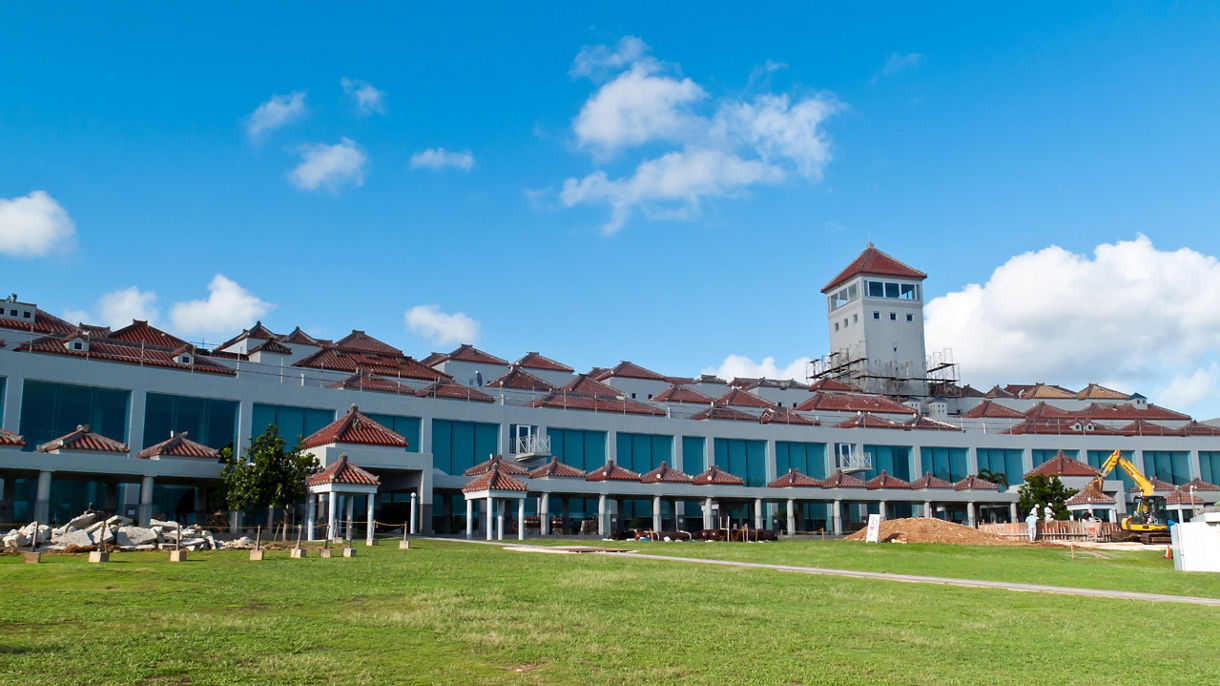
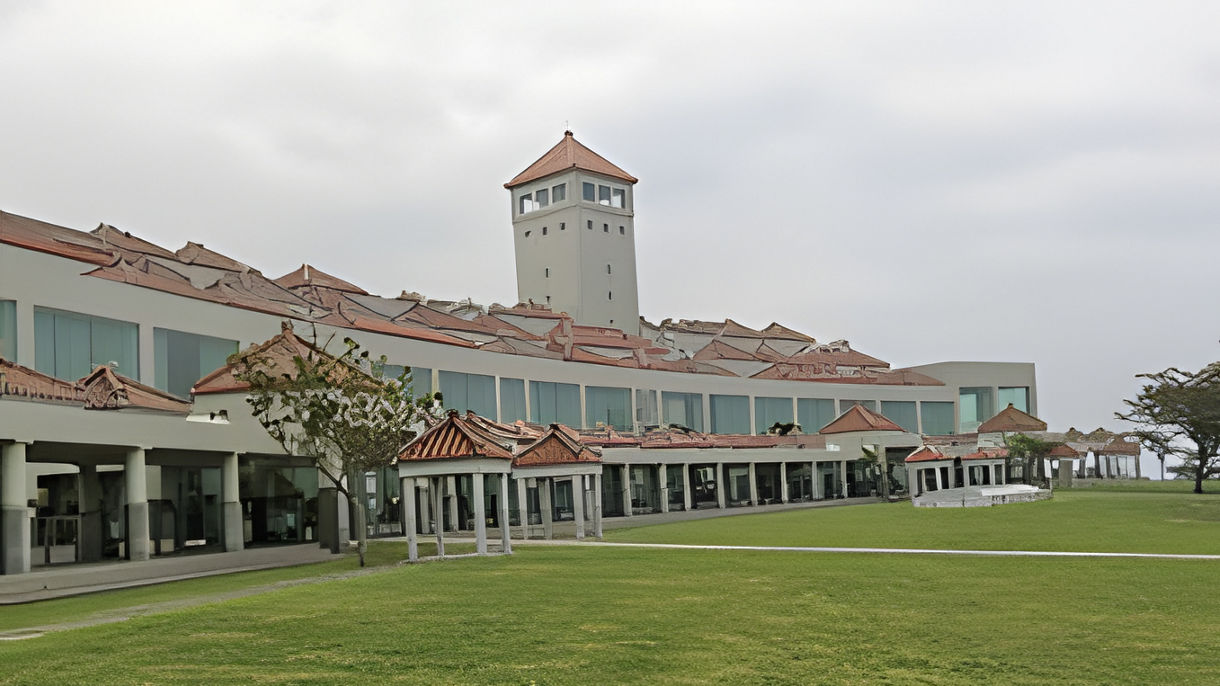
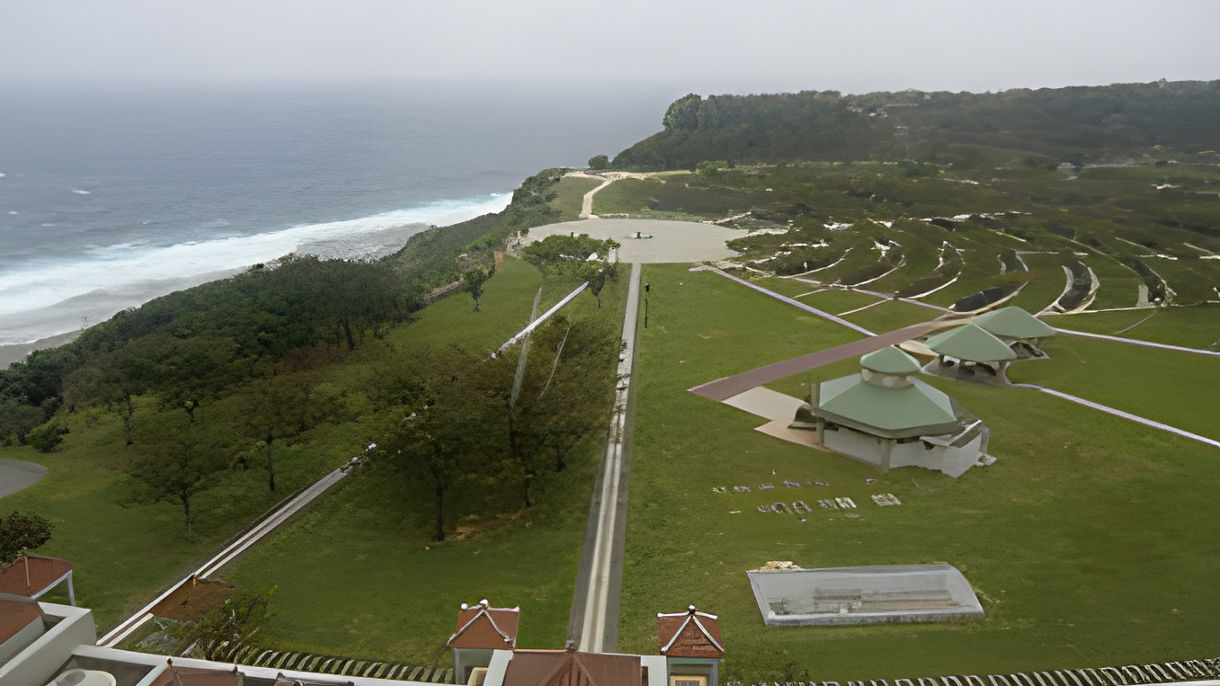
Pause at the entrance of the Japanese Navy Underground Headquarters where a raised platform provides a stunning and meditative view of the surrounding area. And among the serene surroundings of Peace Memorial Park, you have picture-perfect views of the rugged and beautiful coastline.
WHAT YOU SEE ALONG THE WAY
During the 30-minute drive to the Japanese Navy Underground Headquarters, it's sobering to know that the Battle of Okinawa was the last major battle of World War II, and one of the bloodiest. On April 1, 1945-Easter Sunday-the Navy's Fifth Fleet and more than 180,000 U.S. Army and U.S. Marine Corps troops descended on the Pacific island of Okinawa for a final push towards Japan in the waning days of World War II.
Points of interest
The Former Japanese Navy Underground Headquarters
Peace Memorial Park and Okinawa Prefecture Peace Memorial Museum
Schedule
Special Notes
Wheelchair is not accessible in the Former Japanese Navy Underground Headquarters. Okinawa Peace Memorial Museum is closed from Dec 29 to Jan 3, June 23 (Okinawa Memorial Day) and the first Sunday in December.
Exceptional Value
Book shore excursions with confidence! We offer competitive pricing, friendly service and unmatched destination expertise.
Moderate Activity
Be sure to read the Special Notes further down this page for important requirements and restriction.
WHAT YOU VISIT
The Former Japanese Navy Underground Headquarters
This tunnel complex built in 1944 served as an underground headquarters by 3,000 men of the Yamane Division of the Japanese Navy Engineering Corps. Located on a hill 242 feet above sea level, it overlooks the airport and port. Dug 65-feet-deep, you'll descend 105 steps down through the 1,476-foot-long underground air-raid shelter that was solidly built with concrete to endure the violent bombardments of the U.S. armed forces and to allow long-drawn-out fighting. Inside you'll find the commanding officer's room, staff and equipment rooms.
Himeyuri Peace Museum and Himeyuri Monument
Established in 1989, the museum displays photos and personal effects of hundreds of female high school students who worked as nurse assistants in army field hospitals during the Battle of Okinawa. Testimonies from the surviving members of the group serve as a moving memorial and reminder of the miseries of war, the importance of peace, and the preciousness of life. The nearby monument is dedicated to those who served and especially to those that perished in the battle.
Peace Memorial Park and Okinawa Prefecture Peace Memorial Museum
Located where the final Okinawa battle took place, the museum gives an overview of the historical events leading up to the battle, the battle itself, and the aftermath and reconstruction. The nearby "Cornerstone of Peace" commemorates the 50th anniversary of the battle and the end of the war. Its purpose is to commemorate those who were perished, including the more than 240,000 civilian and military citizens who lost their lives.
PHOTO OPPORTUNITY
Pause at the entrance of the Japanese Navy Underground Headquarters where a raised platform provides a stunning and meditative view of the surrounding area. And among the serene surroundings of Peace Memorial Park, you have picture-perfect views of the rugged and beautiful coastline.
WHAT YOU SEE ALONG THE WAY
During the 30-minute drive to the Japanese Navy Underground Headquarters, it's sobering to know that the Battle of Okinawa was the last major battle of World War II, and one of the bloodiest. On April 1, 1945-Easter Sunday-the Navy's Fifth Fleet and more than 180,000 U.S. Army and U.S. Marine Corps troops descended on the Pacific island of Okinawa for a final push towards Japan in the waning days of World War II.
Points of interest
The Former Japanese Navy Underground Headquarters
Peace Memorial Park and Okinawa Prefecture Peace Memorial Museum
Schedule
Special Notes
Wheelchair is not accessible in the Former Japanese Navy Underground Headquarters. Okinawa Peace Memorial Museum is closed from Dec 29 to Jan 3, June 23 (Okinawa Memorial Day) and the first Sunday in December.