Nagoya Castle, Atsuta Shrine & Osu Kannon Temple
Moderate Activity
Shopping Opportunities
Be sure to read the Special Notes further down this page for important requirements and restriction.
WHAT YOU VISIT
Nagoya Castle Hommaru Palace
Originally built in 1612 by the first Shogun Ieyasu for his son as a residence and reception hall, the palace was considered a masterpiece with richly decorated gold- covered walls and screens. The palace and most of Nagoya Castle were destroyed in aerial bombings just months before the end of WWII but the palace has been authentically rebuilt by traditional Japanese craftsmen using traditional techniques and materials.
Osu Kannon Temple
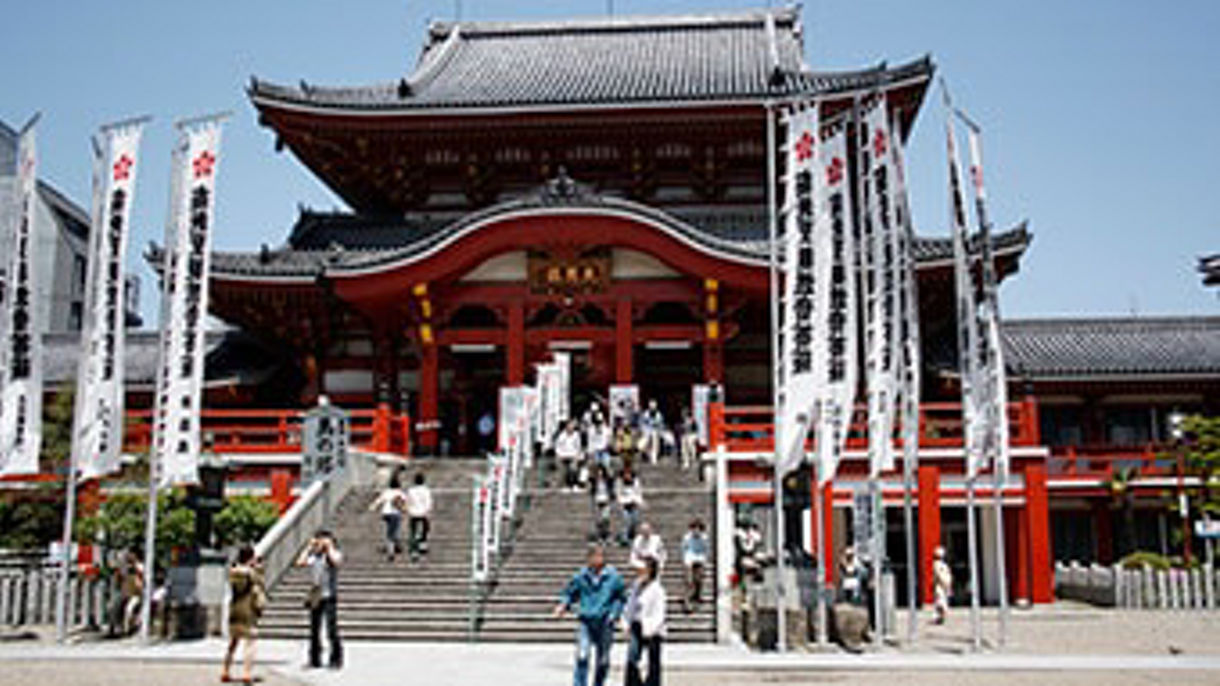
Located in the nearby village of Osu, the Buddhist temple was moved to its present spot in 1612 by a Tokugawa shogun. Damaged by fire and World War II, the beloved temple is a replica of its original 14th century design. Prayer flags and red lanterns greet worshippers at the main hall where you can purchase an "omamori," a good luck charm. Step inside the five-storied pagoda and be rewarded with sacred treasures such as the statue of Kannon-sama, the Buddhist Goddess of Mercy.
Atsuta Shrine
Founded in 113 A.D., the shrine is nestled within wooded parklands dotted with lovely streams. Legend has it that the shrine was created as the repository for the Kusanagi no Tsurugi – the sacred sword that is one of the Three Imperial Treasures. (Kusanagi no Tsurugi is in treasure hall that entrance fees are not included in the tour).
PHOTO OPPORTUNITY
Step into Hommaru Palace and you'll be awed by its magnificence. Noted as "the finest example of classic Shoin-zukuri" (architectural style for samurai residences), the partitions and screens in the Omote Shoin (main hall) are decorated in gold, with lifelike and powerful drawings of tigers and pine trees. There are approximately 3,000 kazari-kanagu (decorative metal fittings) in a variety of designs that are used to hide nails and each one was handmade by artisans and has intricate decorations.
WHAT YOU SEE ALONG THE WAY
The authentic beauty of Nagoya comes to life when you discover its charms during a one-hour scenic coach ride to the Nagoya Castle Hommaru Palace.
Points of interest
Nagoya Castle
Atsuta Shrine
Schedule
Special Notes
The main castle tower of Nagoya Castle is under renovation. At Hommaru Palace, lines may be experienced to enter the building, shoes need to be removed, and backpacks and large bags need to be stored in a locker at the entrance.
Exceptional Value
Book shore excursions with confidence! We offer competitive pricing, friendly service and unmatched destination expertise.
Moderate Activity
Shopping Opportunities
Be sure to read the Special Notes further down this page for important requirements and restriction.
WHAT YOU VISIT
Nagoya Castle Hommaru Palace
Originally built in 1612 by the first Shogun Ieyasu for his son as a residence and reception hall, the palace was considered a masterpiece with richly decorated gold- covered walls and screens. The palace and most of Nagoya Castle were destroyed in aerial bombings just months before the end of WWII but the palace has been authentically rebuilt by traditional Japanese craftsmen using traditional techniques and materials.
Osu Kannon Temple
Located in the nearby village of Osu, the Buddhist temple was moved to its present spot in 1612 by a Tokugawa shogun. Damaged by fire and World War II, the beloved temple is a replica of its original 14th century design. Prayer flags and red lanterns greet worshippers at the main hall where you can purchase an "omamori," a good luck charm. Step inside the five-storied pagoda and be rewarded with sacred treasures such as the statue of Kannon-sama, the Buddhist Goddess of Mercy.
Atsuta Shrine
Founded in 113 A.D., the shrine is nestled within wooded parklands dotted with lovely streams. Legend has it that the shrine was created as the repository for the Kusanagi no Tsurugi – the sacred sword that is one of the Three Imperial Treasures. (Kusanagi no Tsurugi is in treasure hall that entrance fees are not included in the tour).
PHOTO OPPORTUNITY
Step into Hommaru Palace and you'll be awed by its magnificence. Noted as "the finest example of classic Shoin-zukuri" (architectural style for samurai residences), the partitions and screens in the Omote Shoin (main hall) are decorated in gold, with lifelike and powerful drawings of tigers and pine trees. There are approximately 3,000 kazari-kanagu (decorative metal fittings) in a variety of designs that are used to hide nails and each one was handmade by artisans and has intricate decorations.
WHAT YOU SEE ALONG THE WAY
The authentic beauty of Nagoya comes to life when you discover its charms during a one-hour scenic coach ride to the Nagoya Castle Hommaru Palace.
Points of interest
Nagoya Castle
Atsuta Shrine
Schedule
Special Notes
The main castle tower of Nagoya Castle is under renovation. At Hommaru Palace, lines may be experienced to enter the building, shoes need to be removed, and backpacks and large bags need to be stored in a locker at the entrance.