Best of Nagoya
Moderate Activity
Includes meal
Be sure to read the Special Notes further down this page for important requirements and restriction.
WHAT YOU WILL VISIT:
Hommaru Palace at Nagoya Castle
The original Hommaru Palace was built in 1615 by the order of the first Shogun Ieyasu TOKUGAWA. It was a residence of shogun and also served as an audience hall. The original palace was noted as a masterpiece and a finest example of Bukefu-shoin Style building along with the Ninomaru Palace of Nijo castle in Kyoto. In 1945, this famed palace was burnt down due to a fire during the WWll along with the main castle building. The palace was reconstructed and completed in 2018 after approximately 10 years of work. Skillful artisans and craftsmen worked on the process using the traditional techniques and materials, referring to the vast research materials regarding the palace. At the palace, you will see gorgeous Kano Style sliding door paintings of tigers and bamboos. Also, you will notice Ranma, intricate wooden works above the sliding doors, and lovely metal decorations you see here and there, such as handles on the sliding doors and gables. Indulge yourself in the flamboyant lifestyle of the shogun at the palace.
Toyota Commemorative Museum of Industry and Technology
This fascinating museum traces the importance of innovation and creativity in the development of industrial technology. It also reflects the evolution of Toyota from a manufacturer of industrial looms to an automotive and corporate giant. Exhibit halls with interactive displays focus on 100 years of traditions and state-of-the-art technology demonstrations showcasing the impact of technological development on manufacturing
Noritake Garden
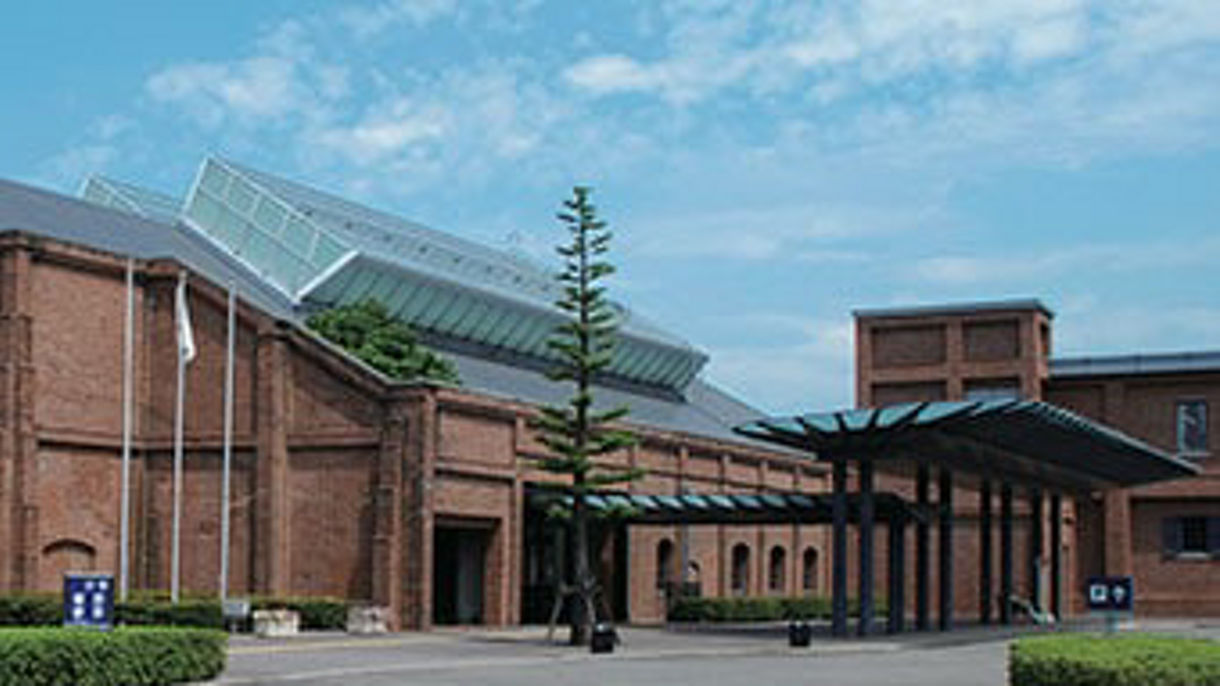
The red-brick factory building marks the origins of Noritake as a modern ceramics manufacturer and is where the company leaped onto the world stage. Morimura-gumi, the trading company established by Ichizaemon Morimura, built Nippon Toki Gomei Kaisha as its first factory in 1904 in order to manufacture pottery. This factory, which operated until 1975 and exudes a charming atmosphere, is without a doubt symbolic of Japan's western tableware history.
Atsuta Shrine
Nestled within wooded parklands with lovely streams, Atsuta Shrine is mentioned in the 'Kojiki', a chronicle of Japan compiled in the 8th century. Legend has it that the shrine was created as the repository for the Kusanagi no Tsurugi – the sacred sword that is one of the Three Imperial Treasures. (Kusanagi no Tsurugi is in treasure hall that entrance fees are not included in the tour). The spiritual atmosphere makes for a tranquil experience.
What you will see along the way:
WHAT YOU WILL SEE ALONG THE WAY:
A modern, prosperous city with a beautifully planned urban center, Nagoya delights with its wide streets lined with art galleries, historic temples, architecturally designed museums and cultural boutiques:
LUNCH:
At a local restaurant
Shopping:
Noritake Garden shops offer high-quality ceramic goods, gifts, and tableware for the home or professional settings.
Points of interest
Nagoya Castle
Atsuta Shrine
Toyota Commemorative Museum of Industry and Technology
Schedule
Special Notes
The main castle tower of Nagoya Castle is under renovation. At Hommaru Palace, lines may be experienced to enter the building, shoes need to be removed, and backpacks and large bags need to be stored in a locker at the entrance. Wheelchair users can access the building from a different exit with a slope. If you wish to visit the museum at Atsuta Shrine, bring local currency as the entrance fee must be paid in cash in Japanese yen. Kusanagi Tour is not available on Mondays.
Exceptional Value
Book shore excursions with confidence! We offer competitive pricing, friendly service and unmatched destination expertise.
Moderate Activity
Includes meal
Be sure to read the Special Notes further down this page for important requirements and restriction.
WHAT YOU WILL VISIT:
Hommaru Palace at Nagoya Castle
The original Hommaru Palace was built in 1615 by the order of the first Shogun Ieyasu TOKUGAWA. It was a residence of shogun and also served as an audience hall. The original palace was noted as a masterpiece and a finest example of Bukefu-shoin Style building along with the Ninomaru Palace of Nijo castle in Kyoto. In 1945, this famed palace was burnt down due to a fire during the WWll along with the main castle building. The palace was reconstructed and completed in 2018 after approximately 10 years of work. Skillful artisans and craftsmen worked on the process using the traditional techniques and materials, referring to the vast research materials regarding the palace. At the palace, you will see gorgeous Kano Style sliding door paintings of tigers and bamboos. Also, you will notice Ranma, intricate wooden works above the sliding doors, and lovely metal decorations you see here and there, such as handles on the sliding doors and gables. Indulge yourself in the flamboyant lifestyle of the shogun at the palace.
Toyota Commemorative Museum of Industry and Technology
This fascinating museum traces the importance of innovation and creativity in the development of industrial technology. It also reflects the evolution of Toyota from a manufacturer of industrial looms to an automotive and corporate giant. Exhibit halls with interactive displays focus on 100 years of traditions and state-of-the-art technology demonstrations showcasing the impact of technological development on manufacturing
Noritake Garden
The red-brick factory building marks the origins of Noritake as a modern ceramics manufacturer and is where the company leaped onto the world stage. Morimura-gumi, the trading company established by Ichizaemon Morimura, built Nippon Toki Gomei Kaisha as its first factory in 1904 in order to manufacture pottery. This factory, which operated until 1975 and exudes a charming atmosphere, is without a doubt symbolic of Japan's western tableware history.
Atsuta Shrine
Nestled within wooded parklands with lovely streams, Atsuta Shrine is mentioned in the 'Kojiki', a chronicle of Japan compiled in the 8th century. Legend has it that the shrine was created as the repository for the Kusanagi no Tsurugi – the sacred sword that is one of the Three Imperial Treasures. (Kusanagi no Tsurugi is in treasure hall that entrance fees are not included in the tour). The spiritual atmosphere makes for a tranquil experience.
What you will see along the way:
WHAT YOU WILL SEE ALONG THE WAY:
A modern, prosperous city with a beautifully planned urban center, Nagoya delights with its wide streets lined with art galleries, historic temples, architecturally designed museums and cultural boutiques:
LUNCH:
At a local restaurant
Shopping:
Noritake Garden shops offer high-quality ceramic goods, gifts, and tableware for the home or professional settings.
Points of interest
Nagoya Castle
Atsuta Shrine
Toyota Commemorative Museum of Industry and Technology
Schedule
Special Notes
The main castle tower of Nagoya Castle is under renovation. At Hommaru Palace, lines may be experienced to enter the building, shoes need to be removed, and backpacks and large bags need to be stored in a locker at the entrance. Wheelchair users can access the building from a different exit with a slope. If you wish to visit the museum at Atsuta Shrine, bring local currency as the entrance fee must be paid in cash in Japanese yen. Kusanagi Tour is not available on Mondays.