Show More
Best of Nagasaki
Strenuous Activity
Includes meal
Be sure to read the Special Notes further down this page for important requirements and restriction.
Board your motorcoach and drive to Peace Memorial Park. The Megami Ohashi Bridge offers sweeping views of the city and the Mistubishi shipyard.
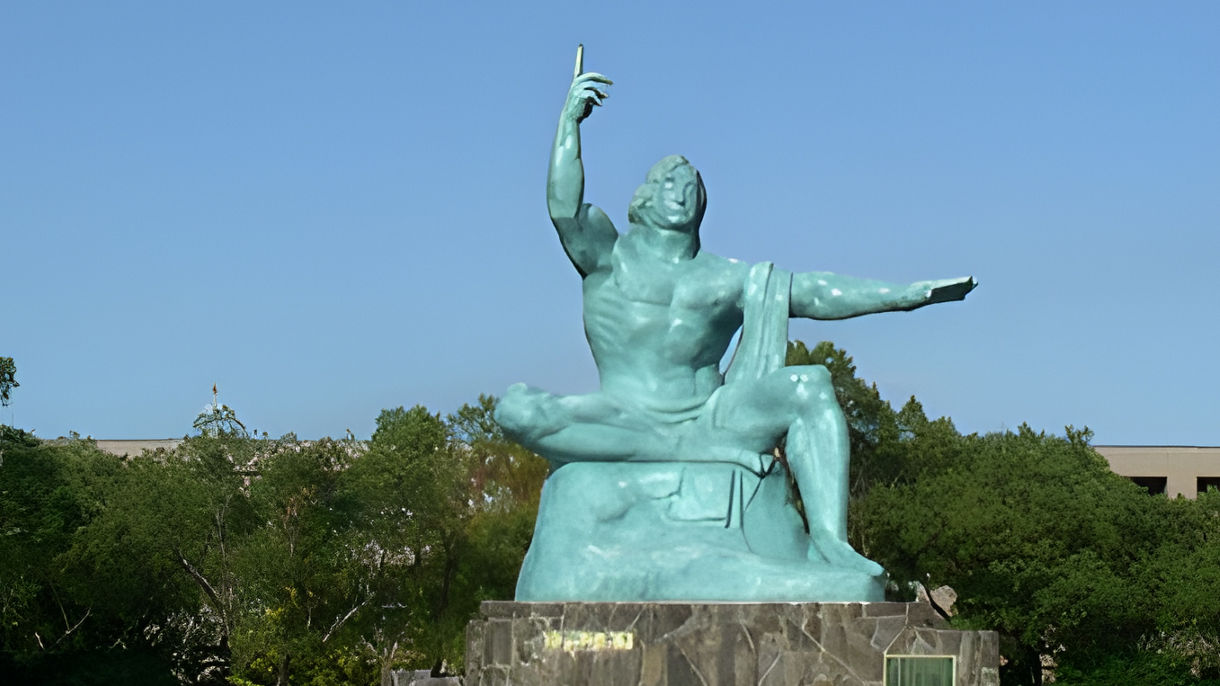
On August 9, 1945, Nagasaki became the second city to suffer a nuclear attack. Peace Memorial Park is located near Ground Zero, the center of the blast, and is home to a beautiful memorial fountain and the 30-foot-high "Statue of Peace." Nearby is the Atomic Bomb Museum, which chronicles the events leading up to the bombing and the event itself. The displays include photographs taken in the city immediately after the blast as well as artifacts that survived the explosion. A short walk from the museum leads to the Atomic Bomb Hypocenter, a black monolith marking Ground Zero.
Board your coach and travel past rebuilt Urakami Cathedral and the famed one-legged Torii gate of the Sanno Shrine. At the time of the blast the cathedral was the largest Christian church in Asia; the shrine's Torii gate was also damaged in the explosion.
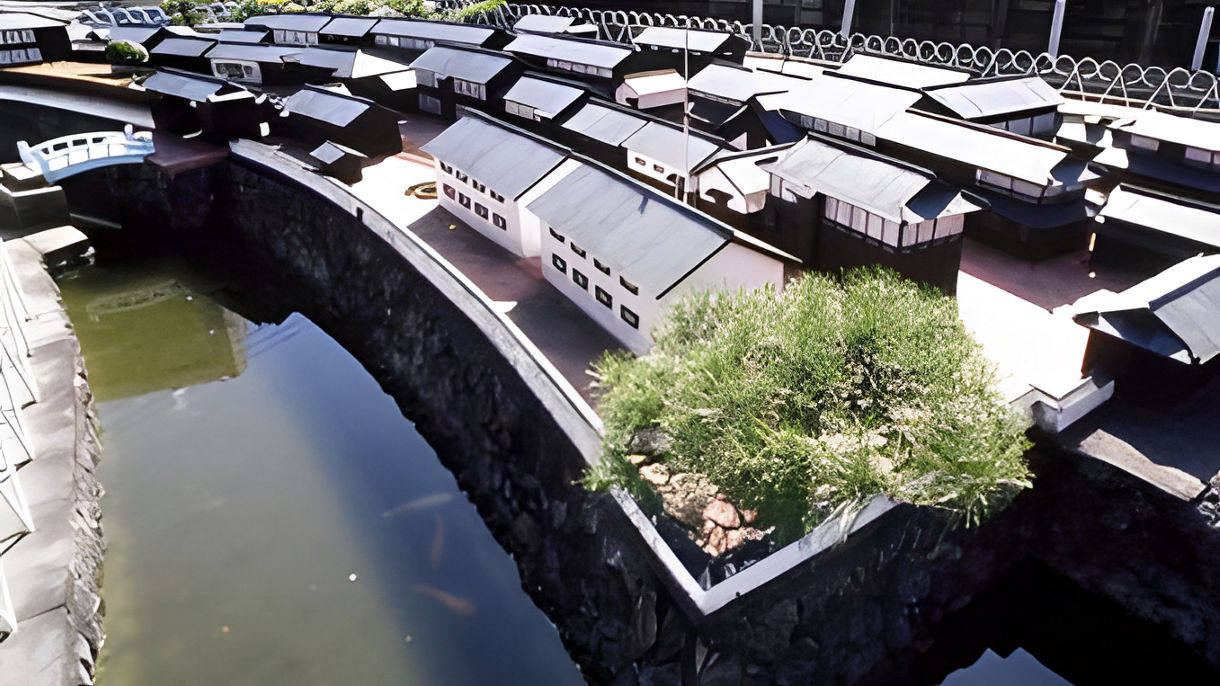
Continue to Dejima Museum. Originally an artificial island, Dejima has long been joined to the mainland by land reclamation. For over 200 years during the Tokugawa Shogunate, Japan practiced a policy of strict isolation from the outside world. The outpost of Dutch merchants on Dejima Island was Japan's only contact with the Western world. Tour the Dejima Museum, housed in a blue, colonial era building. The Museum chronicles how the unique Japanese-Dutch trading system worked.
A local hotel or restaurant is the setting for a Japanese style lunch.
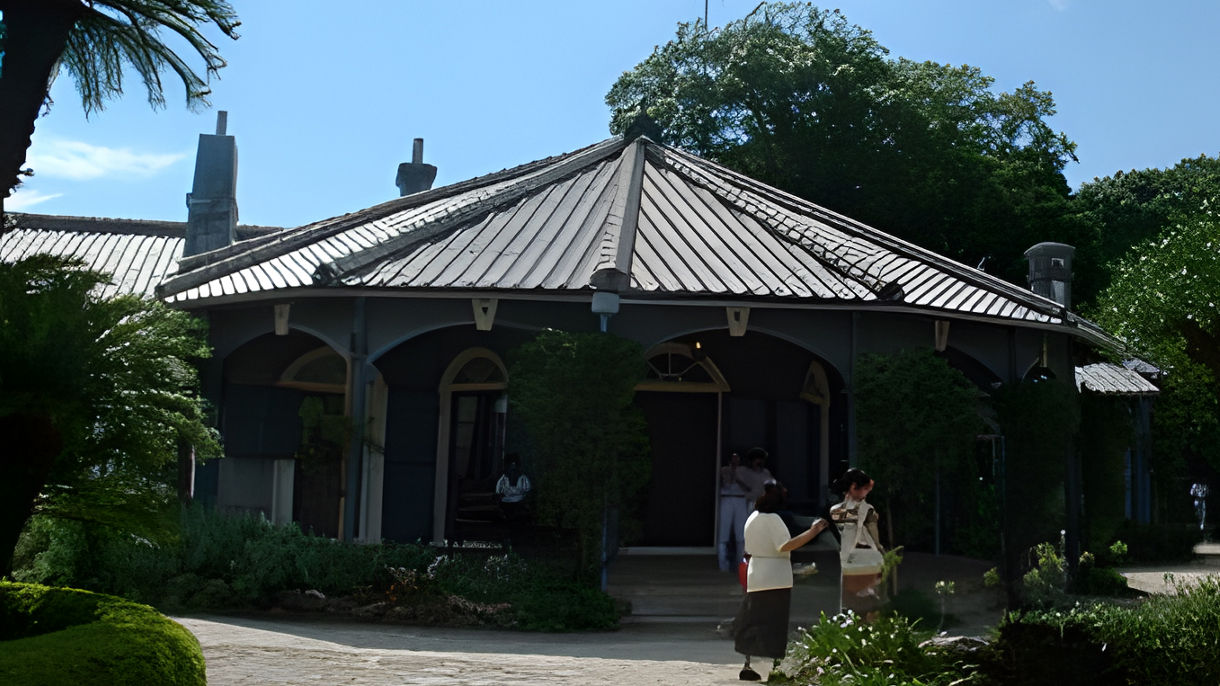
After lunch, walk up to the Glover Garden. After the Meiji Restoration, Westerners took up residence in the nearby Foreign Settlement. The Scottish merchant Thomas Glover was an important figure in modern Japan's early industrial development, instrumental in the formation of such iconic Japanese firms as Mitsubishi. Glover Garden provides panoramic views of the city and is the site of seven historic buildings, including Glover's residence, the first wooden Western-style house in Japan.
After your visit you have the option of returning to the ship on foot or remaining in the Foreign Settlement District for additional sightseeing and shopping. You are then responsible for your return to the ship.
Points of interest
Oura Catholic Church
Mt. Inasa
Peace Memorial Park
Atomic Bomb Museum
Glover Garden
Dejima
Schedule
Special Notes
From September 2026 through March 2027, the Nagasaki Atomic Bomb Museum will be updating and rotating selected exhibits. As a result, some exhibition areas may not be accessible during your visit. We appreciate your understanding.
This tour includes sensitive material including graphic pictures and displays on the atrocities of war.
From museum to hypo-center, approx 50 steps are required. Elevator is available.
Glover Garden is located at the top of hill; passengers must walk uphill, climb steep steps and travel across uneven surfaces. Glover Garden might be partially under constuction and covered.
Wear comfortable, low-heeled walking shoes. This tour is not considered suitable for passengers with walking difficulties.
Passengers should bring local currency for any purchases. The order of visits may vary.
Exceptional Value
Book shore excursions with confidence! We offer competitive pricing, friendly service and unmatched destination expertise.
Strenuous Activity
Includes meal
Be sure to read the Special Notes further down this page for important requirements and restriction.
Board your motorcoach and drive to Peace Memorial Park. The Megami Ohashi Bridge offers sweeping views of the city and the Mistubishi shipyard.
On August 9, 1945, Nagasaki became the second city to suffer a nuclear attack. Peace Memorial Park is located near Ground Zero, the center of the blast, and is home to a beautiful memorial fountain and the 30-foot-high "Statue of Peace." Nearby is the Atomic Bomb Museum, which chronicles the events leading up to the bombing and the event itself. The displays include photographs taken in the city immediately after the blast as well as artifacts that survived the explosion. A short walk from the museum leads to the Atomic Bomb Hypocenter, a black monolith marking Ground Zero.
Board your coach and travel past rebuilt Urakami Cathedral and the famed one-legged Torii gate of the Sanno Shrine. At the time of the blast the cathedral was the largest Christian church in Asia; the shrine's Torii gate was also damaged in the explosion.
Continue to Dejima Museum. Originally an artificial island, Dejima has long been joined to the mainland by land reclamation. For over 200 years during the Tokugawa Shogunate, Japan practiced a policy of strict isolation from the outside world. The outpost of Dutch merchants on Dejima Island was Japan's only contact with the Western world. Tour the Dejima Museum, housed in a blue, colonial era building. The Museum chronicles how the unique Japanese-Dutch trading system worked.
A local hotel or restaurant is the setting for a Japanese style lunch.
After lunch, walk up to the Glover Garden. After the Meiji Restoration, Westerners took up residence in the nearby Foreign Settlement. The Scottish merchant Thomas Glover was an important figure in modern Japan's early industrial development, instrumental in the formation of such iconic Japanese firms as Mitsubishi. Glover Garden provides panoramic views of the city and is the site of seven historic buildings, including Glover's residence, the first wooden Western-style house in Japan.
After your visit you have the option of returning to the ship on foot or remaining in the Foreign Settlement District for additional sightseeing and shopping. You are then responsible for your return to the ship.
Points of interest
Oura Catholic Church
Mt. Inasa
Peace Memorial Park
Atomic Bomb Museum
Glover Garden
Dejima
Schedule
Special Notes
From September 2026 through March 2027, the Nagasaki Atomic Bomb Museum will be updating and rotating selected exhibits. As a result, some exhibition areas may not be accessible during your visit. We appreciate your understanding.
This tour includes sensitive material including graphic pictures and displays on the atrocities of war.
From museum to hypo-center, approx 50 steps are required. Elevator is available.
Glover Garden is located at the top of hill; passengers must walk uphill, climb steep steps and travel across uneven surfaces. Glover Garden might be partially under constuction and covered.
Wear comfortable, low-heeled walking shoes. This tour is not considered suitable for passengers with walking difficulties.
Passengers should bring local currency for any purchases. The order of visits may vary.