Udo Jingu Shrine & Obi Castle
Strenuous Activity
Be sure to read the Special Notes further down this page for important requirements and restriction.
WHAT YOU VISIT
Obi Castle Town
Set in an idyllic setting, Obi Town is dominated by a 567-year-old fortified castle, which once served as the headquarters for the Shimazu shogun from 1458 to 1871. Much of the original stonework has survived despite earthquakes, and the wide stone staircase and huge stone walls hint at its former grandeur. A Designated Historical Preservation District, the castle town boasts picturesque streets lined with traditional shops and former samurai residences and a museum that holds more than 200 exhibits including swords, armor and other artifacts that pay homage to these once mighty clans.
Udo Jingu Shrine
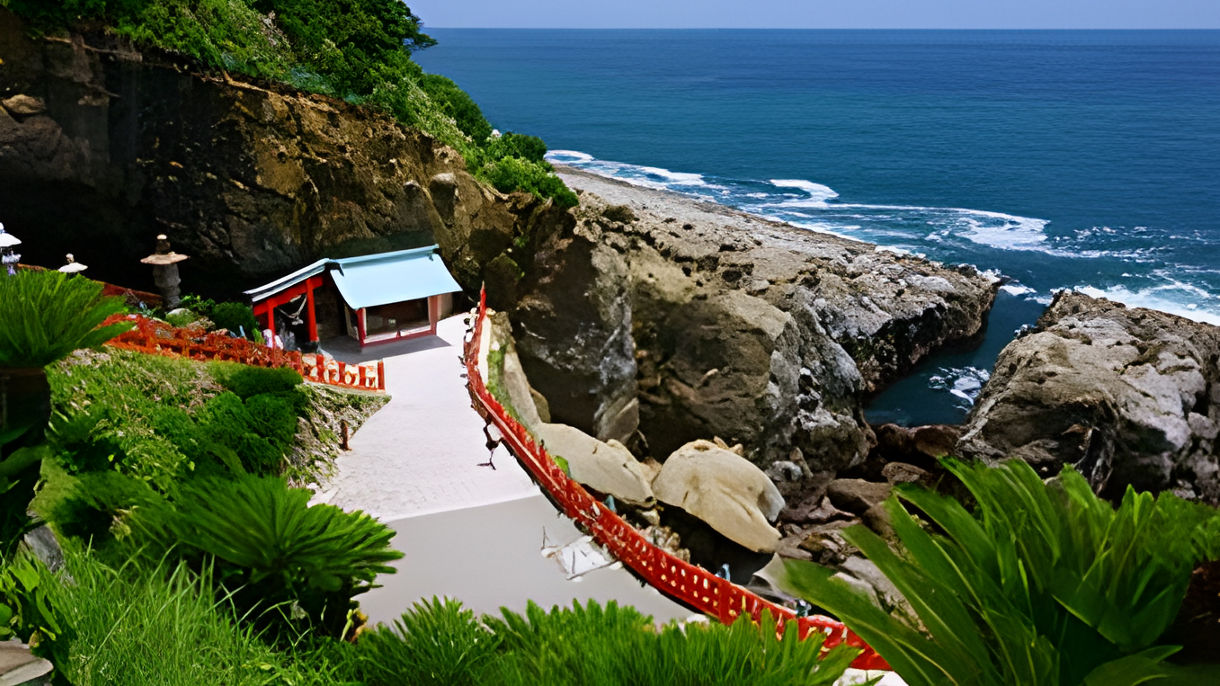
Built approximately 2,000-years-ago, the brightly painted shrine sits inside a cave on the side of a cliff overlooking the ocean. Believed to be the birthplace of the father of the mythical Emperor Jimmu, the shrine is popular with young couples hoping for a happy marriage and easy childbirth. To increase fertility and facilitate childbirth, women drink the water that flows between the rocks for luck.
PHOTO OPPORTUNITIES
The day is filled with one mesmerizing photo op after another and just when you thought your camera couldn't hold any more photos you'll find authentic samurai residences at Obi Castle Town set against the majestic Mt. Atago and postcard perfect views of the Pacific Ocean from the cliff side Udo Jingu Shrine.
WHAT YOU SEE ALONG THE WAY
As you journey to Obi Castle Town, it may be hard to imagine that the area you're traveling through was once the province of clans led by a shogun. The Edo Period, which lasted from 1603 to 1867, brought together a unified Japan, and peace and stability flourished.
Points of interest
Obi Castle Ruins
Udo Jingu Shrine
Schedule
Special Notes
-This tour is not recommended to those guests with limited mobility.
-Guests must negotiate extensive walks and steep steps at both venues.
Exceptional Value
Book shore excursions with confidence! We offer competitive pricing, friendly service and unmatched destination expertise.
Strenuous Activity
Be sure to read the Special Notes further down this page for important requirements and restriction.
WHAT YOU VISIT
Obi Castle Town
Set in an idyllic setting, Obi Town is dominated by a 567-year-old fortified castle, which once served as the headquarters for the Shimazu shogun from 1458 to 1871. Much of the original stonework has survived despite earthquakes, and the wide stone staircase and huge stone walls hint at its former grandeur. A Designated Historical Preservation District, the castle town boasts picturesque streets lined with traditional shops and former samurai residences and a museum that holds more than 200 exhibits including swords, armor and other artifacts that pay homage to these once mighty clans.
Udo Jingu Shrine
Built approximately 2,000-years-ago, the brightly painted shrine sits inside a cave on the side of a cliff overlooking the ocean. Believed to be the birthplace of the father of the mythical Emperor Jimmu, the shrine is popular with young couples hoping for a happy marriage and easy childbirth. To increase fertility and facilitate childbirth, women drink the water that flows between the rocks for luck.
PHOTO OPPORTUNITIES
The day is filled with one mesmerizing photo op after another and just when you thought your camera couldn't hold any more photos you'll find authentic samurai residences at Obi Castle Town set against the majestic Mt. Atago and postcard perfect views of the Pacific Ocean from the cliff side Udo Jingu Shrine.
WHAT YOU SEE ALONG THE WAY
As you journey to Obi Castle Town, it may be hard to imagine that the area you're traveling through was once the province of clans led by a shogun. The Edo Period, which lasted from 1603 to 1867, brought together a unified Japan, and peace and stability flourished.
Points of interest
Obi Castle Ruins
Udo Jingu Shrine
Schedule
Special Notes
-This tour is not recommended to those guests with limited mobility.
-Guests must negotiate extensive walks and steep steps at both venues.