Palma de Mallorca Discovery & Time on your own
Moderate Activity
Shopping Opportunities
Be sure to read the Special Notes further down this page for important requirements and restriction.
Valldemossa
Nested in a valley high in the Tramuntana Mountains, amble along the cobbled streets past such sites as La Cartuja, a handsome 14th century mansion surrounded by lush vegetation and beautiful gardens. Built as a hunting lodge by King Sancho, son of King Jaime II of Majorca, it was transformed into a monastery inhabited by Carthusian Monks in 1400.
Sóller
Tucked in the heart of the "valley of oranges" or "valley of gold" as it is sometimes known, the village found wealth in the 19th century when the area was isolated from the rest of Mallorca by mountains and oranges were shipped to France from the nearby west coast Port de Sóller. Many locals went to work in France and returned – their fortunes duly made – to build Majorcan-style houses and French-inspired chateaus.
PHOTO OPPORTUNITIES
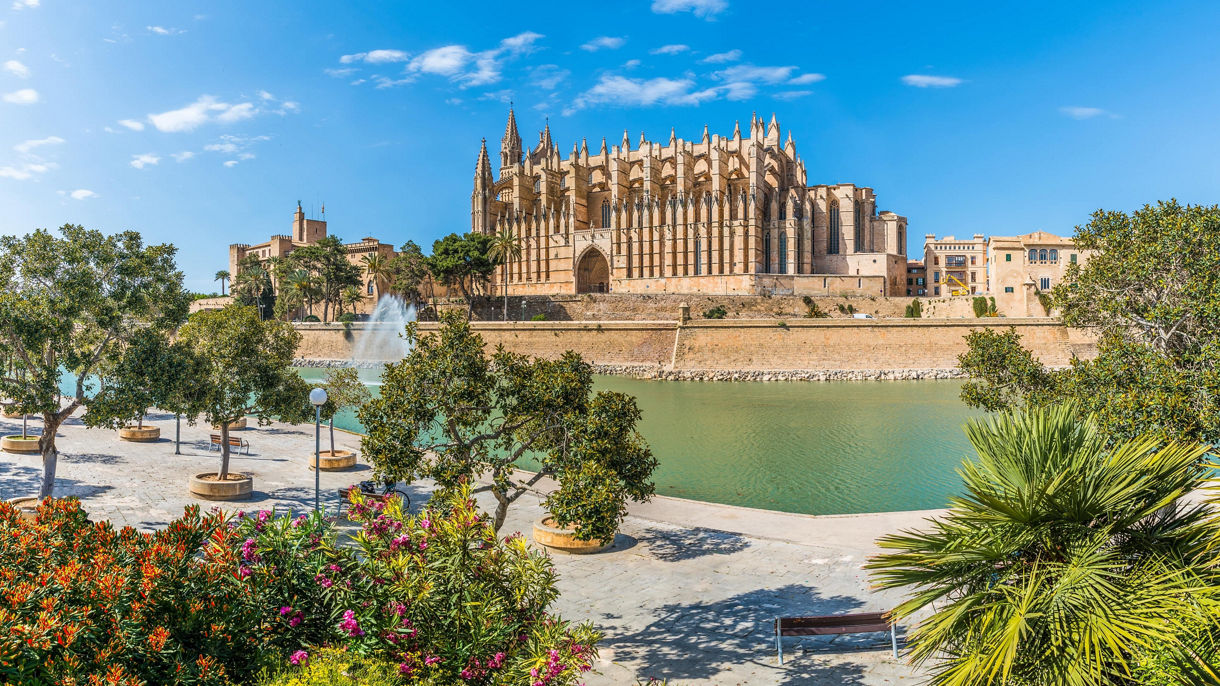
Soaring high over Palma's tranquil Bay of Palma, La Seu's gold limestone structure is the city's crowning glory.
Valdemmosa Valldemossa
Set high atop Nested in a valley high in the Tramuntana Mountains, amble along the cobbled streets past such sites as La Cartuja, a handsome 14th century mansion surrounded by lush vegetation and beautiful gardens. Built as a hunting lodge by King Sancho, son of King Jaime II of Majorca, it was transformed into a monastery inhabited by Carthusian Monks in 1400.
Sóller
Tucked in the heart of the "valley of oranges" or "valley of gold" as it is sometimes known, the village found wealth in the 19th century when the area was isolated from the rest of Mallorca by mountains and oranges were shipped to France from the nearby west coast Port de Sóller. Many locals went to work in France and returned – their fortunes duly made – to build Majorcan-style houses and French-inspired chateaus.
PHOTO OPPORTUNITIES
Soaring high over Palma's tranquil bay above the fountained waters of the Bay of Palma, Le La Seu's gold limestone structure is the city's crowning glory.
SHOPPING
Enjoy free time to shop in Palma for souvenirs such as almonds, Ikat fabric, olive and Mallorcan pearls.
WHAT YOU SEE ALONG THE WAY
Palma Old Quarter
Amid the narrow lanes you'll find the breathtaking La Seu, also known as the Cathedral of Palma de Mallorca. Erected between 1230 and completed in 1601, the Gothic cathedral boasts large towers, dramatic stained-glass windows, mythical gargoyles and a bell tower with nine huge bells. Next to La Seu sits Almudaina Palace. Constructed as a Moorish fort in the 13th century, it was claimed as an official royal residence during the reign of James I in the 14th century.
Schedule
Special Notes
Wear comfortable clothes and shoes, bring local currency, hat, sunglasses. This tour includes moderate walking on different surfaces, including steps. Not recommended for wheelchair users.
The tour may run in reverse order. Bring local currency for meals or shopping. Lunch is on your own.
Exceptional Value
Book shore excursions with confidence! We offer competitive pricing, friendly service and unmatched destination expertise.
Moderate Activity
Shopping Opportunities
Be sure to read the Special Notes further down this page for important requirements and restriction.
Valldemossa
Nested in a valley high in the Tramuntana Mountains, amble along the cobbled streets past such sites as La Cartuja, a handsome 14th century mansion surrounded by lush vegetation and beautiful gardens. Built as a hunting lodge by King Sancho, son of King Jaime II of Majorca, it was transformed into a monastery inhabited by Carthusian Monks in 1400.
Sóller
Tucked in the heart of the "valley of oranges" or "valley of gold" as it is sometimes known, the village found wealth in the 19th century when the area was isolated from the rest of Mallorca by mountains and oranges were shipped to France from the nearby west coast Port de Sóller. Many locals went to work in France and returned – their fortunes duly made – to build Majorcan-style houses and French-inspired chateaus.
PHOTO OPPORTUNITIES
Soaring high over Palma's tranquil Bay of Palma, La Seu's gold limestone structure is the city's crowning glory.
Valdemmosa Valldemossa
Set high atop Nested in a valley high in the Tramuntana Mountains, amble along the cobbled streets past such sites as La Cartuja, a handsome 14th century mansion surrounded by lush vegetation and beautiful gardens. Built as a hunting lodge by King Sancho, son of King Jaime II of Majorca, it was transformed into a monastery inhabited by Carthusian Monks in 1400.
Sóller
Tucked in the heart of the "valley of oranges" or "valley of gold" as it is sometimes known, the village found wealth in the 19th century when the area was isolated from the rest of Mallorca by mountains and oranges were shipped to France from the nearby west coast Port de Sóller. Many locals went to work in France and returned – their fortunes duly made – to build Majorcan-style houses and French-inspired chateaus.
PHOTO OPPORTUNITIES
Soaring high over Palma's tranquil bay above the fountained waters of the Bay of Palma, Le La Seu's gold limestone structure is the city's crowning glory.
SHOPPING
Enjoy free time to shop in Palma for souvenirs such as almonds, Ikat fabric, olive and Mallorcan pearls.
WHAT YOU SEE ALONG THE WAY
Palma Old Quarter
Amid the narrow lanes you'll find the breathtaking La Seu, also known as the Cathedral of Palma de Mallorca. Erected between 1230 and completed in 1601, the Gothic cathedral boasts large towers, dramatic stained-glass windows, mythical gargoyles and a bell tower with nine huge bells. Next to La Seu sits Almudaina Palace. Constructed as a Moorish fort in the 13th century, it was claimed as an official royal residence during the reign of James I in the 14th century.
Schedule
Special Notes
Wear comfortable clothes and shoes, bring local currency, hat, sunglasses. This tour includes moderate walking on different surfaces, including steps. Not recommended for wheelchair users.
The tour may run in reverse order. Bring local currency for meals or shopping. Lunch is on your own.