Show More
Craters, Lava Tubes & Cactus Gardens
Moderate Activity
Be sure to read the Special Notes further down this page for important requirements and restriction.
The island of Lanzarote was the canvas of local artist César Manrique. As one of the pioneers of modern art in Spain, his influence as a sculptor, painter and architect is seen throughout the island. His architectural designs integrated Lanzarote's natural landscape creating works of art out of the most simple of materials.
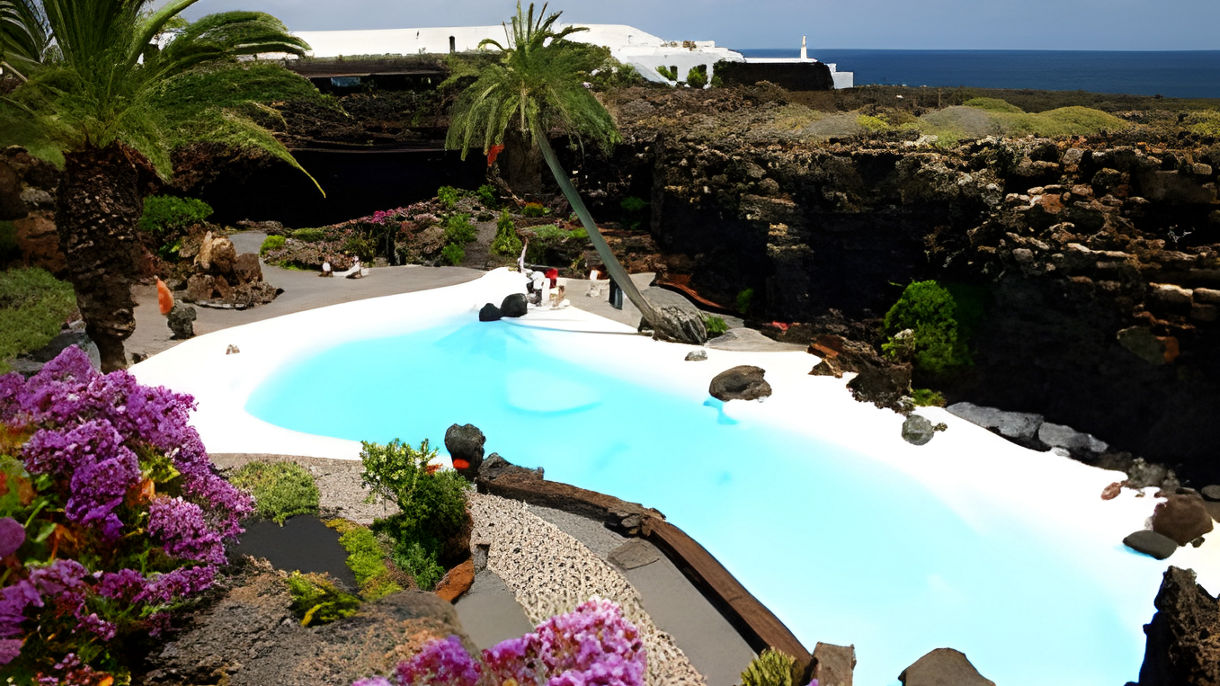
After boarding your air-conditioned motorcoach for the four-hour excursion you'll travel north through the dramatic crater-filled landscape to Los Jameos del Agua. This massive open-air cavern is part of a four-mile long volcanic tunnel that was formed by molten lava after the eruption of the La Corona volcano 3,000 years ago. Due to the pressure built up by volcanic gases, the tunnel collapsed and developed openings in the solidified lava. These openings were discovered in 1968 and, based upon an idea by Manrique, were turned into a tropical garden, a pool, a bar and a 600-seat auditorium.
Upon arrival, a huge lobster sculpture will greet you at the entrance. You'll then climb down a stone staircase into the first cave known as Jameo Chico. From there continue along a pathway that crosses a lake, which is filled with tiny albino crabs, a rare and delicate marine crustacean. Following the footpath you'll make your way to Jameo Grande, a huge open-air cave lined with beautiful tropical plants and a vibrant turquoise pool. At the far end is the auditorium.
Then, you'll visit the Mirador del Rio, Lanzarote's most famous viewpoint. A recreational and ecological park, Mirador del Rio has a history as an old gun emplacement, dating from 1898, when Spain was at war with the United States over Cuba. In 1973 local artist César Manrique redesigned the stone structure's semi-circular shape and large domed roof. From the vantage point of the balcony you have some of the most breathtaking views in the entire archipelago.
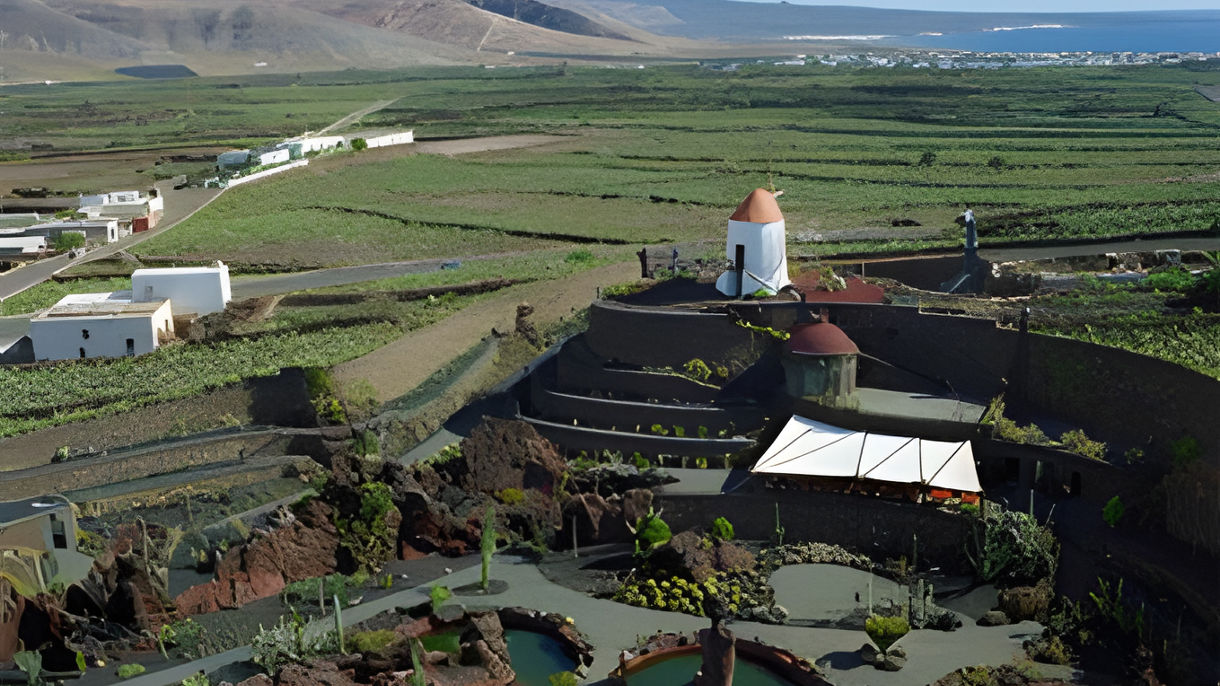
Your next destination is Jardín de Cactus, the last work of César Manrique. Completed in 1991, the garden was built on an old quarry of volcanic ash extraction, also known as "rofe" or "picón." At the entrance sits Manrique's towering 26-foot tall green metal cactus. The garden of 10,000 types of cactus from more than 1,400 distinct species is also home to the island's cochineal insect, which is used in the textile and cosmetic industries.
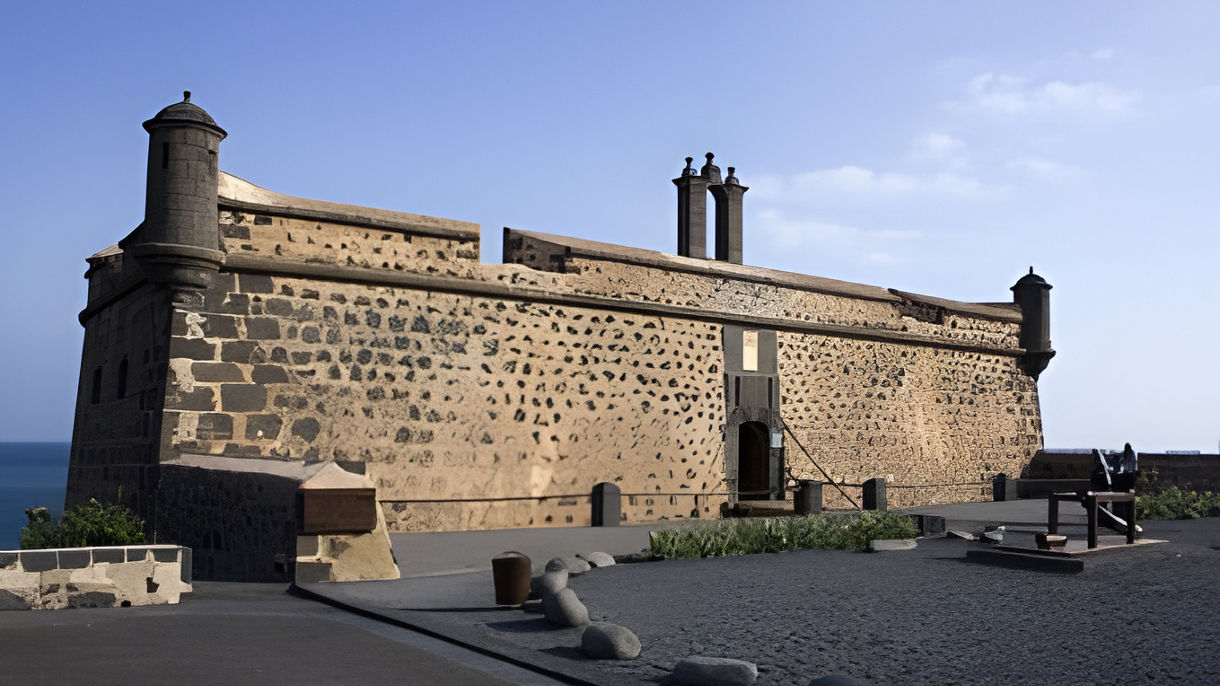
Your last stop is El Castillo de San Jose. Built in the 18th century to defend the island against pirate attacks, Manrique renovated the castle in 1975 and today it holds the International Museum of Contemporary of Art.
Return to port along the same scenic route with a better appreciation of the acclaimed artist and his contributions to Lanzarote.
Points of interest
Jameos del Agua
Mirador del Rio
Jardin de Cactus
El Castillo de San Jose/Museum of Contemporary Art
Schedule
Special Notes
Guests should note that the visit to Jameos del Agua requires negotiating many uneven stone steps at the entrance (uneven steps and uneven surface are in the whole Jameos). The steps may be slippery. The sequence of the tour may vary.
Medical Restriction
Not Wheelchair Accessible
Exceptional Value
Book shore excursions with confidence! We offer competitive pricing, friendly service and unmatched destination expertise.
Moderate Activity
Be sure to read the Special Notes further down this page for important requirements and restriction.
The island of Lanzarote was the canvas of local artist César Manrique. As one of the pioneers of modern art in Spain, his influence as a sculptor, painter and architect is seen throughout the island. His architectural designs integrated Lanzarote's natural landscape creating works of art out of the most simple of materials.
After boarding your air-conditioned motorcoach for the four-hour excursion you'll travel north through the dramatic crater-filled landscape to Los Jameos del Agua. This massive open-air cavern is part of a four-mile long volcanic tunnel that was formed by molten lava after the eruption of the La Corona volcano 3,000 years ago. Due to the pressure built up by volcanic gases, the tunnel collapsed and developed openings in the solidified lava. These openings were discovered in 1968 and, based upon an idea by Manrique, were turned into a tropical garden, a pool, a bar and a 600-seat auditorium.
Upon arrival, a huge lobster sculpture will greet you at the entrance. You'll then climb down a stone staircase into the first cave known as Jameo Chico. From there continue along a pathway that crosses a lake, which is filled with tiny albino crabs, a rare and delicate marine crustacean. Following the footpath you'll make your way to Jameo Grande, a huge open-air cave lined with beautiful tropical plants and a vibrant turquoise pool. At the far end is the auditorium.
Then, you'll visit the Mirador del Rio, Lanzarote's most famous viewpoint. A recreational and ecological park, Mirador del Rio has a history as an old gun emplacement, dating from 1898, when Spain was at war with the United States over Cuba. In 1973 local artist César Manrique redesigned the stone structure's semi-circular shape and large domed roof. From the vantage point of the balcony you have some of the most breathtaking views in the entire archipelago.
Your next destination is Jardín de Cactus, the last work of César Manrique. Completed in 1991, the garden was built on an old quarry of volcanic ash extraction, also known as "rofe" or "picón." At the entrance sits Manrique's towering 26-foot tall green metal cactus. The garden of 10,000 types of cactus from more than 1,400 distinct species is also home to the island's cochineal insect, which is used in the textile and cosmetic industries.
Your last stop is El Castillo de San Jose. Built in the 18th century to defend the island against pirate attacks, Manrique renovated the castle in 1975 and today it holds the International Museum of Contemporary of Art.
Return to port along the same scenic route with a better appreciation of the acclaimed artist and his contributions to Lanzarote.
Points of interest
Jameos del Agua
Mirador del Rio
Jardin de Cactus
El Castillo de San Jose/Museum of Contemporary Art
Schedule
Special Notes
Guests should note that the visit to Jameos del Agua requires negotiating many uneven stone steps at the entrance (uneven steps and uneven surface are in the whole Jameos). The steps may be slippery. The sequence of the tour may vary.
Medical Restriction
Not Wheelchair Accessible