Show More
Olympia Olympics For Families
Moderate Activity
Be sure to read the Special Notes further down this page for important requirements and restriction.
Board your motorcoach for an exciting Olympic-sized family adventure. First, you'll tour the Olympia Archaeological Site. Not only will you walk among the ruins of the Temple of Zeus and the Temple of Hera, but you can run on the same race track used by Olympian athletes over 2,700 years ago.
Your half-day excursion to ancient Olympia begins as you leave the bustling harbor, travel past the modern region of Pyrgos and through the countryside between the Alfios and Klados Rivers.
Once you arrive, the first thing you may notice that, unlike other Greek ruins, Olympia is verdant and lush, and set among groves of trees. With your guide by your side, you'll walk to the Olympia Archaeological Site.
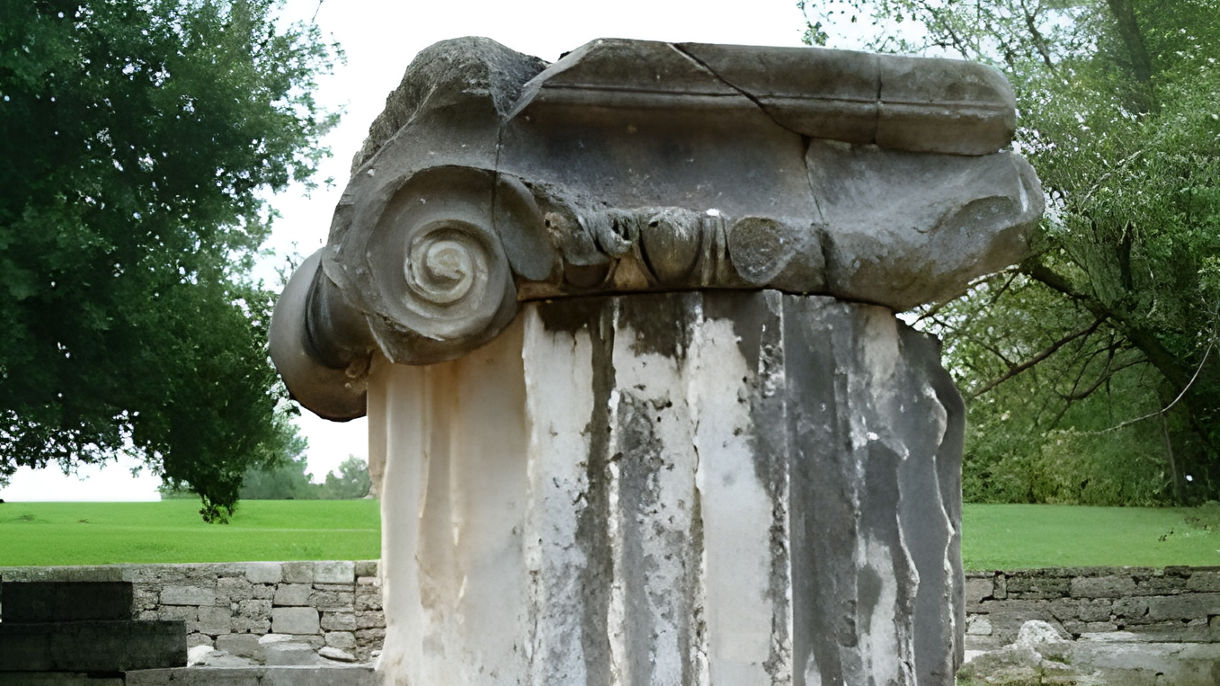
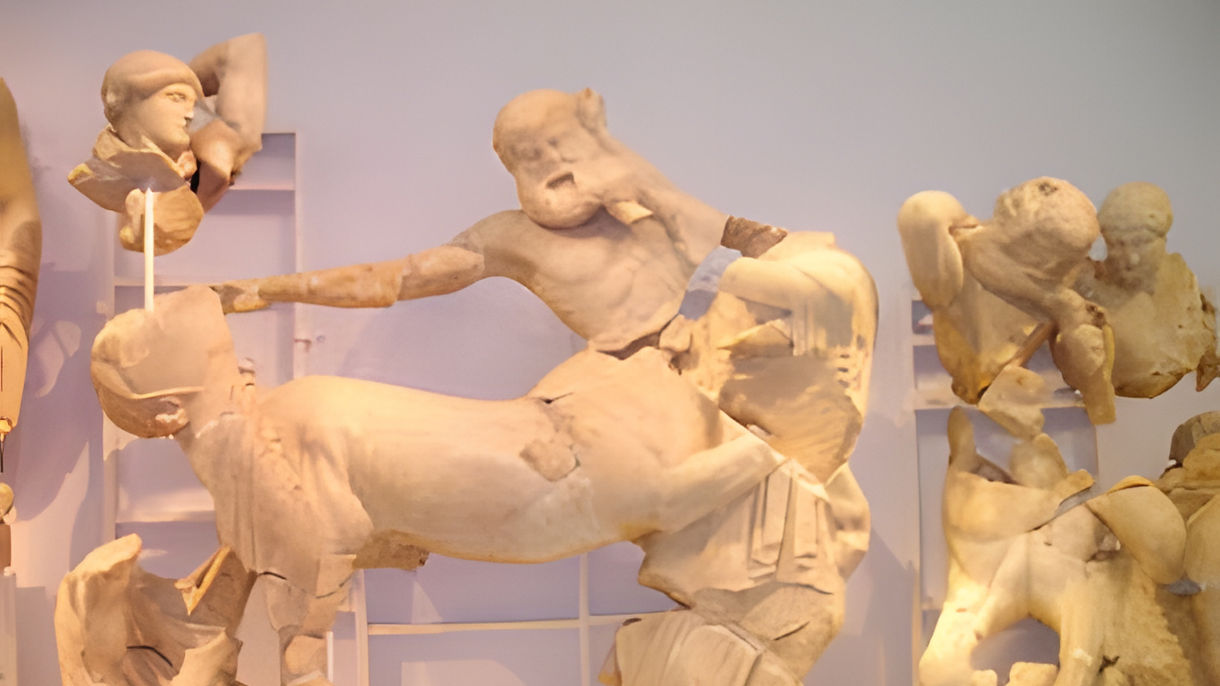
Originally built as a place of worship, Olympia's earliest buildings were dedicated to the gods. In 776 B.C. an athletic festival was held to honor Zeus and Hera and eventually came to be known as the Olympic Games. As you walk among the ruins, recognized as a UNESCO-designated site, it may be hard to imagine that the games were the biggest event in the ancient world and for over a thousand years, in peace and in war, Greeks assembled here to celebrate this great festival.
You'll wind your way to the Temple of Zeus. Built between 470 B.C. and 456 B.C. the massive structure featured 19 large columns measuring over 34 feet high and over 7 feet in diameter. Inside once stood the gigantic Statue of Zeus. Hailed as one of the Seven Wonders of the World, it stood a staggering 42 feet high and 20 feet wide. Made of gold and ivory, the statue sat on a throne lavishly decorated with gold, precious stones, ebony and ivory.
Nearby sits the Temple of Hera, one of the oldest monumental temples in Greece. Built around 600 B.C. for the goddess of love and marriage, the Olympic Torch was lit on this site, then as it is today.
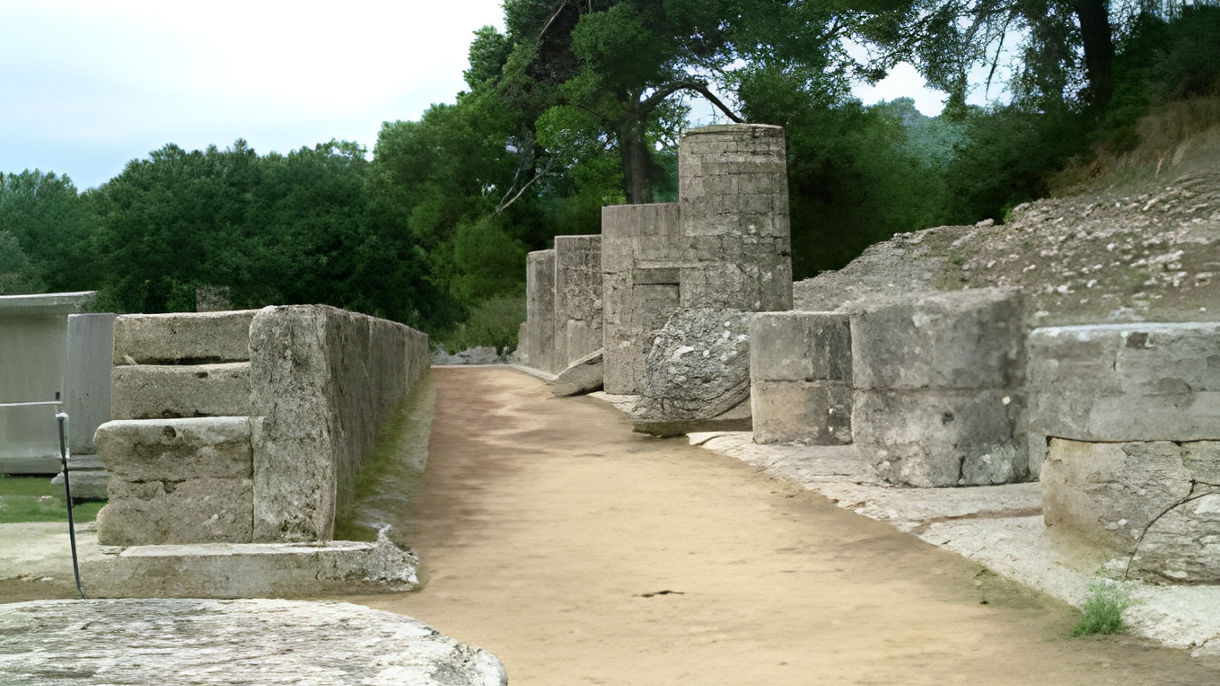
You'll also see the ruins of the great stadium. Measuring over 212 meters long and over 110 meters wide, at either end of the track were a series of marble slabs that marked the races' beginning and end (many of them are still in place!). More than 40,000 spectators would fill the stadium to witness contests ranging from the shot put to footraces. If you want to feel like an Olympian champion you're invited to participate in a short race along the original racetrack. All tour participants will be given a small memento of the trip.
After a short walk back to your motorcoach, you'll set out to view the bustling and modern town of Olympia. Your tour concludes with a scenic drive back to the harbor.
Points of interest
Olympia Archaeological Site
Schedule
Special Notes
In order to protect the historic environment, local regulations require motorcoaches to park approximately 1,200 yards from the exit of the Olympia site. The walking required is mostly flat and even.
The tour involves extensive walking over gravel and uneven path. Wear comfortable walking shoes. Passengers with limited mobility should take this into consideration.
Wear casual, respectful attire. Bikini tops are not permitted inside the archaeological site.
Tour order may vary.
Bring a hat.
Exceptional Value
Book shore excursions with confidence! We offer competitive pricing, friendly service and unmatched destination expertise.
Moderate Activity
Be sure to read the Special Notes further down this page for important requirements and restriction.
Board your motorcoach for an exciting Olympic-sized family adventure. First, you'll tour the Olympia Archaeological Site. Not only will you walk among the ruins of the Temple of Zeus and the Temple of Hera, but you can run on the same race track used by Olympian athletes over 2,700 years ago.
Your half-day excursion to ancient Olympia begins as you leave the bustling harbor, travel past the modern region of Pyrgos and through the countryside between the Alfios and Klados Rivers.
Once you arrive, the first thing you may notice that, unlike other Greek ruins, Olympia is verdant and lush, and set among groves of trees. With your guide by your side, you'll walk to the Olympia Archaeological Site.
Originally built as a place of worship, Olympia's earliest buildings were dedicated to the gods. In 776 B.C. an athletic festival was held to honor Zeus and Hera and eventually came to be known as the Olympic Games. As you walk among the ruins, recognized as a UNESCO-designated site, it may be hard to imagine that the games were the biggest event in the ancient world and for over a thousand years, in peace and in war, Greeks assembled here to celebrate this great festival.
You'll wind your way to the Temple of Zeus. Built between 470 B.C. and 456 B.C. the massive structure featured 19 large columns measuring over 34 feet high and over 7 feet in diameter. Inside once stood the gigantic Statue of Zeus. Hailed as one of the Seven Wonders of the World, it stood a staggering 42 feet high and 20 feet wide. Made of gold and ivory, the statue sat on a throne lavishly decorated with gold, precious stones, ebony and ivory.
Nearby sits the Temple of Hera, one of the oldest monumental temples in Greece. Built around 600 B.C. for the goddess of love and marriage, the Olympic Torch was lit on this site, then as it is today.
You'll also see the ruins of the great stadium. Measuring over 212 meters long and over 110 meters wide, at either end of the track were a series of marble slabs that marked the races' beginning and end (many of them are still in place!). More than 40,000 spectators would fill the stadium to witness contests ranging from the shot put to footraces. If you want to feel like an Olympian champion you're invited to participate in a short race along the original racetrack. All tour participants will be given a small memento of the trip.
After a short walk back to your motorcoach, you'll set out to view the bustling and modern town of Olympia. Your tour concludes with a scenic drive back to the harbor.
Points of interest
Olympia Archaeological Site
Schedule
Special Notes
In order to protect the historic environment, local regulations require motorcoaches to park approximately 1,200 yards from the exit of the Olympia site. The walking required is mostly flat and even.
The tour involves extensive walking over gravel and uneven path. Wear comfortable walking shoes. Passengers with limited mobility should take this into consideration.
Wear casual, respectful attire. Bikini tops are not permitted inside the archaeological site.
Tour order may vary.
Bring a hat.