Shirakawago Village & Gokayama Village
Moderate Activity
Shopping Opportunities
Be sure to read the Special Notes further down this page for important requirements and restriction.
Experience the rich architectural traditions of the Japanese countryside on a tour including two of the region's most picturesque villages. Shirakawago widely-known as one of the most scenic places in Japan, is nestled along the shores of the Shokawa River and is surrounded by dramatic pine tree-covered mountains.
Here you'll find the unique Japanese thatched-roof farmhouses that are the center of attention. There are approximately 90 thatched farmhouses, sheds, and barns built about 200-300 years ago that were added to UNESCO'S World Heritage List in 1995. They are examples of the Gassho-zukuri style, a form of construction that resembles hands-clasped in prayer.
Aesthetically pleasing, the steeply pitched roofs are extremely practical during the heavy snowstorms of the Shokawa River valley. Pitched at 60 degrees and oriented along a north-south axis, the farmhouses are able to more efficiently capture sunlight and shed weighty burdens.
Some of the farmhouses are clustered in an open-air museum called the Gassho-zukuri Minkaen: a photographer's dream. While admission is not included in the tour, you will find the museum a special place to visit if time permits. Filled with the tools of everyday life and including displays covering a wide array of daily tasks, the buildings are picturesquely situated around scenic ponds, rice paddies, flower beds, and gurgling streams. After free time in the village and lunch on your own, your tour continues to Gokayama.
Like Shirakawago, Gokayama earned its place as a UNESCO World Cultural Heritage Site in 1995 and boasts the same style of Gassho-zukuri pitched-roof construction. Arriving in this charming village, you'll proceed to a special site where you'll be treated to fascinating demonstrations of the art of Japanese paper making. It's a process brought to Japan from China at the beginning of the 7th century.
Known as washi, the process of creation is long and involved and that often undertaken in the depth of winter. The cold weather inhibits bacteria, prevents decomposition, makes the fibers contract for a crisp feel, and provides farmers with a source of winter income.
The kozo tree, or paper mulberry, is the most commonly used fiber in making Japanese paper. The kozo branches are boiled and stripped of their outer bark, and then dried. The fibers are then boiled with lye to remove the starch, fat and tannin and any remaining impurities in the fibers are picked out by hand. The kozo is laid on a rock or board and beaten.
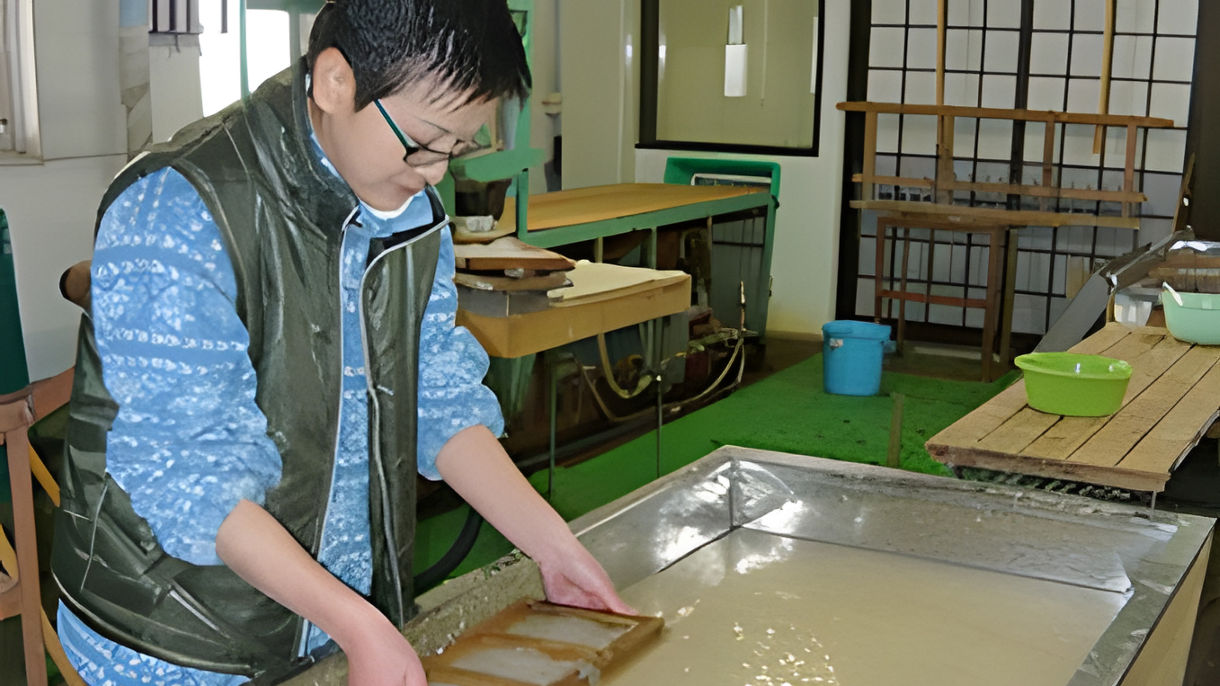
Wet balls of pulp are mixed in a vat with water and one of two traditional methods of paper making (nagashi-zuki or tame-zuki) is employed. In both methods, pulp is scooped onto a screen and shaken to spread the fibers evenly. Nagashi-zuki (which uses neri in the vat) produces a thinner paper, while tame-zuki (which does not use neri) produces a thicker paper.
You'll have the unique opportunity to lend a hand in the process of Japanese paper-making, enjoying the camaraderie of this shared activity, before returning to the pier via the breathtaking Japanese countryside.
Points of interest
Shirakawago
Schedule
Special Notes
Bring local currency to purchase lunch; lunch not included as part of this tour.
A minimum of 25 passengers is required for this tour to operate.
Exceptional Value
Book shore excursions with confidence! We offer competitive pricing, friendly service and unmatched destination expertise.
Moderate Activity
Shopping Opportunities
Be sure to read the Special Notes further down this page for important requirements and restriction.
Experience the rich architectural traditions of the Japanese countryside on a tour including two of the region's most picturesque villages. Shirakawago widely-known as one of the most scenic places in Japan, is nestled along the shores of the Shokawa River and is surrounded by dramatic pine tree-covered mountains.
Here you'll find the unique Japanese thatched-roof farmhouses that are the center of attention. There are approximately 90 thatched farmhouses, sheds, and barns built about 200-300 years ago that were added to UNESCO'S World Heritage List in 1995. They are examples of the Gassho-zukuri style, a form of construction that resembles hands-clasped in prayer.
Aesthetically pleasing, the steeply pitched roofs are extremely practical during the heavy snowstorms of the Shokawa River valley. Pitched at 60 degrees and oriented along a north-south axis, the farmhouses are able to more efficiently capture sunlight and shed weighty burdens.
Some of the farmhouses are clustered in an open-air museum called the Gassho-zukuri Minkaen: a photographer's dream. While admission is not included in the tour, you will find the museum a special place to visit if time permits. Filled with the tools of everyday life and including displays covering a wide array of daily tasks, the buildings are picturesquely situated around scenic ponds, rice paddies, flower beds, and gurgling streams. After free time in the village and lunch on your own, your tour continues to Gokayama.
Like Shirakawago, Gokayama earned its place as a UNESCO World Cultural Heritage Site in 1995 and boasts the same style of Gassho-zukuri pitched-roof construction. Arriving in this charming village, you'll proceed to a special site where you'll be treated to fascinating demonstrations of the art of Japanese paper making. It's a process brought to Japan from China at the beginning of the 7th century.
Known as washi, the process of creation is long and involved and that often undertaken in the depth of winter. The cold weather inhibits bacteria, prevents decomposition, makes the fibers contract for a crisp feel, and provides farmers with a source of winter income.
The kozo tree, or paper mulberry, is the most commonly used fiber in making Japanese paper. The kozo branches are boiled and stripped of their outer bark, and then dried. The fibers are then boiled with lye to remove the starch, fat and tannin and any remaining impurities in the fibers are picked out by hand. The kozo is laid on a rock or board and beaten.
Wet balls of pulp are mixed in a vat with water and one of two traditional methods of paper making (nagashi-zuki or tame-zuki) is employed. In both methods, pulp is scooped onto a screen and shaken to spread the fibers evenly. Nagashi-zuki (which uses neri in the vat) produces a thinner paper, while tame-zuki (which does not use neri) produces a thicker paper.
You'll have the unique opportunity to lend a hand in the process of Japanese paper-making, enjoying the camaraderie of this shared activity, before returning to the pier via the breathtaking Japanese countryside.
Points of interest
Shirakawago
Schedule
Special Notes
Bring local currency to purchase lunch; lunch not included as part of this tour.
A minimum of 25 passengers is required for this tour to operate.