Show More
Gdansk & The Solidarity Movement
Moderate Activity
Be sure to read the Special Notes further down this page for important requirements and restriction.
Combine a walk trough the city of Gdansk and learn about its' history
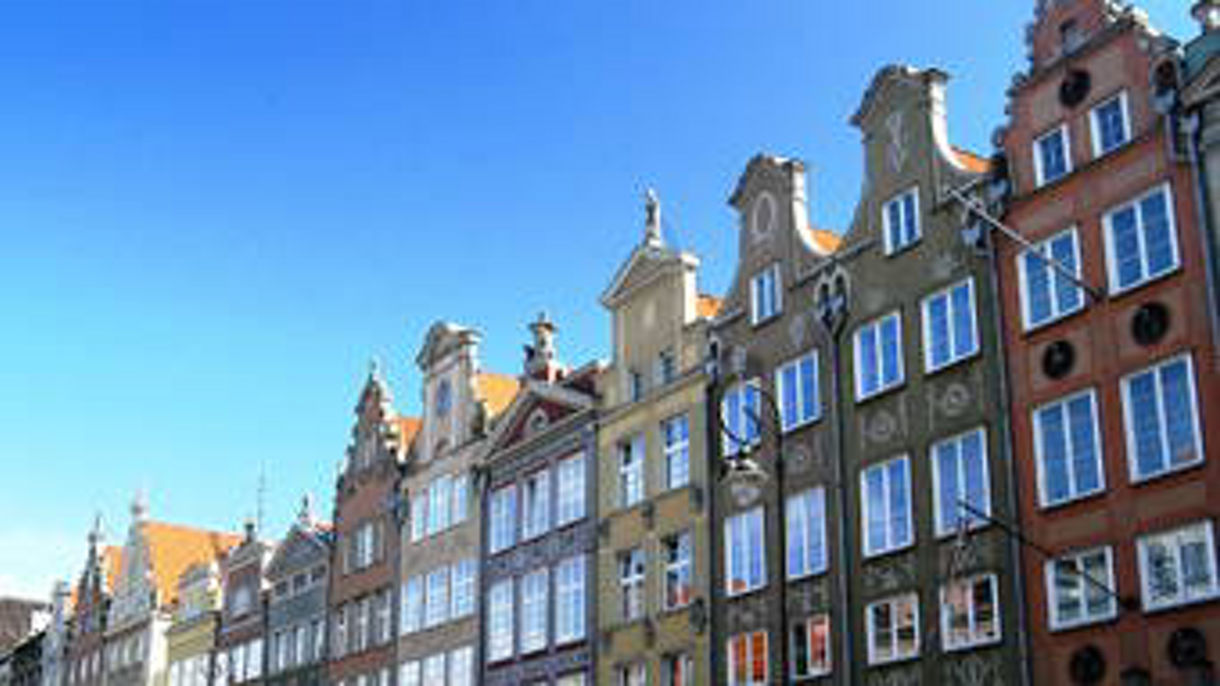
Old Town – The city's 1,000 years of history have left a rich collection of buildings and monuments designed in a splendid mix of Gothic, Renaissance and Baroque styles. Although the Old Town of Gdansk is not as old as it might seem, since over 80% of the buildings were rebuilt after the devastation of World War II, it has been completely and lovingly restored to its' previous glory. To get a flavor of this ancient city, follow the royal route from the Green Gate on the banks of Motlawa, which takes in Long Street and Long Market with its town houses spanning 400 years, the main town hall, Arthur's court and the representative symbol of Gdansk- the Neptune Fountain. The most charming street in Gdansk is St. Mary Street which delights its' visitors with its lively atmosphere, quaint shops and lovely terraced buildings.
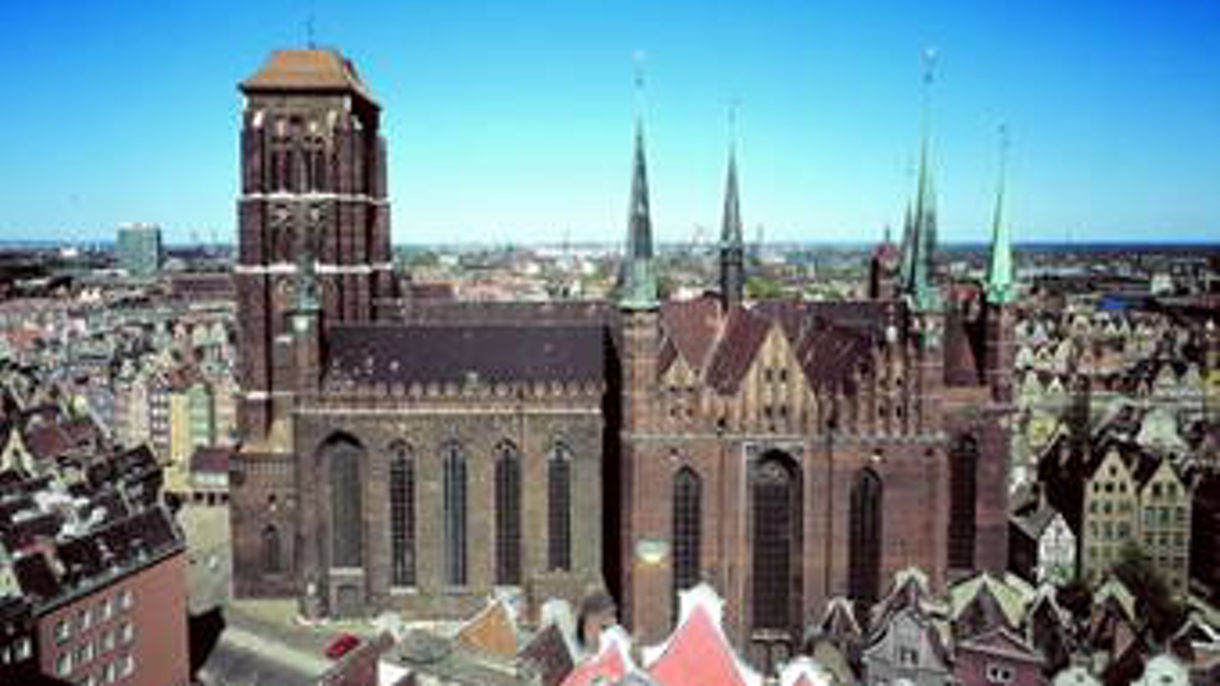
St. Mary's Church – often called the "Crown of Gdansk" is the world's largest brick temple. Its' mighty walls and towers rise high above the city skyline and the beautiful view of the city can be enjoyed from the galleries of the impressive 82 meter high tower. With its 30 decorated chapels, polyptych, ancient tombs and 15th century astronomical clock, this medieval church can accommodate even 25,000 worshippers and took 159 years to build. Its' deceivingly plan exterior belies a bright, spacious interior with large windows creating at the same time magical atmosphere that makes the visit an unforgettable experience.
European Solidarity Centre- The basic idea of the exhibition is to show the historical context of the events thanks to which the 3rd Polish Republic emerged, as well as outline the post-war history of resistance to the Communist authority, the development of our independent political thinking, and, finally, the history of the development opposition forms against the repressive reality of life in the Polish People's Republic (PRL). The visual message of the exhibition is devoted mostly to the history of the "Solidarity" movement, as well of 1956, 1968, 1970, and 1976, along with records of 1980, 1981 and the time of martial law, until the years closed by 1989.
Solidarity Square Monument- The monument provides a memento to the dramatic events from December 16th and 17th 1970, when 44 people died on the streets of Gdansk and Gdynia during the workers riots against the Communist regime. The three crosses symbolize three shipyard workers who died outside the shipyard's gate.
Steeped in the rich history of Gdansk, you'll reboard your mototoroach for your drive back to Gdynia.
Points of interest
Solidarity Square
St. Mary's Church
Schedule
Special Notes
The drive between Gdynia and Gdansk is approximately one hour. Tour order may vary. Use of an audio headset (included) will enhance your tour experience.
Exceptional Value
Book shore excursions with confidence! We offer competitive pricing, friendly service and unmatched destination expertise.
Moderate Activity
Be sure to read the Special Notes further down this page for important requirements and restriction.
Combine a walk trough the city of Gdansk and learn about its' history
Old Town – The city's 1,000 years of history have left a rich collection of buildings and monuments designed in a splendid mix of Gothic, Renaissance and Baroque styles. Although the Old Town of Gdansk is not as old as it might seem, since over 80% of the buildings were rebuilt after the devastation of World War II, it has been completely and lovingly restored to its' previous glory. To get a flavor of this ancient city, follow the royal route from the Green Gate on the banks of Motlawa, which takes in Long Street and Long Market with its town houses spanning 400 years, the main town hall, Arthur's court and the representative symbol of Gdansk- the Neptune Fountain. The most charming street in Gdansk is St. Mary Street which delights its' visitors with its lively atmosphere, quaint shops and lovely terraced buildings.
St. Mary's Church – often called the "Crown of Gdansk" is the world's largest brick temple. Its' mighty walls and towers rise high above the city skyline and the beautiful view of the city can be enjoyed from the galleries of the impressive 82 meter high tower. With its 30 decorated chapels, polyptych, ancient tombs and 15th century astronomical clock, this medieval church can accommodate even 25,000 worshippers and took 159 years to build. Its' deceivingly plan exterior belies a bright, spacious interior with large windows creating at the same time magical atmosphere that makes the visit an unforgettable experience.
European Solidarity Centre- The basic idea of the exhibition is to show the historical context of the events thanks to which the 3rd Polish Republic emerged, as well as outline the post-war history of resistance to the Communist authority, the development of our independent political thinking, and, finally, the history of the development opposition forms against the repressive reality of life in the Polish People's Republic (PRL). The visual message of the exhibition is devoted mostly to the history of the "Solidarity" movement, as well of 1956, 1968, 1970, and 1976, along with records of 1980, 1981 and the time of martial law, until the years closed by 1989.
Solidarity Square Monument- The monument provides a memento to the dramatic events from December 16th and 17th 1970, when 44 people died on the streets of Gdansk and Gdynia during the workers riots against the Communist regime. The three crosses symbolize three shipyard workers who died outside the shipyard's gate.
Steeped in the rich history of Gdansk, you'll reboard your mototoroach for your drive back to Gdynia.
Points of interest
Solidarity Square
St. Mary's Church
Schedule
Special Notes
The drive between Gdynia and Gdansk is approximately one hour. Tour order may vary. Use of an audio headset (included) will enhance your tour experience.