Show More
Best of Aomori
Moderate Activity
Includes meal
Be sure to read the Special Notes further down this page for important requirements and restriction.
WHAT YOU VISIT
Seiryuji Temple
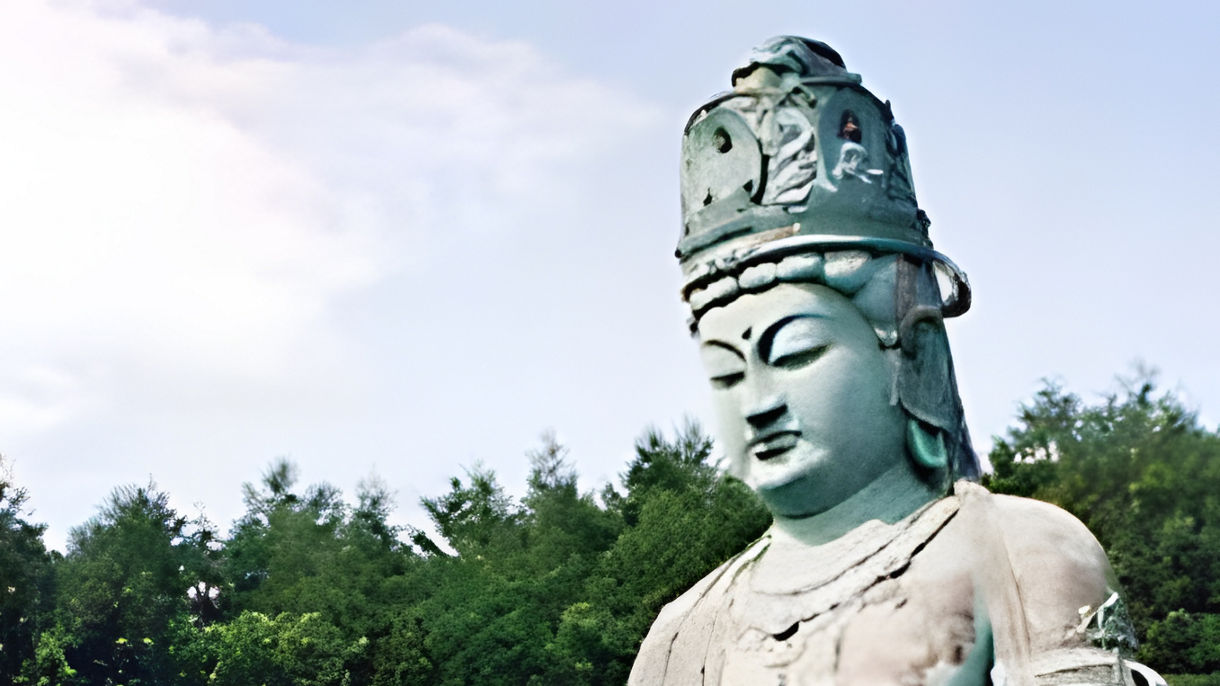
Built in 1982, the Buddhist temple sits in a lush and serene setting which houses the Showa Daibutsu, Japan's largest bronze seated Buddha statue. Constructed in bronze, it stands 27 meters tall (88 feet) including the base and weighs 220 tons. The five-story pagoda was built from natural Aomori cypress wood and the main hall was built entirely from cypress.
Seibi-en Japanese Garden
Covering an area of 9,360 square meters (100,800 square feet), the 125-year-old garden is a designated National Scenic Spot, offering an idyllic landscape of fountains, Japanese garden and rare architecture which mixed Japanese and Western. It's fragrant with weeping willows, junipers and pines, and you will discover an unusual two-story house that combines Japanese and Western architectural styles. Look for a special yew tree, trimmed in the shape of the god said to have created the earth and heaven.
Sannai Maruyama Archaeological Ruins
Designated as a Special National Historical Site of Japan and UNESCO World Heritage Site, Sannai Maruyama is one of Japan's largest historical sites consisting of remains of human settlement of the Jômon-period from approximately from around 13,000 to 300 B.C. Explore replicas of dwellings and other structures on the grounds and view artifacts.
Nebuta Warasse Museum
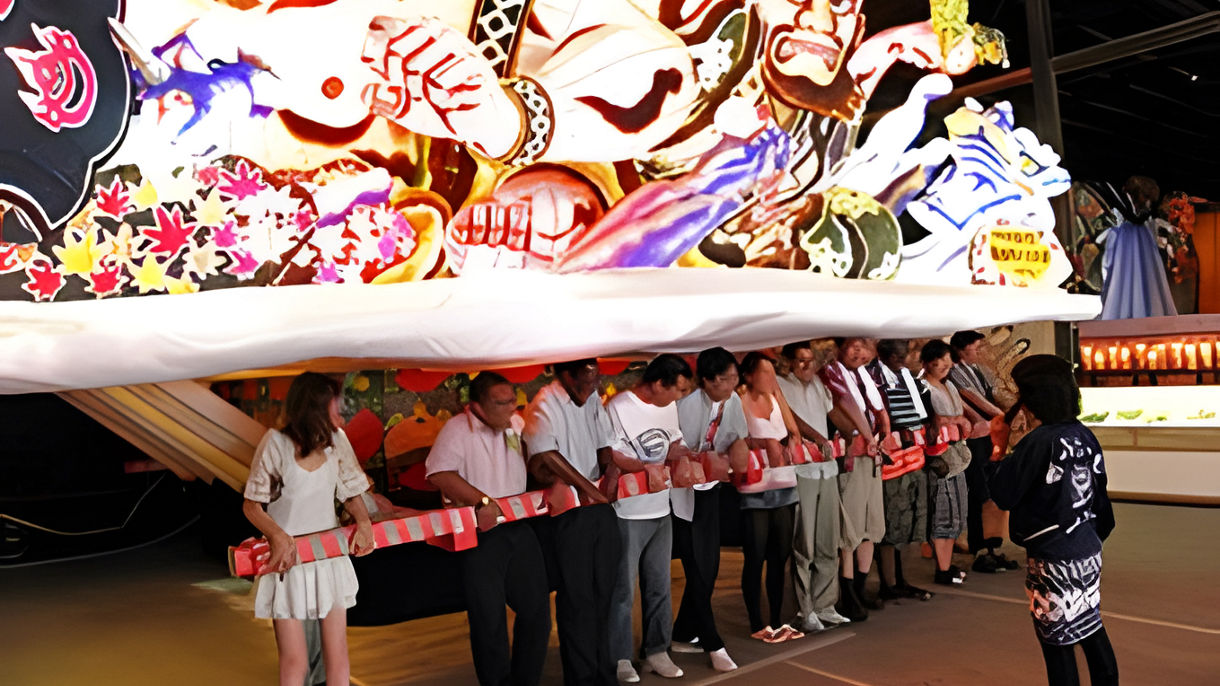
Dedicated to Aomori's famous 300-year-old Nebuta Matsuri festival, the museum houses the elaborate and meticulously crafted paper floats called nebuta that are paraded through the streets during the yearly Nebuta Festival the first week of August.
PHOTO OPPORTUNITIES
At Wa Rasse, award-winning Nebuta floats from past festivals are displayed each year, offering a perfect opportunity to take photos up close. At Seiryu-ji Temple, guests can photograph Japan's largest seated bronze statue, an impressive and unforgettable sight.
LUNCH
You will pause for lunch at a local hotel or restaurant.
SHOPPING
The gift shop at the Nebuta Warasse Museum offers colorful souvenirs and local food.
WHAT YOU SEE ALONG THE WAY
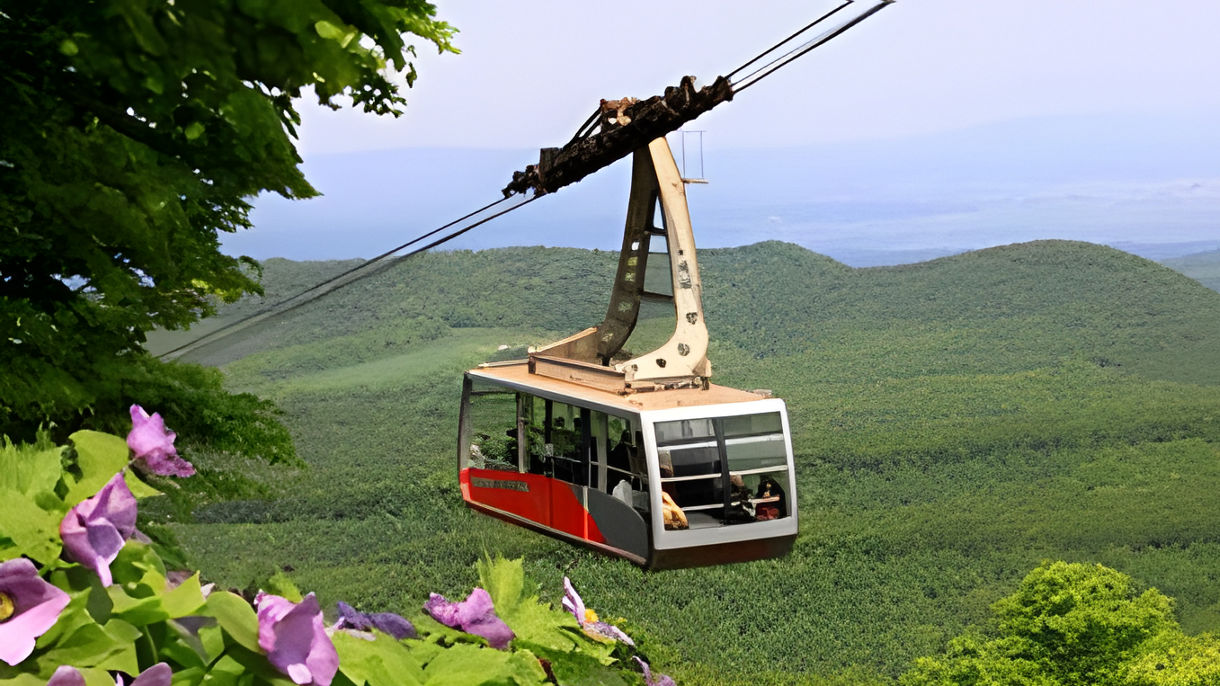
On clear days, you may catch views of Mount Iwaki - the iconic "Tsugaru Fuji" - along the way to Seibien.
Points of interest
Seiryuu-ji Temple (Grand Buddha)
Seibi-en (Japanese Garden)
Schedule
Special Notes
Part of walking at Sannai-Maruyama is on uneven, bare ground. Stairs are required to enter some buildings. Some part of Sannai-Maruyama might be covered due to the construction. Sannai Maruyama Ruin will be closed on every fourth Monday and 30 Dec-1 Jan.
Shoes must be removed when visiting the main hall at Seiryuji Temple.
The Great Buddha is located at the top of an uphill walk. This tour is not recommended for passengers with walking difficulties.
Some part of Seibi-en Garden is bare ground (uneven), and a few steps are required to be negotiated. Japanese yen are required for additional purchases.
This tour will not operate in winter time (usually from November until beginning of May) due to heavy snow in the area.
The tour order may vary.
Exceptional Value
Book shore excursions with confidence! We offer competitive pricing, friendly service and unmatched destination expertise.
Moderate Activity
Includes meal
Be sure to read the Special Notes further down this page for important requirements and restriction.
WHAT YOU VISIT
Seiryuji Temple
Built in 1982, the Buddhist temple sits in a lush and serene setting which houses the Showa Daibutsu, Japan's largest bronze seated Buddha statue. Constructed in bronze, it stands 27 meters tall (88 feet) including the base and weighs 220 tons. The five-story pagoda was built from natural Aomori cypress wood and the main hall was built entirely from cypress.
Seibi-en Japanese Garden
Covering an area of 9,360 square meters (100,800 square feet), the 125-year-old garden is a designated National Scenic Spot, offering an idyllic landscape of fountains, Japanese garden and rare architecture which mixed Japanese and Western. It's fragrant with weeping willows, junipers and pines, and you will discover an unusual two-story house that combines Japanese and Western architectural styles. Look for a special yew tree, trimmed in the shape of the god said to have created the earth and heaven.
Sannai Maruyama Archaeological Ruins
Designated as a Special National Historical Site of Japan and UNESCO World Heritage Site, Sannai Maruyama is one of Japan's largest historical sites consisting of remains of human settlement of the Jômon-period from approximately from around 13,000 to 300 B.C. Explore replicas of dwellings and other structures on the grounds and view artifacts.
Nebuta Warasse Museum
Dedicated to Aomori's famous 300-year-old Nebuta Matsuri festival, the museum houses the elaborate and meticulously crafted paper floats called nebuta that are paraded through the streets during the yearly Nebuta Festival the first week of August.
PHOTO OPPORTUNITIES
At Wa Rasse, award-winning Nebuta floats from past festivals are displayed each year, offering a perfect opportunity to take photos up close. At Seiryu-ji Temple, guests can photograph Japan's largest seated bronze statue, an impressive and unforgettable sight.
LUNCH
You will pause for lunch at a local hotel or restaurant.
SHOPPING
The gift shop at the Nebuta Warasse Museum offers colorful souvenirs and local food.
WHAT YOU SEE ALONG THE WAY
On clear days, you may catch views of Mount Iwaki - the iconic "Tsugaru Fuji" - along the way to Seibien.
Points of interest
Seiryuu-ji Temple (Grand Buddha)
Seibi-en (Japanese Garden)
Schedule
Special Notes
Part of walking at Sannai-Maruyama is on uneven, bare ground. Stairs are required to enter some buildings. Some part of Sannai-Maruyama might be covered due to the construction. Sannai Maruyama Ruin will be closed on every fourth Monday and 30 Dec-1 Jan.
Shoes must be removed when visiting the main hall at Seiryuji Temple.
The Great Buddha is located at the top of an uphill walk. This tour is not recommended for passengers with walking difficulties.
Some part of Seibi-en Garden is bare ground (uneven), and a few steps are required to be negotiated. Japanese yen are required for additional purchases.
This tour will not operate in winter time (usually from November until beginning of May) due to heavy snow in the area.
The tour order may vary.