Pompeii
Strenuous Activity
Shopping Opportunities
Be sure to read the Special Notes further down this page for important requirements and restriction.
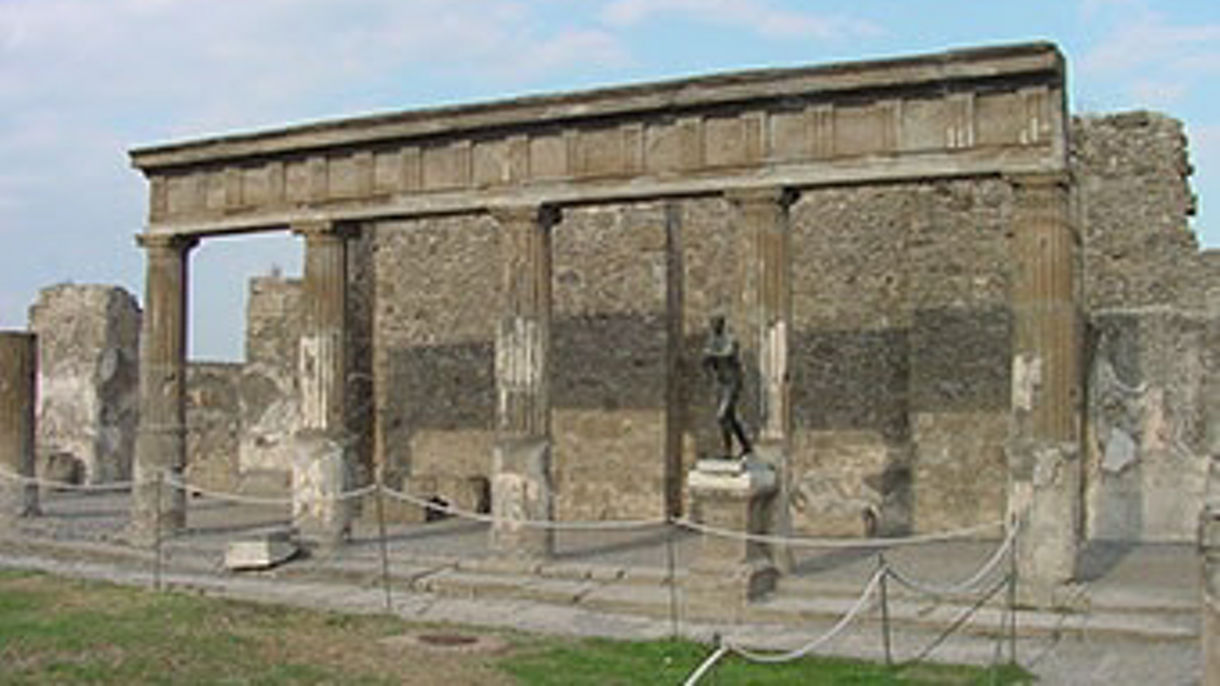
Your tour begins in Salerno with a 45-minute motorcoach ride to the Pompeii ruins. Pompeii is a UNESCO World Heritage Site. Here you'll discover the archeological excavations of a lost city buried deep beneath the ash when Mt. Vesuvius violently erupted in 79 AD. Explore the grounds on this one-hour-and-45-minute guided tour of the excavated city. Your knowledgeable guide will point out the remarkably preserved remains that hint at daily Roman life-their customs, buildings and cuisine; how they entertained, decorated and lived.
Known as a vacation community for high society, Pompeii had a forum, amphitheater, gymnasium, shops and an aqueduct that delivered water for irrigation, fountains and private baths. Some of the ruins are remarkably preserved with elaborately detailed mosaics and colorful frescoes decorating the interiors of wealthy homeowners' villas. A typical home in ancient Pompeii had a rather plain rectangular exterior with bare walls and few windows. Although once inside, you would see a formal entryway called an atrium that is open to the sky and lavishly decorated with mosaics, marbles, statues and paintings. There was frequently a basin in the center to catch rainwater. Framing the court were simple sleeping cubicles for members of the family. The central hub was a large study or reception room for the head of the household where books and valuables would be kept. Dining rooms and larger salons for family activities completed the rectangle.
There were no ordinary meals; each was an elaborate affair including several courses. Plates and cups made of earthenware, metal or glass were elaborately embellished. The dining room was the most highly decorated room of the house. As you walk the dining rooms, you can imagine guests reclining on large couches covered with pillows while servants brought platter after platter of food. More elaborate houses could have several courtyards with fish ponds or baths.
Pompeii had a lively commercial life. Most of the shops and storefronts along the Via dell' Abbondanza were open to the street, sometimes with serving windows or counters holding bins or built-in storage jars, and their business owners had living quarters behind or above their stores. While walking around the ruins, you'll need to watch your step as many roads in Pompeii are lined with sidewalks a foot or more above the street level.
The eruption of Vesuvius was a monumental natural disaster that killed thousands and entombed the city, yet preserved a moment in time more than 2,000 years ago, so that we may learn about the lives of the ancient Romans.
Stop at a cameo factory where artisans apply skills handed down for generations, intricately carving seashell or coral into beautiful jewelry-true works of art, and a beautiful keepsake souvenir.
Your tour concludes with a 45-minute drive back to Salerno where your ship is docked awaiting your return.
Points of interest
Pompeii
Schedule
Special Notes
Use of an audio headset (included) will enhance your tour experience.
For security reasons, it is forbidden to enter inside Pompeii excavations with big bags, backpacks or trolleys. Please be aware that, since lockers are not available, it is recommended to leave them inside the coach.
Exceptional Value
Book shore excursions with confidence! We offer competitive pricing, friendly service and unmatched destination expertise.
Strenuous Activity
Shopping Opportunities
Be sure to read the Special Notes further down this page for important requirements and restriction.
Your tour begins in Salerno with a 45-minute motorcoach ride to the Pompeii ruins. Pompeii is a UNESCO World Heritage Site. Here you'll discover the archeological excavations of a lost city buried deep beneath the ash when Mt. Vesuvius violently erupted in 79 AD. Explore the grounds on this one-hour-and-45-minute guided tour of the excavated city. Your knowledgeable guide will point out the remarkably preserved remains that hint at daily Roman life-their customs, buildings and cuisine; how they entertained, decorated and lived.
Known as a vacation community for high society, Pompeii had a forum, amphitheater, gymnasium, shops and an aqueduct that delivered water for irrigation, fountains and private baths. Some of the ruins are remarkably preserved with elaborately detailed mosaics and colorful frescoes decorating the interiors of wealthy homeowners' villas. A typical home in ancient Pompeii had a rather plain rectangular exterior with bare walls and few windows. Although once inside, you would see a formal entryway called an atrium that is open to the sky and lavishly decorated with mosaics, marbles, statues and paintings. There was frequently a basin in the center to catch rainwater. Framing the court were simple sleeping cubicles for members of the family. The central hub was a large study or reception room for the head of the household where books and valuables would be kept. Dining rooms and larger salons for family activities completed the rectangle.
There were no ordinary meals; each was an elaborate affair including several courses. Plates and cups made of earthenware, metal or glass were elaborately embellished. The dining room was the most highly decorated room of the house. As you walk the dining rooms, you can imagine guests reclining on large couches covered with pillows while servants brought platter after platter of food. More elaborate houses could have several courtyards with fish ponds or baths.
Pompeii had a lively commercial life. Most of the shops and storefronts along the Via dell' Abbondanza were open to the street, sometimes with serving windows or counters holding bins or built-in storage jars, and their business owners had living quarters behind or above their stores. While walking around the ruins, you'll need to watch your step as many roads in Pompeii are lined with sidewalks a foot or more above the street level.
The eruption of Vesuvius was a monumental natural disaster that killed thousands and entombed the city, yet preserved a moment in time more than 2,000 years ago, so that we may learn about the lives of the ancient Romans.
Stop at a cameo factory where artisans apply skills handed down for generations, intricately carving seashell or coral into beautiful jewelry-true works of art, and a beautiful keepsake souvenir.
Your tour concludes with a 45-minute drive back to Salerno where your ship is docked awaiting your return.
Points of interest
Pompeii
Schedule
Special Notes
Use of an audio headset (included) will enhance your tour experience.
For security reasons, it is forbidden to enter inside Pompeii excavations with big bags, backpacks or trolleys. Please be aware that, since lockers are not available, it is recommended to leave them inside the coach.